
Factors to Consider When Choosing Check Valves for Steam

Factors to Consider When Choosing Check Valves for Steam
Selecting the right check valve for steam applications is crucial for ensuring optimal performance, safety, and reliability within the steam system. Several important factors must be considered to make an informed decision:
1. Material Compatibility:
The material of the check valve must be compatible with the properties of steam and any other substances present in the steam system. Common materials used for check valves in steam applications include stainless steel, brass, bronze, and cast iron. Stainless steel is preferred for its corrosion resistance and durability, making it suitable for high-temperature steam environments.
2. Pressure Rating:
one way valve must be rated to withstand the maximum operating pressure of the steam system. The pressure rating of the valve should exceed the maximum pressure encountered during normal operation to prevent valve failure or leakage. It is essential to consider both the upstream and downstream pressures when selecting a check valve to ensure safe and reliable operation.
3. Temperature Range:
Steam systems operate at high temperatures, and check valves must be capable of withstanding these extreme conditions without degradation or failure. The valve material and design should be suitable for the temperature range of the steam system to prevent deformation, cracking, or other issues that could compromise performance.
4. Flow Characteristics:
Different non return valve designs offer varying flow characteristics, such as pressure drop, velocity, and turbulence. Understanding the flow requirements of the steam system is essential for selecting the appropriate check valve type. Factors to consider include the desired flow rate, pressure loss, and potential for water hammer or other flow-related issues.
5. Installation and Maintenance Requirements:
Consideration should be given to the installation and maintenance requirements of the check valve. Some valves may require specific orientation or mounting positions to function properly, while others may have maintenance requirements such as periodic inspection, cleaning, or lubrication. Selecting a valve that is easy to install and maintain can help minimize downtime and reduce operational costs over the valve's lifespan.
6. Compliance with Standards and Regulations:
Ensure that the selected check valve complies with relevant industry standards and regulations governing steam system components. Compliance with standards such as ASME, ASTM, and API ensures that the valve meets quality and performance requirements, enhancing safety and reliability.
7. Application-Specific Requirements:
Consider any unique requirements or challenges associated with the specific steam application. For example, in steam turbines, check valves may need to provide tight shut-off to prevent steam leakage during turbine shutdowns. In steam distribution systems, check valves may be required to handle high flow rates and varying operating conditions.
8. Consultation with Industry Experts:
When in doubt, consult with industry experts or valve manufacturers for guidance on selecting the appropriate check valve for specific steam system requirements. They can provide valuable insights, recommendations, and technical support to ensure the optimal performance and reliability of the steam system.
By carefully considering these factors and consulting with industry experts, engineers and operators can select the right check valve for their steam applications, ensuring safe, efficient, and reliable operation of steam systems in various industrial settings.
Advantages of High-Quality Check Valves for Steam
Investing in high-quality check valves for steam applications offers numerous advantages that contribute to the reliability, safety, and efficiency of steam systems. Here are some key benefits of opting for high-quality check valves:
1. Reliability:
High-quality one way valve are engineered and manufactured to meet stringent quality standards, ensuring reliable performance in demanding steam environments. These valves undergo rigorous testing to verify their functionality, tight sealing, and resistance to wear and tear. As a result, they provide consistent operation, minimizing the risk of valve failure, leakage, or malfunction during steam system operation.
2. Durability:
High-quality check valves are constructed from robust materials such as stainless steel, brass, or bronze, known for their durability and corrosion resistance. These materials withstand the harsh conditions present in steam systems, including high temperatures, pressure fluctuations, and corrosive steam environments. As a result, high-quality check valves exhibit exceptional longevity and durability, reducing the need for frequent replacements and maintenance.
3. Enhanced Performance:
High-quality check valves are designed with precision engineering and advanced technologies to optimize their performance in steam applications. These valves feature streamlined flow paths, low-friction components, and tight sealing mechanisms that minimize pressure drop, turbulence, and energy losses in the steam system. As a result, high-quality check valves contribute to improved system efficiency, reduced energy consumption, and enhanced overall performance.
4. Tight Sealing:
One of the critical functions of check valves in steam systems is to provide tight shut-off to prevent backflow and ensure the unidirectional flow of steam. High-quality check valves are designed with precision-machined sealing surfaces and resilient sealing elements that provide a tight seal under varying operating conditions. This prevents steam leakage, minimizes energy losses, and maintains system integrity, enhancing safety and efficiency.
5. Minimal Maintenance Requirements:
High-quality check valves are engineered for reliability and durability, requiring minimal maintenance over their operational lifespan. These valves are designed to withstand prolonged use without degradation or performance issues, reducing the need for frequent inspections, repairs, or replacements. As a result, operators can benefit from reduced downtime, lower maintenance costs, and enhanced system reliability.
6. Compliance with Standards and Regulations:
High-quality check valves are manufactured in compliance with industry standards and regulations governing steam system components. These valves undergo rigorous testing and quality assurance processes to ensure they meet or exceed performance requirements, safety standards, and regulatory guidelines. Investing in high-quality check valves provides assurance that the valves will perform reliably and safely in compliance with applicable standards.
7. Peace of Mind:
By investing in high-quality check valves for steam applications, operators can have peace of mind knowing that their steam systems are equipped with reliable, durable, and high-performance components. High-quality check valves provide confidence in the integrity and reliability of the steam system, minimizing the risk of operational disruptions, equipment damage, or safety hazards. This peace of mind allows operators to focus on other aspects of system operation, knowing that the check valves will perform reliably under all conditions.
In summary, investing in high-quality check valves for steam applications offers a range of benefits, including reliability, durability, enhanced performance, tight sealing, minimal maintenance requirements, compliance with standards, and peace of mind. These advantages contribute to the overall efficiency, safety, and reliability of steam systems, making high-quality check valves a valuable investment for industrial operators.
 How Does a Ball Type Check Valve Prevent Pipeline Medium Backflow?
  Selection and Precautions for Natural Gas Valves
  Athena Engineering S.R.L Wraps‑up OGA 2026 Kuala Lumpur
  What is a Gate Valve? What is Its Working Principle?
  T-Type / T-Pattern / Straight Pattern Globe Valve
  Knife Gate Valve vs Wedge Gate Valve: Which Is Better for Your Industrial Piping?
  Cryogenic Ball Valve Comprehensive Product Overview
  Causes and Treatments for Poor Valve Shut‑Off
  Athena Triple Offset Butterfly Valves
  What is the Difference Between Swing Check Valve and NRV? A Complete Explanation
  Common Connection Types of Valves
  5 Piping Design Mistakes That Are Killing Your Valves
  Float Valve: Structure, Principle and Application
  High Pressure Needle Valve High-Precision Fluid Control Valve
  What is a Piston Check Valve?
  Meet Us at OGA 2026 | Booth 6802, Hall 6
  What is a Level Gauge? Working Principles, Types and Industrial Applications
 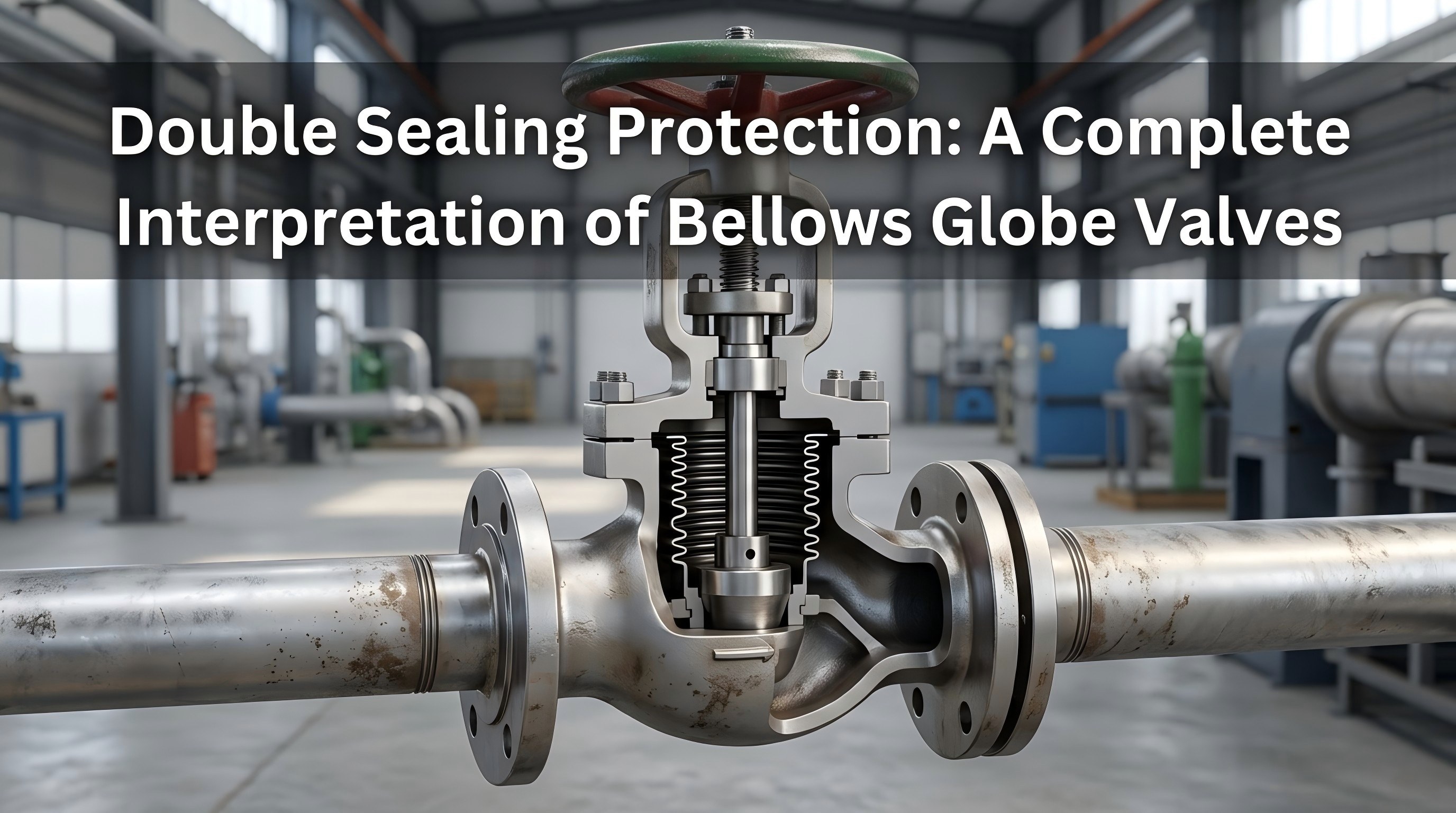 Double Sealing Protection: A Complete Interpretation of Bellows Globe Valves
  End-Suction Pump vs Inline Pumps: Which One Is Right for You?
  Method of Selecting Valve Types Based on Throttling Degree