
Electric Butterfly Valves: The Smart Solution for Efficient Fluid Control
1. What is the Electric Butterfly Valve?
An electric butterfly valve is a highly efficient fluid control device driven by an electric actuator, designed to regulate or completely shut off the flow of media within pipelines. Its core components include the valve body, disc, stem, and electric actuator. The disc rotates to control the flow, allowing for precise regulation or complete isolation of the medium. Known for its simple structure, ease of operation, and excellent sealing performance, the electric butterfly valve has become a cornerstone in modern industrial automation systems. Its versatility and reliability make it a preferred choice across various industries, from water treatment to petrochemical processing.
2. Design of the Electric Butterfly Valve
The design of electric butterfly valves prioritizes efficiency, durability, and ease of maintenance. Below are the key design features that set them apart:
Compact Structure: Electric butterfly valves are designed to occupy minimal space, making them ideal for installation in pipeline systems where space is limited. Their compact design ensures seamless integration into existing infrastructure without compromising performance.
Lightweight Construction: Compared to other valve types, electric butterfly valves are significantly lighter, simplifying transportation, installation, and handling. This feature is particularly beneficial in large-scale industrial applications.
Modular Design: The electric actuator and valve body are designed as modular units, allowing for easy disassembly, maintenance, and replacement. This modularity also supports compatibility with various control signals, such as 4-20mA and 0-10V, enhancing their adaptability to different control systems.
Corrosion-Resistant Materials: The valve body and disc are typically constructed from high-quality materials such as stainless steel, carbon steel, or specialized alloys. These materials ensure the valve can withstand harsh environments, including exposure to corrosive media, high temperatures, and high pressures.

Athena Electric Butterfly Valve Drawing
3. Characteristics of Electric Butterfly Valve
Electric butterfly valves are distinguished by several notable characteristics that make them highly effective in fluid control applications:
Superior Sealing Performance: Equipped with soft or metal sealing structures, electric butterfly valves provide zero leakage when closed, meeting stringent industrial standards for safety and efficiency.
Rapid Response: The electric actuator enables quick opening and closing of the valve, making it suitable for applications that require frequent operation or emergency shut-off.
Low Torque Operation: The optimized disc design reduces operating torque, minimizing energy consumption and extending the lifespan of both the valve and the actuator.
Versatile Control Modes: Electric butterfly valves support multiple control modes, including on/off, regulating, and intelligent control, allowing them to adapt to a wide range of operational requirements.
4. Functions and Applications of Electric Butterfly Valve
Electric butterfly valves are highly versatile, offering functions such as flow regulation, media shut-off, and system protection. Their applications span a broad spectrum of industries, including:
Water Treatment: Used in water treatment plants and sewage facilities to control flow and isolate media, ensuring efficient and reliable operation.
Petrochemical Industry: Ideal for handling high-pressure and high-temperature environments involving oil, natural gas, and chemical media.
Power Generation: Utilized in critical systems such as boiler feed water and cooling water circuits, ensuring reliable performance in power plants.
5. Advantages over other valves
Electric butterfly valves offer numerous advantages over traditional valves, making them a superior choice for modern industrial applications:
Energy Efficiency: The low torque design and optimized flow path reduce energy loss, enhancing overall system efficiency and lowering operational costs.
Ease of Operation: With support for remote and automated control, electric butterfly valves minimize the need for manual intervention, reducing labor costs and improving operational efficiency.
Low Maintenance Requirements: The modular design and durable materials reduce the frequency and cost of maintenance, ensuring long-term reliability.
Wide Adaptability: Capable of handling various media, temperatures, and pressure conditions, electric butterfly valves are suitable for a diverse range of applications.
Long Service Life: High-quality materials and precision engineering ensure a long operational lifespan, providing excellent return on investment.
6. Advantages Over Manual Butterfly Valves
Electric butterfly valves significantly outperform manual butterfly valves in several key areas:
Automation Capabilities: Electric butterfly valves can be integrated into automated systems, enabling remote control and seamless operation. In contrast, manual butterfly valves require physical intervention, making them less efficient and unsuitable for large-scale automation.
Faster Operation: The electric actuator allows for rapid opening and closing, making electric butterfly valves ideal for applications requiring quick responses, such as emergency shut-offs or frequent adjustments.
Precision Control: Electric butterfly valves can achieve precise flow regulation through control signals, whereas manual valves rely on operator skill, often resulting in less accurate control.
Reduced Labor Costs: Automation reduces the need for manual operation, lowering labor costs and minimizing human error. Manual valves, on the other hand, require dedicated personnel for operation and maintenance.
Adaptability to Harsh Environments: Electric butterfly valves are designed to operate reliably in challenging conditions, including high temperatures, high pressures, and corrosive media. Manual valves are often difficult to operate in such environments and may pose safety risks.
Data Monitoring and Feedback: Electric butterfly valves can be equipped with sensors and integrated into control systems to provide real-time monitoring and feedback. Manual valves lack this capability, limiting their functionality in modern industrial systems.
7. Conclusion
Electric butterfly valves represent a smart, efficient, and reliable solution for fluid control in a wide range of industrial applications. Their compact design, superior sealing performance, and flexible control modes make them indispensable in modern automation systems. Whether in the field of water treatment or petrochemical processing, electric butterfly valves deliver exceptional performance and long-lasting reliability.
Moreover, their advantages over manual butterfly valves—such as automation capabilities, faster operation, precision control, reduced labor costs, and adaptability to harsh environments—make them the preferred choice for industries seeking to optimize efficiency and reduce operational costs. By integrating advanced technology and robust engineering, electric butterfly valves provide a future-proof solution for fluid control challenges, ensuring seamless operation and enhanced productivity in diverse industrial settings.
As an excellent valve manufacturer in Italy, ATHENA has a wide range of valve products. Electric butterfly valve is one of our best-selling products, recognized by customers all over the world for its precise automation advantages.
Supported by an experienced technical team, ATHENA can provide customized electric butterfly valve solutions tailored to your specific pipeline requirements.
If you are interested in electric butterfly valves or have specific needs, feel free to contact us. Our team is here to assist you with professional advice and solutions to support your projects.
 What is Bi-Directional Valves?
  How Does a Ball Type Check Valve Prevent Pipeline Medium Backflow?
  Selection and Precautions for Natural Gas Valves
  Athena Engineering S.R.L Wraps‑up OGA 2026 Kuala Lumpur
  What is a Gate Valve? What is Its Working Principle?
  T-Type / T-Pattern / Straight Pattern Globe Valve
  Knife Gate Valve vs Wedge Gate Valve: Which Is Better for Your Industrial Piping?
  Cryogenic Ball Valve Comprehensive Product Overview
  Causes and Treatments for Poor Valve Shut‑Off
  Athena Triple Offset Butterfly Valves
  What is the Difference Between Swing Check Valve and NRV? A Complete Explanation
  Common Connection Types of Valves
  5 Piping Design Mistakes That Are Killing Your Valves
  Float Valve: Structure, Principle and Application
  High Pressure Needle Valve High-Precision Fluid Control Valve
  What is a Piston Check Valve?
  Meet Us at OGA 2026 | Booth 6802, Hall 6
  What is a Level Gauge? Working Principles, Types and Industrial Applications
 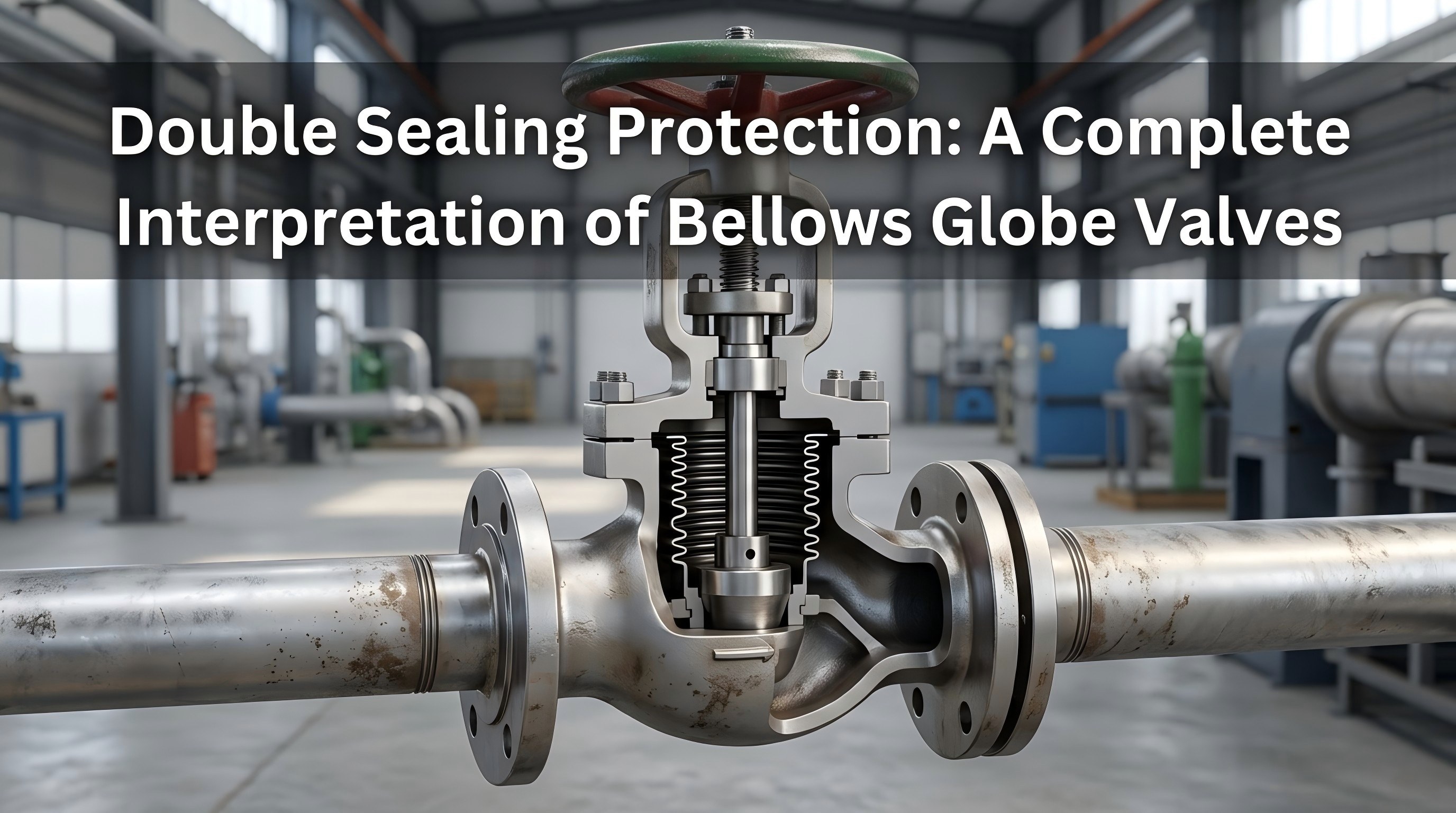 Double Sealing Protection: A Complete Interpretation of Bellows Globe Valves
  End-Suction Pump vs Inline Pumps: Which One Is Right for You?