
How Does Diaphragm Check Valve Works?
2025-02-18
Introduction to Diaphragm Check Valves
A diaphragm check valve is an essential component in many fluid control systems, playing a critical role in regulating flow and preventing backflow. At its core, the diaphragm check valve is designed to allow fluid to flow in one direction while preventing reverse flow that could disrupt operations, cause contamination, or damage sensitive equipment.
In various industries—from water treatment to pharmaceutical manufacturing—diaphragm check valves ensure the safety and efficiency of systems by maintaining one-way fluid flow. Their ability to provide tight seals, even under challenging conditions, makes them indispensable for maintaining system integrity, preventing backflow, and optimizing industrial processes.
How Does a Diaphragm Check Valve Work? (Primary Keyword Focus)
Understanding the function of a diaphragm check valve begins with knowing its core components and how they work together. Let’s break down the process in detail.

Core Components of a Diaphragm Check Valve
The diaphragm check valve consists of several key components that contribute to its function:
Diaphragm: This is the most critical component. The diaphragm is a flexible, often rubber-like membrane that responds to changes in fluid pressure. Depending on the direction of the flow, the diaphragm opens or closes, ensuring one-way flow and preventing backflow.
Valve Body: This is the main casing that houses the diaphragm and other internal components. It is typically made from robust materials such as stainless steel, ensuring durability and resistance to corrosion.
Seat: The valve seat is the surface against which the diaphragm seals when backflow is detected. It’s typically made of a hard, wear-resistant material to ensure that the seal remains intact under pressure.
Cover: The cover holds everything together and protects the internal components from external damage. It also assists in directing the flow of fluid through the valve.
Imagine the diaphragm as a one-way gate for fluids. When pressure builds from the flow direction, it opens. If the fluid tries to flow backward, the diaphragm closes, creating a tight seal.
Step-by-Step Working Principle
Forward Flow: When fluid flows in the correct direction (from inlet to outlet), it exerts pressure on the diaphragm. This pressure causes the diaphragm to lift and open the valve seat, allowing fluid to pass through.
Reverse Flow: If the flow reverses, the fluid pushes against the diaphragm, causing it to close against the valve seat. This prevents the fluid from flowing backward, ensuring that contaminants or pressure fluctuations don't damage the system.
When compared to other check valves like ball check valves or swing check valves, diaphragm check valves offer unique advantages. For instance, while ball and swing check valves rely on moving parts (balls or discs), diaphragm check valves use a flexible membrane to provide a tighter, more efficient seal.
Key Applications of Diaphragm Check Valves
Diaphragm check valves are incredibly versatile and used across various industries. Below are some of the most common applications.
Industrial Uses
Water Treatment: Diaphragm check valves are crucial in water treatment systems where preventing backflow is critical to maintaining clean water supplies. These valves are resistant to corrosion and can handle a variety of fluid types, including those that are chemically aggressive.
Chemical Processing: In chemical processing plants, diaphragm check valves are used to maintain the integrity of the system by preventing unwanted backflow of reactive substances. The diaphragm’s flexibility and the materials used (e.g., PTFE) allow these valves to operate in harsh environments.
Pharmaceuticals: In pharmaceutical manufacturing, hygiene is paramount. Diaphragm check valves are used in sterile systems, where backflow could contaminate drugs or interfere with the production process. Their ability to be easily cleaned and their minimal leakage properties make them ideal for these applications.
Everyday Applications
HVAC Systems: Diaphragm check valves are often used in heating, ventilation, and air conditioning (HVAC) systems to regulate fluid flow and prevent backflow that could damage pumps or reduce system efficiency.
Medical Devices: In medical applications, particularly in infusion systems or medical gas lines, diaphragm check valves ensure that fluids or gases flow in the correct direction, maintaining safety and efficacy.
Food and Beverage Production: Diaphragm check valves are widely used in food and beverage production lines to ensure that fluids flow in the correct direction without contamination. Their hygienic design is essential for meeting the strict regulations in this industry.
Advantages of Diaphragm Check Valves Over Alternatives
Compared to other check valves, diaphragm check valves offer several key benefits:
Leak Prevention and Durability
The flexible diaphragm creates a highly reliable and tight seal, ensuring that even under low pressure or minimal flow, the valve will still effectively prevent reverse flow. The materials used for diaphragms, such as PTFE, EPDM, and FKM, offer exceptional chemical and thermal resistance, making these valves suitable for a wide range of challenging environments, including those involving aggressive chemicals or high temperatures.
Low Maintenance and Cost-Effectiveness
Since diaphragm check valves do not contain mechanical parts like springs or discs, they experience minimal wear and require less maintenance than traditional valves. This translates to longer operational lifespans and lower maintenance costs. Over time, diaphragm check valves can lead to significant cost savings, as the need for repairs and replacements is greatly reduced.
Installation and Maintenance Best Practices
Proper installation and regular maintenance are key to ensuring the longevity and efficiency of diaphragm check valves.
Proper Installation Guidelines
Orientation: Diaphragm check valves should typically be installed in the vertical position, although some models can be installed horizontally, depending on the application.
Pressure Alignment: The valve should be oriented so that it aligns with the pressure direction, ensuring that the diaphragm opens and closes as intended.
Debris Prevention: Ensure that no debris enters the valve during installation, as foreign objects can impair the diaphragm’s movement and cause leaks.
Consult industry standards like ASME or ISO for specific installation guidelines to ensure compliance with local regulations and best practices.
Troubleshooting Common Issues
Diaphragm Wear: Over time, diaphragms may degrade due to exposure to harsh chemicals, extreme temperatures, or constant pressure cycling. Regular inspections and replacing worn diaphragms can prevent valve failure.
Blockages: Blockages in the valve can prevent the diaphragm from moving correctly, causing improper sealing. Routine cleaning and checks for debris are essential.
Pressure Drops: Significant pressure drops can indicate a malfunction. This may be due to a faulty diaphragm or buildup inside the valve. Troubleshooting these issues promptly can help prevent system downtime.
How to Choose the Right Diaphragm Check Valve
Selecting the right diaphragm check valve depends on several factors.
Critical Selection Criteria
Fluid Type: Ensure that the diaphragm material is compatible with the fluid you're controlling. For example, EPDM is ideal for water, while FKM may be necessary for oils or fuels.
Temperature and Pressure Range: Select a diaphragm check valve that can withstand the temperature and pressure conditions of your system.
Compliance Requirements: In industries like pharmaceuticals or food production, ensure that the valve meets regulatory standards (e.g., FDA-approved materials for food contact).
Case Study: Success Stories
One example comes from a chemical processing plant that experienced significant downtime due to failed swing check valves. After switching to diaphragm check valves, the plant reported a 30% reduction in downtime thanks to the valves’ superior leak prevention and durability in harsh chemical environments.
FAQs About Diaphragm Check Valves
"Can diaphragm valves handle abrasive fluids?"
Yes, diaphragm valves can handle abrasive fluids, especially when they are equipped with thicker diaphragms made from durable materials like PTFE or FKM, which offer resistance to wear from particulate matter.
"How often should I replace the diaphragm?"
The lifespan of a diaphragm depends on factors like fluid type, temperature, and usage intensity. Generally, diaphragms in non-abrasive applications can last between 3 to 5 years, but more frequent inspections are recommended to monitor wear.
Future Trends in Diaphragm Check Valve Technology
As industries evolve, so does diaphragm check valve technology. Smart valves with IoT sensors are on the horizon, offering real-time performance data and predictive maintenance capabilities. Additionally, the industry is moving toward eco-friendly materials and energy-efficient designs, further optimizing the performance and sustainability of diaphragm check valves.
Conclusion
In conclusion, diaphragm check valves play a crucial role in fluid control systems, offering efficient, reliable, and low-maintenance solutions for various industries. From preventing backflow to ensuring hygiene and safety, they are indispensable in numerous applications, from water treatment to pharmaceuticals.
When choosing a diaphragm check valve, consider your fluid’s characteristics, the system’s pressure and temperature requirements, and industry certifications. Consulting with experts can help ensure that you select the best valve for your specific needs.
If you’re looking for high-quality diaphragm check valves, consider reaching out to Athena Engineering, a trusted supplier offering innovative valve solutions for a wide range of industries. With a commitment to quality and customer satisfaction, Athena Engineering can help you optimize your fluid control systems. Contact Athena Engineering today to find the perfect diaphragm check valve for your needs!
 How Does a Ball Type Check Valve Prevent Pipeline Medium Backflow?
  Selection and Precautions for Natural Gas Valves
  Athena Engineering S.R.L Wraps‑up OGA 2026 Kuala Lumpur
  What is a Gate Valve? What is Its Working Principle?
  T-Type / T-Pattern / Straight Pattern Globe Valve
  Knife Gate Valve vs Wedge Gate Valve: Which Is Better for Your Industrial Piping?
  Cryogenic Ball Valve Comprehensive Product Overview
  Causes and Treatments for Poor Valve Shut‑Off
  Athena Triple Offset Butterfly Valves
  What is the Difference Between Swing Check Valve and NRV? A Complete Explanation
  Common Connection Types of Valves
  5 Piping Design Mistakes That Are Killing Your Valves
  Float Valve: Structure, Principle and Application
  High Pressure Needle Valve High-Precision Fluid Control Valve
  What is a Piston Check Valve?
  Meet Us at OGA 2026 | Booth 6802, Hall 6
  What is a Level Gauge? Working Principles, Types and Industrial Applications
 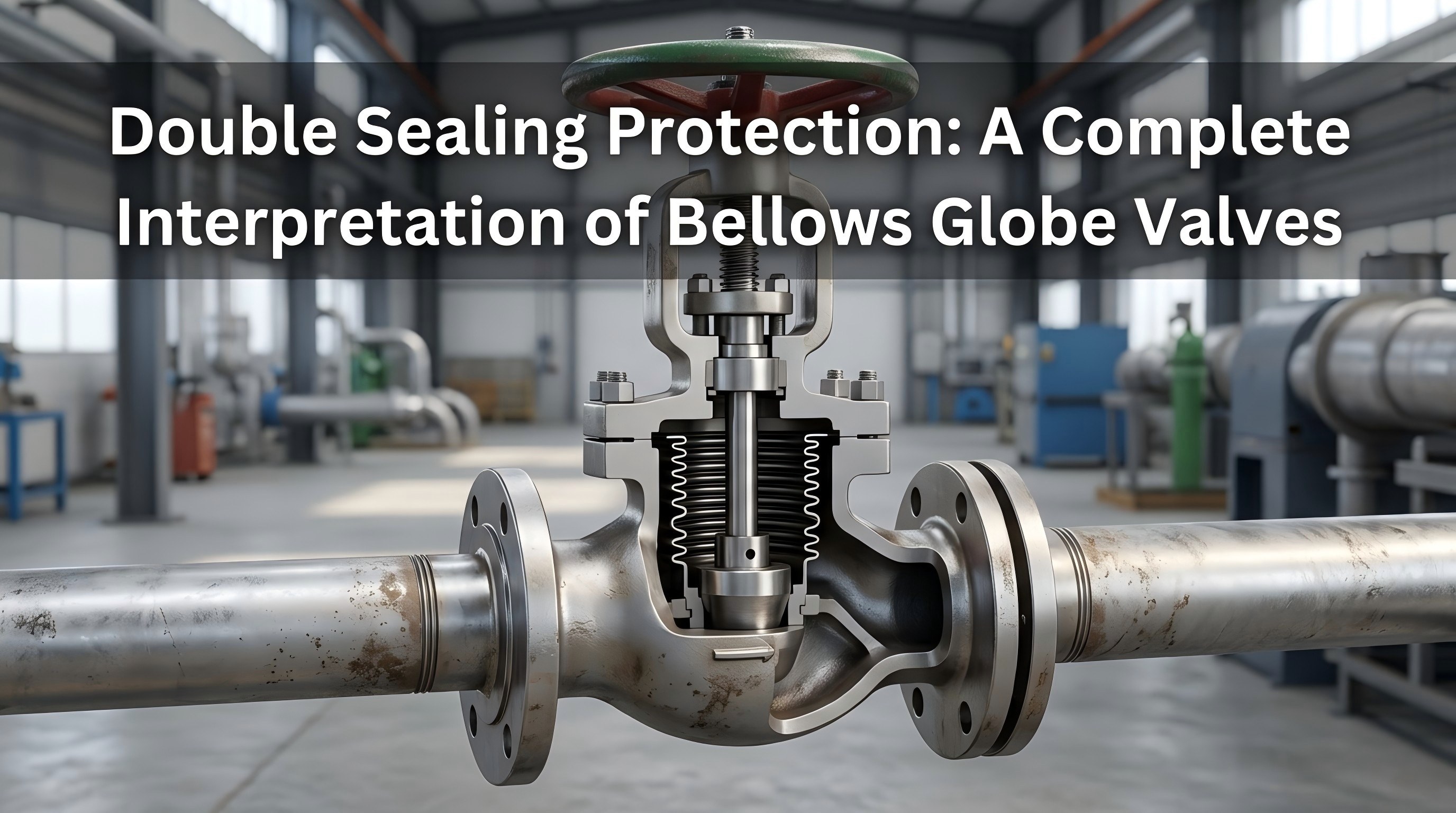 Double Sealing Protection: A Complete Interpretation of Bellows Globe Valves
  End-Suction Pump vs Inline Pumps: Which One Is Right for You?
  Method of Selecting Valve Types Based on Throttling Degree