
Check Valve vs Ball Valve: Which One Saves Your Money & Avoids Costly Piping Safety Hazards?
author: ATHENA GROUP
2026-03-16
As a purchaser, selecting the wrong valves for a piping system is a serious mistake, harboring significant risks such as leaks, equipment damage, and unplanned downtime.
Check valves and ball valves are two of the most commonly used valve types, but many purchasers confuse them, wasting their budget on unsuitable products.
This article clearly tells you which valve, check valve or ball valve, is suitable for your project, ensuring worry-free procurement and avoiding pitfalls.
Check valves and ball valves are two of the most commonly used valve types, but many purchasers confuse them, wasting their budget on unsuitable products.
This article clearly tells you which valve, check valve or ball valve, is suitable for your project, ensuring worry-free procurement and avoiding pitfalls.
Don't waste your money: Understand the core differences between ball valves and check valves.
What's the most common mistake buyers make? Treating check valves and ball valves as interchangeable products. However, they are designed for very different purposes, and choosing the wrong one will only cost you more.
Check valves require no manual operation, operate automatically, prevent fluid backflow, and protect pumps and pipelines from costly damage (such as pump failure or pipeline leaks), which can cost thousands of dollars to repair.
Ball valves, on the other hand, are your "control center." They can be operated manually, pneumatically, or electrically, and open and close with a simple 90-degree rotation. They are particularly suitable for applications requiring rapid shut-off or precise flow control, such as high-pressure industrial environments and the food processing industry. Even a tiny leak can lead to product failure or safety hazards. Ball valves offer superior sealing performance, reducing maintenance frequency and extending service life, resulting in significant cost savings in the long run.
Buy Smart: Which Valve Is Right for Your Project?
Still unsure which one to choose? Keep it simple, focus on your core needs:
If you need to prevent back flow (e.g., water supply, fire protection, pump outlets), go with a check valve. It's low-maintenance, easy to install, and eliminates the risk of reverse flow damage. No extra operation. just set it and forget it, saving you time and labor costs.
If you need to prevent back flow (e.g., water supply, fire protection, pump outlets), go with a check valve. It's low-maintenance, easy to install, and eliminates the risk of reverse flow damage. No extra operation. just set it and forget it, saving you time and labor costs.
If you need precise control or quick shutoff (e.g., petroleum, chemical, large-diameter pipelines), a ball valve is your best bet. Its durable design handles harsh conditions, its tight seal prevents leaks, and its fast operation minimizes downtime, critical for keeping your project on track and avoiding losses.
Ultimate Buying Advice: Choose Value, Not Price
Ultimately, check valves and ball valves are not "one-size-fits-all" products, but rather tools that need to be tailored to the specific needs of a project. Choosing cheap and incompatible valves will only lead to higher maintenance costs later.
Check valves help prevent back flow risks, while ball valves provide flow control and durability. Choosing the right valve, whether it's a check valve for preventing back flow or a ball valve for precise flow control, not only avoids costly mistakes but also maximizes the value of your investment.
Smart purchasing—selecting the appropriate check valve or ball valve based on your needs—is the most cost-effective approach.
Check valves help prevent back flow risks, while ball valves provide flow control and durability. Choosing the right valve, whether it's a check valve for preventing back flow or a ball valve for precise flow control, not only avoids costly mistakes but also maximizes the value of your investment.
Smart purchasing—selecting the appropriate check valve or ball valve based on your needs—is the most cost-effective approach.


 How Does a Ball Type Check Valve Prevent Pipeline Medium Backflow?
  Selection and Precautions for Natural Gas Valves
  Athena Engineering S.R.L Wraps‑up OGA 2026 Kuala Lumpur
  What is a Gate Valve? What is Its Working Principle?
  T-Type / T-Pattern / Straight Pattern Globe Valve
  Knife Gate Valve vs Wedge Gate Valve: Which Is Better for Your Industrial Piping?
  Cryogenic Ball Valve Comprehensive Product Overview
  Causes and Treatments for Poor Valve Shut‑Off
  Athena Triple Offset Butterfly Valves
  What is the Difference Between Swing Check Valve and NRV? A Complete Explanation
  Common Connection Types of Valves
  5 Piping Design Mistakes That Are Killing Your Valves
  Float Valve: Structure, Principle and Application
  High Pressure Needle Valve High-Precision Fluid Control Valve
  What is a Piston Check Valve?
  Meet Us at OGA 2026 | Booth 6802, Hall 6
  What is a Level Gauge? Working Principles, Types and Industrial Applications
 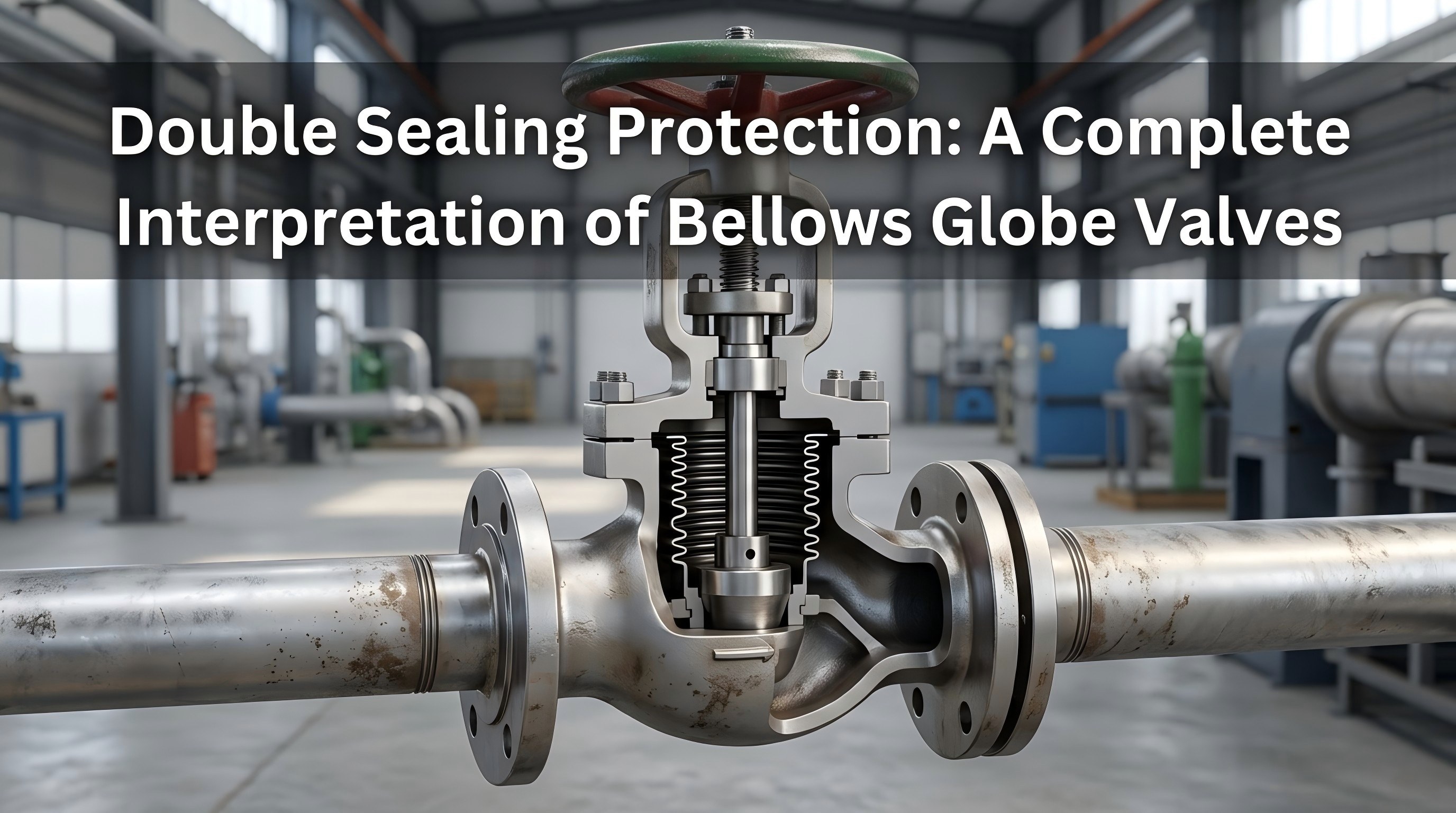 Double Sealing Protection: A Complete Interpretation of Bellows Globe Valves
  End-Suction Pump vs Inline Pumps: Which One Is Right for You?
  Method of Selecting Valve Types Based on Throttling Degree