
Protect Your Operations with Athena Engineering's Fire Safe Ball Valves
Introduction to Fire Safe Ball Valves
Fire safety is a paramount concern in various industries, particularly those dealing with hazardous materials and high-temperature processes. A fire safe ball valve is an essential component designed to maintain its integrity and functionality during a fire, preventing catastrophic failures and ensuring safety. This article delves into the significance of fire safe ball valves, their design and functionality, applications, and why Athena Engineering is the best choice for these critical components.
Fire safe ball valves are specifically engineered to resist high temperatures and maintain a tight seal even when exposed to fire. This capability is crucial in industries like oil and gas, chemical processing, and power generation, where the risk of fire is a constant concern. The evolution of fire safety standards in valve design has been driven by the need to prevent industrial disasters, with significant incidents highlighting the importance of robust fire safe ball valves.

Design and Functionality of Fire Safe Ball Valves
Technical Specifications of Fire Safe Ball Valves
A fire safe ball valve is typically constructed from materials that can withstand extreme heat. The body of the valve is usually made of high-grade steel, while the seats and seals are composed of materials like graphite that can endure high temperatures without degrading. Key design features include secondary metal seats that provide a backup seal in case the primary seat is compromised, and anti-static devices that prevent sparking within the valve.
Standards and Certifications of Fire Safe Ball Valves
Fire safe ball valves must meet stringent international standards to be deemed reliable. Notable standards include API 607 and ISO 10497, which outline the performance requirements and testing procedures for fire safety. Certification processes ensure that these valves have been rigorously tested under realistic fire conditions, verifying their ability to maintain a seal and prevent leakage during a fire.
Testing Procedures of Fire Safe Ball Valves
The fire testing of ball valves involves exposing them to direct flames at high temperatures, typically around 1,400 to 1,800 degrees Fahrenheit, for a specified duration. The valve must maintain its structural integrity and continue to function without significant leakage. Performance metrics include the ability to operate after exposure to fire and the effectiveness of the secondary sealing mechanism.
Applications and Benefits of Fire Safe Ball Valves
Industry Applications
Fire safe ball valves are vital in various industries where fire hazards are prevalent. In the oil and gas industry, these valves are used in pipelines, refineries, and offshore platforms to ensure the safe transport and processing of flammable materials. In chemical processing plants, fire safe ball valves prevent leaks of hazardous chemicals in case of a fire. Power generation facilities also rely on these valves to control the flow of combustible gases and fluids.
Advantages of Fire Safe Ball Valves
The primary benefit of fire safe ball valves is enhanced safety. By maintaining a seal during a fire, these valves prevent the spread of flames and the release of flammable substances. This reliability reduces the risk of catastrophic failures and ensures compliance with safety regulations. Additionally, fire safe ball valves offer long-term durability and performance, making them a cost-effective solution for high-risk applications.
Product Recommendation by Athena Engineering
Company Overview
Athena Engineering, a leading supplier of valves, has established a reputation for excellence in the manufacturing of fire safe ball valves. With years of experience and a commitment to quality, Athena Engineering has become a trusted partner for industries requiring reliable and robust valve solutions.
Product Portfolio
Athena Engineering offers a comprehensive range of fire safe ball valves designed to meet the highest safety standards. Our products include:
Standard Fire Safe Ball Valves: Featuring primary and secondary sealing mechanisms, these valves are ideal for general industrial applications.
High-Temperature Fire Safe Ball Valves: Engineered to withstand extreme temperatures, suitable for applications in the oil and gas industry.
Chemical-Resistant Fire Safe Ball Valves: Designed for use in chemical processing plants, these valves offer superior resistance to corrosive substances.
Each product is meticulously tested and certified to ensure maximum reliability and safety.
Customer Testimonials and Case Studies
Our fire safe ball valves have been deployed in numerous high-profile projects, earning praise for their performance and durability. For instance, a major oil refinery in Asia implemented Athena’s fire safe ball valves in its pipeline network, significantly enhancing its fire safety measures. The refinery reported a marked improvement in operational safety and compliance with international standards.
Why Choose Athena Engineering?
Athena Engineering stands out due to our commitment to innovation, quality, and customer service. Our fire safe ball valves are designed with the latest technological advancements, ensuring superior performance and reliability. We prioritize customer satisfaction by offering tailored solutions, prompt support, and comprehensive after-sales service. Choosing Athena Engineering means investing in safety, quality, and peace of mind.
Installation, Maintenance, and Best Practices
Installation Guidelines
Proper installation of fire safe ball valves is crucial to ensure their effectiveness. Key installation guidelines include:
Ensuring the valve is properly aligned with the pipeline to prevent stress and misalignment.
Using the correct gaskets and seals to avoid leaks.
Following the manufacturer’s instructions for torque settings and bolt tightening sequences.
Avoiding common pitfalls, such as over-tightening bolts or using incompatible materials, is essential to maintain the valve’s integrity.
Maintenance Tips
Regular maintenance is vital to ensure the continued performance of fire safe ball valves. Recommended maintenance practices include:
Conducting periodic inspections to check for signs of wear or damage.
Lubricating moving parts to prevent corrosion and ensure smooth operation.
Testing the valve’s sealing capabilities under controlled conditions to verify its performance.
Establishing a maintenance schedule based on the valve’s usage and environmental conditions helps in early detection of potential issues.
Best Practices
Training personnel on the proper use and maintenance of fire safe ball valves is crucial. This includes educating staff on emergency response procedures in case of a fire. Additionally, integrating fire safe ball valves into the overall safety strategy of the facility enhances preparedness and response capabilities.
Future Trends and Innovations
Advancements in Materials and Design
The field of fire safe ball valves is continually evolving, with advancements in materials and design leading to even more robust and reliable products. New materials, such as advanced alloys and composites, offer enhanced fire resistance and durability. Innovative design features, like self-actuating seals and automated shut-off mechanisms, further improve the safety and functionality of these valves.
Regulatory Changes
As fire safety standards continue to evolve, regulatory changes will impact the design and usage of fire safe ball valves. Upcoming standards may introduce stricter performance requirements and testing protocols, driving manufacturers to develop even more reliable solutions. Staying abreast of these changes ensures that industries remain compliant and safe.
Technological Integration
The integration of digital monitoring systems and the Internet of Things (IoT) is revolutionizing the valve industry. Smart fire safe ball valves equipped with sensors can provide real-time data on their status and performance. This technology enables predictive maintenance, reducing the risk of failures and enhancing overall safety.
Conclusion
Fire safe ball valves are indispensable in ensuring safety and reliability in high-risk industrial environments. With their robust design, adherence to stringent standards, and ability to withstand extreme conditions, these valves play a crucial role in preventing catastrophic failures and ensuring compliance with safety regulations.
Athena Engineering, with its extensive experience and commitment to quality, offers a range of fire safe ball valves that meet the highest standards of performance and safety. By choosing Athena Engineering, industries can trust that they are investing in the best protection for their operations. For more information on our products and to discuss your specific needs, contact Athena Engineering today.
 How Does a Ball Type Check Valve Prevent Pipeline Medium Backflow?
  Selection and Precautions for Natural Gas Valves
  Athena Engineering S.R.L Wraps‑up OGA 2026 Kuala Lumpur
  What is a Gate Valve? What is Its Working Principle?
  T-Type / T-Pattern / Straight Pattern Globe Valve
  Knife Gate Valve vs Wedge Gate Valve: Which Is Better for Your Industrial Piping?
  Cryogenic Ball Valve Comprehensive Product Overview
  Causes and Treatments for Poor Valve Shut‑Off
  Athena Triple Offset Butterfly Valves
  What is the Difference Between Swing Check Valve and NRV? A Complete Explanation
  Common Connection Types of Valves
  5 Piping Design Mistakes That Are Killing Your Valves
  Float Valve: Structure, Principle and Application
  High Pressure Needle Valve High-Precision Fluid Control Valve
  What is a Piston Check Valve?
  Meet Us at OGA 2026 | Booth 6802, Hall 6
  What is a Level Gauge? Working Principles, Types and Industrial Applications
 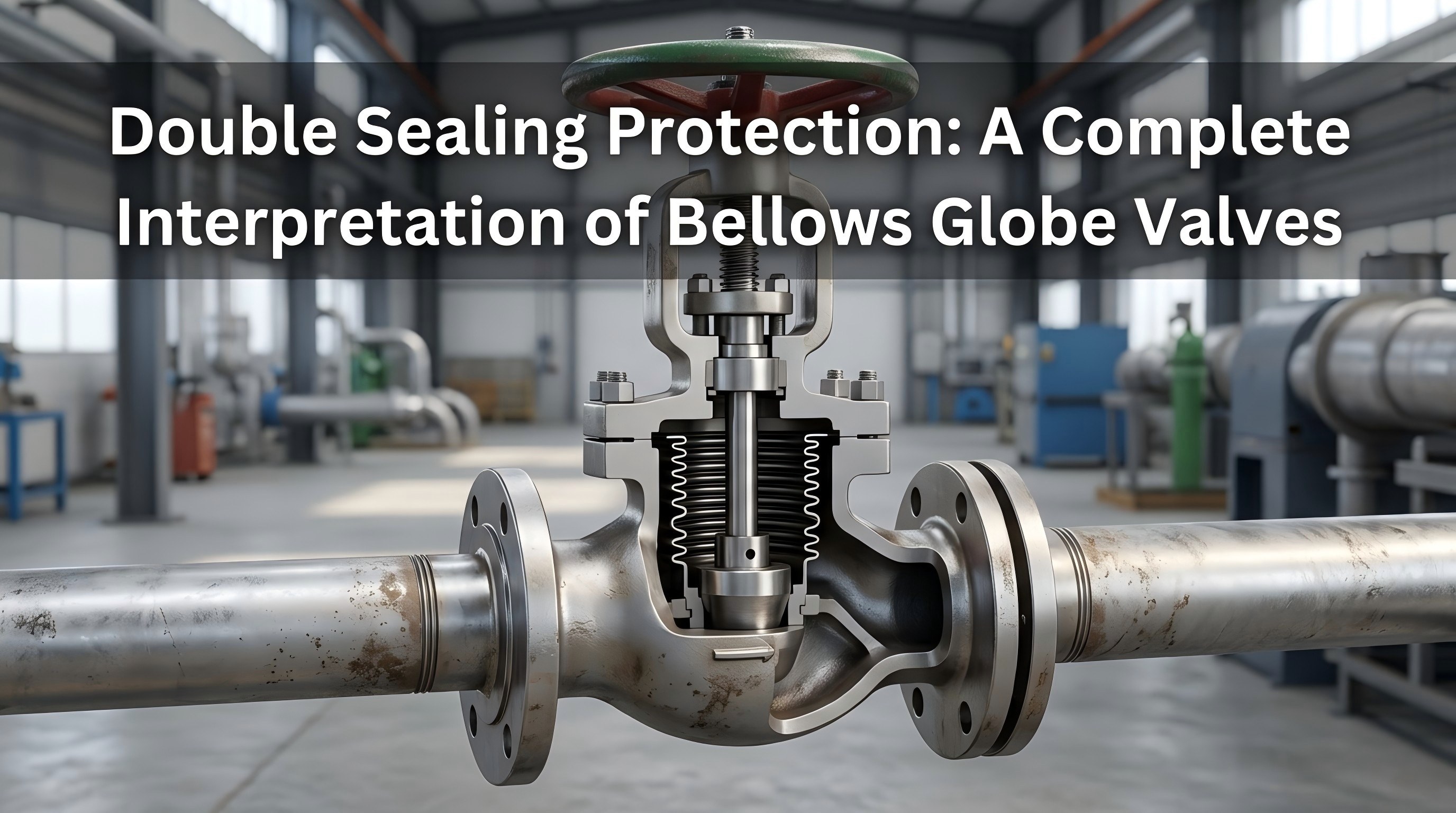 Double Sealing Protection: A Complete Interpretation of Bellows Globe Valves
  End-Suction Pump vs Inline Pumps: Which One Is Right for You?
  Method of Selecting Valve Types Based on Throttling Degree