
What Is an OS&Y Valve?
2025-11-10
If you work in industrial piping, fire safety, or similar fields, you’ve probably come across OS&Y valves more times than you can count. Short for "Outside Screw and Yoke," these valves are everywhere in critical sectors like fire protection, water supply, petrochemicals, and power generation—and for good reason. Their unique design, easy-to-use operation, and rock-solid sealing make them a go-to for professionals who can’t afford mistakes. In this article, I’ll break down exactly what an OS&Y valve is, how it works, and where you’ll most likely find it—no overly technical jargon, just straightforward explanations from someone who’s worked with these valves firsthand.

1. What Exactly Is an OS&Y Valve?
Let’s start with the basics: OS&Y stands for "Outside Screw and Yoke." You might also hear it called a "rising stem gate valve" in casual conversations with industry peers—that’s just the simpler way to describe it. At its core, it’s a type of gate valve, but with a key twist that sets it apart from regular gate valves (or "non-rising stem" valves, which are often labeled IS&Y: Inside Screw and Yoke).
The big difference? The stem—the threaded rod that moves the valve’s internal gate—and the yoke (the bracket that holds the stem in place) are both exposed on the outside of the valve body. With IS&Y valves, that stem is hidden inside, so you can never really be 100% sure if the valve is fully open or closed just by looking at it. That’s a huge downside in safety-critical jobs, where a wrong guess could lead to disasters like water damage, system failures, or worse.
With OS&Y valves, though, you can tell the status at a glance. When the valve is open, the stem sticks out from the yoke—sometimes several inches. When it’s closed, the stem retracts back into the valve body. No tools, no guesswork, no checking pressure gauges—just a quick visual scan, and you know exactly what’s going on.
Functionally, OS&Y valves are designed for one main job: fully opening or fully closing fluid flow. They’re not meant for regulating flow (try that, and you’ll likely warp the gate or ruin the seal over time). Inside, there’s a flat gate that lifts up to let fluid pass and drops down to seal the valve shut. When closed, that gate presses tightly against the valve seat, creating a leak-proof barrier that holds up even in high-pressure systems.
In terms of build, most OS&Y valves follow industry standards, but there’s some variation depending on the use case. You’ll typically find valve bodies made of ductile iron—tough enough to handle rough handling and harsh environments. The stems are usually stainless steel to prevent rust, and the gates often have a soft seal (like EPDM rubber) or metal-to-metal seal for extra reliability. Sizes range from 1 inch to 16 inches (DN25 to DN400), and they can handle pressures between 175 psi (1.2 MPa) and 350 psi (2.4 MPa), with temperatures from around 33°F (0.6°C) to 125°F (52°C). And if you’re using one for fire safety? Make sure it has UL/FM certification—those are non-negotiable for meeting fire codes.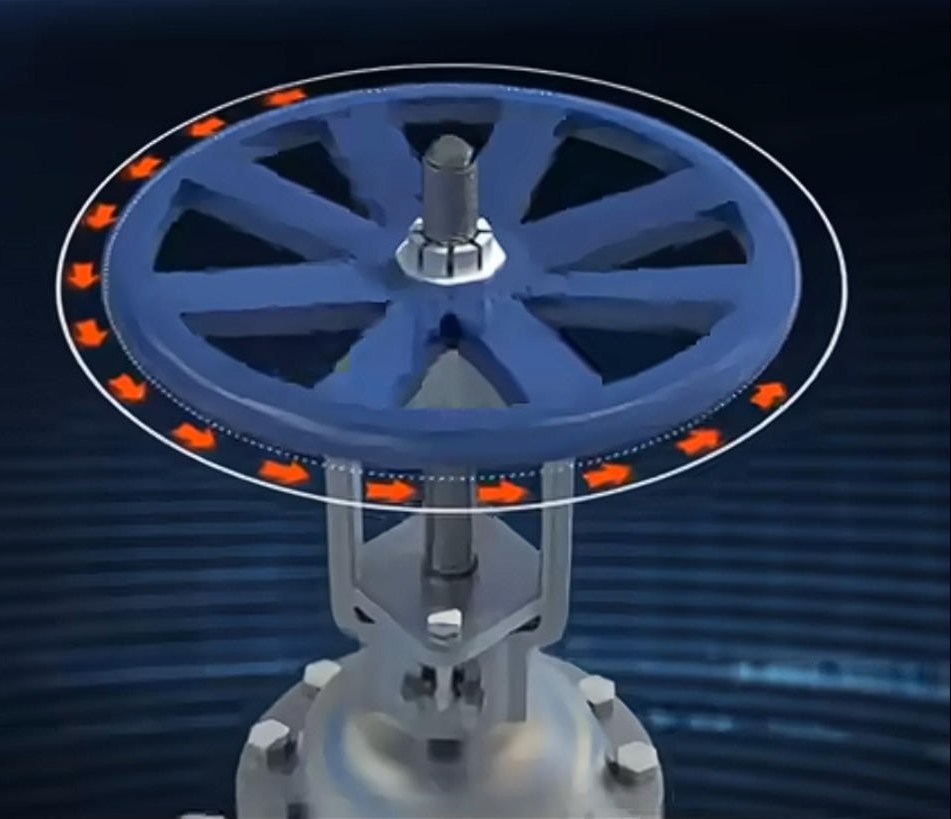
The big difference? The stem—the threaded rod that moves the valve’s internal gate—and the yoke (the bracket that holds the stem in place) are both exposed on the outside of the valve body. With IS&Y valves, that stem is hidden inside, so you can never really be 100% sure if the valve is fully open or closed just by looking at it. That’s a huge downside in safety-critical jobs, where a wrong guess could lead to disasters like water damage, system failures, or worse.
With OS&Y valves, though, you can tell the status at a glance. When the valve is open, the stem sticks out from the yoke—sometimes several inches. When it’s closed, the stem retracts back into the valve body. No tools, no guesswork, no checking pressure gauges—just a quick visual scan, and you know exactly what’s going on.
Functionally, OS&Y valves are designed for one main job: fully opening or fully closing fluid flow. They’re not meant for regulating flow (try that, and you’ll likely warp the gate or ruin the seal over time). Inside, there’s a flat gate that lifts up to let fluid pass and drops down to seal the valve shut. When closed, that gate presses tightly against the valve seat, creating a leak-proof barrier that holds up even in high-pressure systems.
In terms of build, most OS&Y valves follow industry standards, but there’s some variation depending on the use case. You’ll typically find valve bodies made of ductile iron—tough enough to handle rough handling and harsh environments. The stems are usually stainless steel to prevent rust, and the gates often have a soft seal (like EPDM rubber) or metal-to-metal seal for extra reliability. Sizes range from 1 inch to 16 inches (DN25 to DN400), and they can handle pressures between 175 psi (1.2 MPa) and 350 psi (2.4 MPa), with temperatures from around 33°F (0.6°C) to 125°F (52°C). And if you’re using one for fire safety? Make sure it has UL/FM certification—those are non-negotiable for meeting fire codes.
2. How Does an OS&Y Valve Actually Work?
Don’t overcomplicate it—OS&Y valves operate on a super simple mechanism, similar to a basic faucet but sturdier. The main parts are the valve body, gate, stem (or screw), yoke, handwheel, and valve seat. All these pieces work together to open and close the valve smoothly.
To open it: Grab the handwheel and turn it counterclockwise. The handwheel is threaded onto the stem, and the yoke keeps the stem from spinning—so instead of rotating, the stem starts to rise up. Since the stem is attached to the gate at the bottom, the gate lifts with it, clearing the valve seat and letting fluid flow through the body. You’ll see the stem sticking out more and more as you turn—hard to miss when it’s fully open.
To close it: Turn the handwheel clockwise. This pushes the stem back down, and the gate follows, pressing tightly against the valve seat until it’s sealed shut. The stem will retract almost entirely into the valve body—another clear visual cue that the valve is closed.
One of the best things about this design is that the stem never touches the fluid inside the valve. That means no corrosion from chemicals or debris in the fluid, which extends the valve’s lifespan (I’ve seen well-maintained OS&Y valves last 15+ years). It also keeps lubricant from the stem seeping into the fluid—critical if you’re dealing with drinking water or fire suppression systems where contamination is a big no-no.
Maintenance is a breeze too. You don’t have to remove the valve from the pipeline to lubricate the stem or fix a loose handwheel—just reach in, add some grease, and you’re good to go. Compare that to IS&Y valves, where you might have to cut the pipe open to access the stem, and it’s easy to see why OS&Y is preferred for most industrial jobs.
3. Why Do Professionals Swear by OS&Y Valves?
After working with these valves for years, I can tell you their popularity isn’t just hype—they solve real problems for people in the field. Here are the top reasons they’re a staple in so many industries:
1.No more guessing games: The rising stem means you can check the valve’s status in two seconds flat. During routine inspections or emergencies, that saves time and prevents costly mistakes. I once saw a crew waste 45 minutes trying to figure out why a fire sprinkler system wasn’t working—turns out, the IS&Y valve controlling it was only half-open, but no one could tell by looking. That wouldn’t happen with an OS&Y.
2.Seals that hold up: Most OS&Y valves have double-seal designs, so they’re leak-proof even in high-pressure or high-temperature environments. I’ve used them in steam lines and chemical plants, and I can count on one hand how many times I’ve had a leak—usually due to improper installation, not the valve itself.
3.Built to last: These valves are tough. They can handle frequent opening and closing (we’re talking hundreds of cycles a year) or sitting fully open/closed for years without seizing up. The cast iron body and stainless steel stem stand up to abuse that would break cheaper valves.
4.Fire code compliant: The National Fire Protection Association (NFPA) requires valves in fire systems to have visible status indicators—and OS&Y valves check that box perfectly. If you’re installing a fire sprinkler or hydrant system, using anything else could get you in trouble with inspectors.
5.Low maintenance: As I mentioned earlier, no need for major disassembly. A little lubrication every six months and a quick visual check is all it takes to keep them running smoothly.
4. Where You’ll Find OS&Y Valves in the Real World
OS&Y valves aren’t just for show—they’re used in places where reliability and safety matter most. Here are the most common applications I’ve encountered:
1. Fire Protection Systems
This is where OS&Y valves shine brightest. You’ll find them on main water lines, pump outlets, and before alarm valves in commercial buildings, factories, and hospitals. NFPA rules mandate that fire valves have visible open/closed status, so OS&Y is the default choice. During a fire, every second counts—firefighters don’t have time to test valves; they need to know at a glance that water is flowing to the sprinklers.
2. Municipal Water Supply
Cities and towns use OS&Y valves to control water flow in main pipelines, pump stations, and neighborhood water mains. When a pipe bursts or a street needs repairs, crews can quickly locate the OS&Y valve, close it, and isolate the problem area without shutting off water to an entire neighborhood. I’ve worked with water utilities that swear by them—they cut down on service calls and customer complaints.
3. Petrochemical & Energy Plants
Refineries, chemical plants, and natural gas facilities use OS&Y valves to handle crude oil, gasoline, steam, and process water. These environments are harsh—high pressure, extreme temperatures, and corrosive chemicals—but OS&Y valves hold up when made with the right materials (stainless steel or alloy steel). I once installed one in a refinery where the fluid temperature hit 120°F (49°C) daily—still going strong five years later.
4. Power & Thermal Systems
Coal-fired power plants and combined heat and power (CHP) facilities rely on OS&Y valves for boiler feedwater, condensate recovery, and steam distribution. They need valves that can handle high pressure (up to 350 psi) and constant use, and OS&Y delivers. During maintenance, crews can isolate sections of the system quickly using the valve’s visual status indicator.
5. What to Consider When Choosing & Installing an OS&Y Valve
Not all OS&Y valves are created equal, and getting the right one for the job is key. Here’s what I always look for (and what you should too):
- Fluid type: If you’re handling water or steam, a standard ductile iron valve works. For chemicals or corrosive fluids, go with stainless steel or alloy steel—trust me, it’s worth the extra cost to avoid premature failure.
- Pressure & temperature: Make sure the valve’s rated pressure and temperature match your system. I once saw someone use a low-pressure valve in a steam line—failed after three weeks. Always check the specs!
- Connection type: Flanged connections are the most common (easy to install and remove), but threaded or welded connections work for tight spaces.
- Certifications: For fire safety, UL/FM certification is a must. For petrochemicals, look for API 600 or ISO 5208. Don’t skip this—non-certified valves might not meet industry standards.
- Installation tips: Make sure the valve is mounted vertically with the handwheel accessible (you don’t want to reach over pipes to operate it). Tighten the flange bolts evenly to avoid warping the valve body—another common mistake I’ve seen lead to leaks.
6. Wrapping Up
OS&Y valves might not be the most glamorous piece of equipment in an industrial system, but they’re one of the most important. Their simple, reliable design solves real problems for professionals—no guesswork, no leaks, no constant maintenance. Whether you’re installing a fire sprinkler system, maintaining a water main, or running a chemical plant, an OS&Y valve is a investment in safety and efficiency.
If you’re in the market for a high-quality OS&Y valve, I’ve had great experiences with AthenaValve. They’re an Italian brand that focuses on precision manufacturing—their valves are made with top-notch stainless steel and ductile iron, and they meet all the major certifications (EN, API, UL/FM). I’ve used their valves in several projects, and they’ve never let me down—even in harsh conditions.
At the end of the day, choosing the right OS&Y valve isn’t just about buying a piece of metal—it’s about protecting your system, your team, and your bottom line. With the right valve, you’ll spend less time troubleshooting and more time focusing on what matters.
 How Does a Ball Type Check Valve Prevent Pipeline Medium Backflow?
  Selection and Precautions for Natural Gas Valves
  Athena Engineering S.R.L Wraps‑up OGA 2026 Kuala Lumpur
  What is a Gate Valve? What is Its Working Principle?
  T-Type / T-Pattern / Straight Pattern Globe Valve
  Knife Gate Valve vs Wedge Gate Valve: Which Is Better for Your Industrial Piping?
  Cryogenic Ball Valve Comprehensive Product Overview
  Causes and Treatments for Poor Valve Shut‑Off
  Athena Triple Offset Butterfly Valves
  What is the Difference Between Swing Check Valve and NRV? A Complete Explanation
  Common Connection Types of Valves
  5 Piping Design Mistakes That Are Killing Your Valves
  Float Valve: Structure, Principle and Application
  High Pressure Needle Valve High-Precision Fluid Control Valve
  What is a Piston Check Valve?
  Meet Us at OGA 2026 | Booth 6802, Hall 6
  What is a Level Gauge? Working Principles, Types and Industrial Applications
  Double Sealing Protection: A Complete Interpretation of Bellows Globe Valves
  End-Suction Pump vs Inline Pumps: Which One Is Right for You?
  Method of Selecting Valve Types Based on Throttling Degree