
How Non Return Valve Works?
2025-04-15
In the intricate dance of fluid dynamics, where liquids and gases traverse networks of pipes and machinery, the ability to control the direction of flow is paramount. While sophisticated control valves often take center stage, there exists a silent guardian, a steadfast sentinel ensuring unidirectional movement: the non-return valve (NRV). Also known as a check valve, one-way valve, or reflux valve, this seemingly simple device plays an indispensable role in safeguarding equipment, maintaining process integrity, and ensuring the safety and efficiency of countless industrial and domestic applications. Its automatic operation, driven solely by the fluid pressure itself, belies a sophisticated interplay of design and material science that demands a thorough understanding.

At its core, a non-return valve is a two-port mechanical valve engineered to permit fluid flow in only one direction, effectively acting as a gatekeeper against unwanted backflow. Unlike manually or externally actuated valves, NRVs operate autonomously, their opening and closing dictated by the pressure differential across the valve. This inherent self-regulation is what makes them so crucial in systems where preventing the reversal of flow is critical. Imagine a scenario where a pump diligently pushes fluid through a pipeline; without an NRV downstream, the moment the pump ceases operation, gravity and downstream pressure could force the fluid back through the pump, potentially causing catastrophic damage to its internal mechanisms. This is just one example of why NRVs are not mere accessories but fundamental components in maintaining the health and longevity of fluid systems.
The importance of NRVs extends far beyond equipment protection. In processes where fluid contamination is a significant concern, such as water treatment facilities or pharmaceutical manufacturing, these valves act as a crucial barrier, preventing potentially contaminated backflow from mingling with purified substances. Similarly, in chemical processing plants, NRVs are vital safety devices, ensuring that incompatible chemicals do not inadvertently mix due to flow reversal, which could lead to hazardous reactions. Furthermore, NRVs contribute significantly to system efficiency by preventing energy losses associated with backflow and help mitigate the damaging effects of water hammer, a sudden pressure surge caused by the abrupt stopping or reversal of fluid flow.
The fundamental principle governing the operation of an NRV is elegantly simple. These valves typically feature an inlet and an outlet. When the pressure on the inlet side exceeds the pressure on the outlet side, plus any inherent resistance from the valve's closing mechanism (such as a spring or the weight of an internal component), the valve opens, allowing the fluid to pass through. Conversely, if the pressure at the outlet equals or surpasses the inlet pressure, or if the flow ceases and attempts to reverse, the pressure differential shifts, forcing the internal closing element against a seat within the valve body, creating a tight seal that prevents any backward movement of the fluid. This automatic response, devoid of any external control, underscores the reliability and inherent safety offered by NRVs.
Understanding why users place such a high value on non-return valves reveals the critical roles these devices play in various applications. Foremost is the concern for preventing backflow and contamination. The integrity of a fluid system hinges on the predictable and unidirectional movement of its contents. Backflow can introduce impurities, compromise the quality of the processed material, and even lead to health hazards in potable water systems or food processing. NRVs stand as a bulwark against such risks, ensuring that fluids move only in their intended path, safeguarding the purity and safety of the system's contents.
Closely linked to this is the crucial function of protecting equipment. Pumps, compressors, flow meters, and other sensitive components are designed to operate under specific flow conditions. Reverse flow can subject these devices to undue stress, causing damage to impellers, seals, and other critical parts, leading to costly repairs and significant downtime. By preventing backflow, NRVs act as an insurance policy for these valuable assets, extending their lifespan and ensuring their reliable operation.
Users also prioritize the role of NRVs in maintaining system pressure and preventing water hammer. Stable pressure is essential for the efficient operation of many fluid systems. Backflow can lead to pressure fluctuations and losses, impacting the performance of downstream equipment. Moreover, the phenomenon of water hammer, a potentially destructive pressure wave generated by the sudden cessation or reversal of flow, can severely damage pipelines and connected equipment. Certain types of NRVs, particularly those with fast-closing mechanisms, play a vital role in dampening these surges and protecting the system from their damaging effects.
Beyond these core functions, users value NRVs for their contribution to operational efficiency and safety. By ensuring unidirectional flow, these valves minimize energy losses that could occur due to fluid recirculation. In industries dealing with hazardous materials, the prevention of accidental backflow is not just a matter of efficiency but a critical safety measure, mitigating the risk of leaks, spills, and potentially catastrophic incidents. The inherent reliability and low maintenance requirements of many NRV designs are also highly valued, reducing operational overhead and minimizing disruptions to processes. Finally, the cost-effectiveness of NRVs, particularly in comparison to more complex flow control solutions, makes them an attractive and practical choice for a wide range of applications.
To truly appreciate the functionality of a non-return valve, it is essential to delve into its key components and their respective roles. The valve body serves as the primary structural element, housing the internal working parts and providing the necessary connections to the pipeline. The material of the body is carefully selected based on the fluid being handled, the operating pressure and temperature, and the external environment. The heart of the NRV lies in its closing element, the component that physically obstructs the flow in the reverse direction. This element can take various forms, including a disc, ball, poppet, flap, or diaphragm, each suited to specific applications and performance requirements. The seat is the critical surface against which the closing element comes to rest, forming a leak-tight seal when backflow is imminent. The material and finish of the seat are crucial for achieving effective shutoff and must be compatible with the closing element and the fluid. In swing and tilting disc valves, a hinge or pivot allows the disc to move freely to open and close. Some NRV designs incorporate a spring to provide an additional closing force and influence the valve's opening pressure. Lastly, a bonnet, present in some designs, is a cover that provides access to the internal components for inspection and maintenance.
The operation of an NRV is intrinsically linked to the pressure differential across the valve. During forward flow, when the upstream pressure significantly exceeds the downstream pressure, this pressure difference exerts a force on the closing element, overcoming any spring force or gravitational pull, and causing it to move away from the seat. The minimum pressure required to initiate flow and open the valve is known as the cracking pressure. Conversely, when the downstream pressure rises to equal or exceed the upstream pressure, the pressure differential reverses (or diminishes), and the closing element is forced back onto the seat, creating a seal that prevents any backflow. This entire process is automatic, driven solely by the dynamics of the fluid flow itself. NRVs are inherently flow-sensitive devices; they rely on the kinetic energy of the flowing fluid to maintain an open position. As the flow rate decreases, the force holding the valve open diminishes, and the valve will begin to close. The specific design of the NRV significantly influences its flow characteristics and the pressure drop it introduces into the system.
The versatility of non-return valves is evident in the diverse range of types available, each tailored to specific applications and performance demands. Swing check valves, with their hinged disc that swings open and closed, are known for their simple design and low pressure drop, making them suitable for a wide range of applications, including water supply and sewage systems. However, their relatively slow closing action can make them susceptible to water hammer in rapidly changing flow conditions. Lift check valves, available in piston and ball configurations, are better suited for high-pressure and high-velocity flows. Piston types are often spring-assisted and can be installed in various orientations, while ball check valves excel in handling viscous fluids and high-purity applications. However, they typically exhibit a higher pressure drop than swing check valves. Ball check valves, as a distinct category, feature a spherical ball that seats to block reverse flow. Their simple and robust design makes them ideal for contaminated fluids and slurries, although they can also have a higher pressure drop. Diaphragm check valves utilize a flexible diaphragm to control flow, offering leak-tight sealing and suitability for corrosive fluids and hygienic applications, albeit typically at lower pressure and temperature limits.
Wafer check valves, also known as silent check valves, boast a compact design that fits between flanges. Their spring-loaded discs or dual plates offer a fast closing action, significantly reducing the risk of water hammer, making them ideal for clean liquid and gas lines where space is constrained. Tilting disc check valves represent a more advanced design, similar to swing check valves but with a disc that pivots on an offset hinge, allowing for a more streamlined flow path and faster closure, making them suitable for large diameter, high-flow applications. Finally, stop check valves combine the non-return functionality with a manual shut-off capability, offering versatility for both preventing backflow and isolating sections of the system for maintenance.
When selecting a non-return valve, a multitude of factors must be carefully considered to ensure optimal performance and longevity. The type of fluid being handled, including its chemical properties, viscosity, temperature, and the presence of any solid particles, will dictate the appropriate valve material and internal design. The operating pressure and temperature of the system must be well within the valve's specifications. The flow rate will influence the required valve size to minimize pressure drop and prevent issues like chattering. Pressure drop itself is a critical consideration for energy efficiency. The installation orientation (horizontal or vertical) can impact the performance of certain NRV types. The closing time of the valve is crucial in applications prone to water hammer. Maintenance requirements and the cost of the valve are also important practical considerations. Furthermore, adherence to relevant industry standards and regulations is often mandatory, and space limitations may influence the choice of valve design.
Despite their robust nature, non-return valves can encounter problems over time. Reverse flow indicates a failure to seal, often due to debris lodged in the seat or damage to the internal components. Leakage can occur due to a compromised seal or improper installation. Sticking of the closing element can be caused by debris buildup or corrosion. Chattering, a rapid opening and closing, can result from undersizing or fluctuating flow. While NRVs aim to prevent water hammer, improper selection can exacerbate it. Debris buildup, wear and tear, and corrosion are other common issues. Regular inspection, cleaning, and replacement of worn parts are essential maintenance practices. Proper installation and adherence to manufacturer recommendations are also crucial for ensuring reliable operation.
The quality and performance of non-return valves are often governed by stringent industry standards and regulations. Organizations such as the American Society of Mechanical Engineers (ASME), the American Petroleum Institute (API), and the International Organization for Standardization (ISO) develop comprehensive standards covering design, testing, and material specifications. Compliance with these standards ensures the safety, reliability, and interchangeability of valves.
In conclusion, non-return valves, though often overlooked, are indispensable sentinels in the realm of fluid control. Their ability to automatically prevent backflow is critical for protecting equipment, ensuring process integrity, and maintaining safety across a vast spectrum of applications. From the simple swing check valve to the sophisticated tilting disc design, each type offers unique advantages tailored to specific needs. By carefully considering the operational requirements, fluid characteristics, and relevant industry standards, users can select the appropriate NRV to ensure the efficient and reliable operation of their fluid systems. Companies like Athena Engineering play a vital role in providing a diverse range of high-quality non-return valves designed to meet the demanding needs of various industries, underscoring the importance of these unsung heroes of fluid control. Their expertise and product offerings highlight the critical role that well-engineered NRVs play in the seamless and safe operation of countless processes that underpin our modern world.
 How Does a Ball Type Check Valve Prevent Pipeline Medium Backflow?
  Selection and Precautions for Natural Gas Valves
  Athena Engineering S.R.L Wraps‑up OGA 2026 Kuala Lumpur
  What is a Gate Valve? What is Its Working Principle?
  T-Type / T-Pattern / Straight Pattern Globe Valve
  Knife Gate Valve vs Wedge Gate Valve: Which Is Better for Your Industrial Piping?
  Cryogenic Ball Valve Comprehensive Product Overview
  Causes and Treatments for Poor Valve Shut‑Off
  Athena Triple Offset Butterfly Valves
  What is the Difference Between Swing Check Valve and NRV? A Complete Explanation
  Common Connection Types of Valves
  5 Piping Design Mistakes That Are Killing Your Valves
  Float Valve: Structure, Principle and Application
  High Pressure Needle Valve High-Precision Fluid Control Valve
  What is a Piston Check Valve?
  Meet Us at OGA 2026 | Booth 6802, Hall 6
  What is a Level Gauge? Working Principles, Types and Industrial Applications
 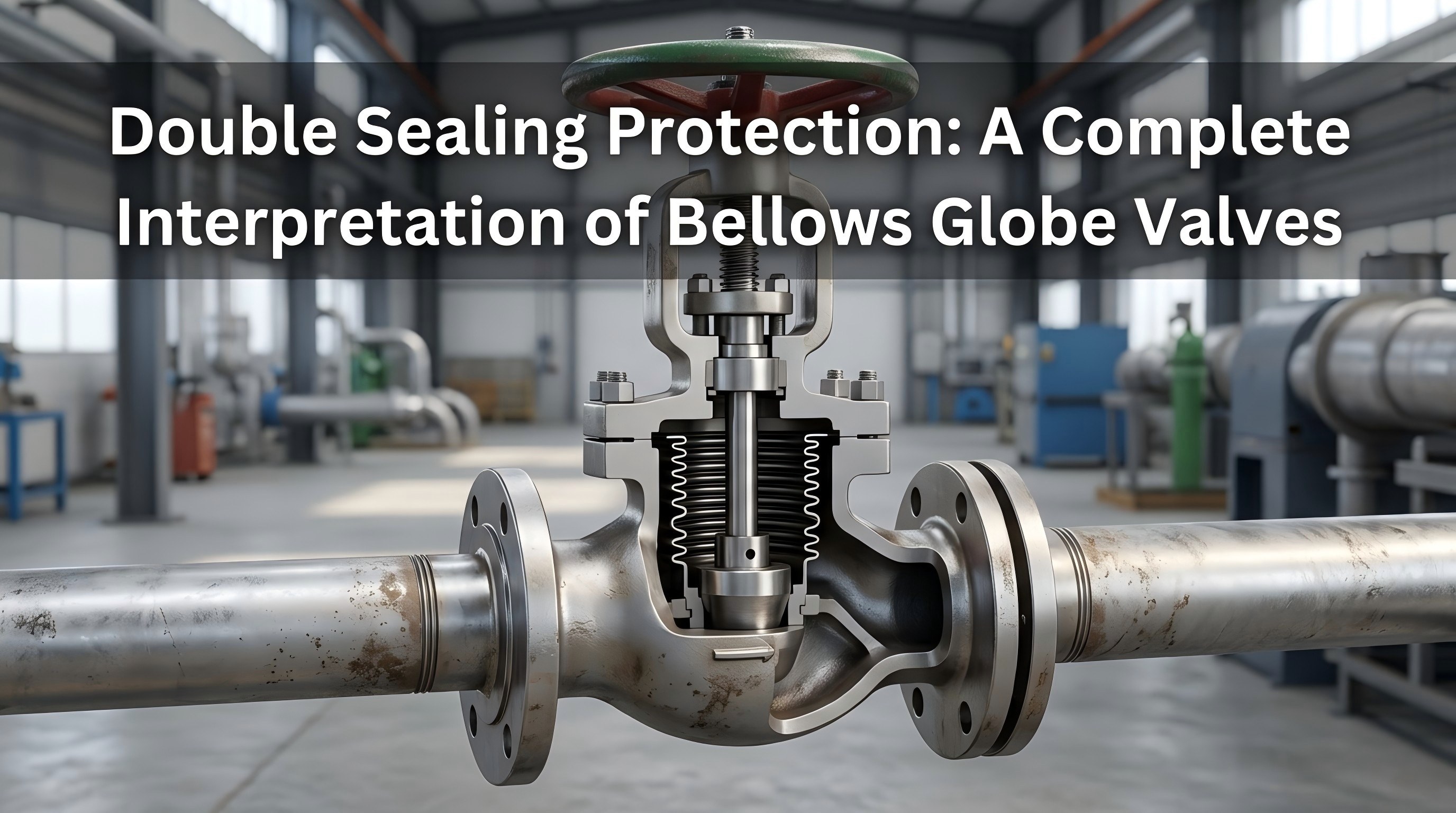 Double Sealing Protection: A Complete Interpretation of Bellows Globe Valves
  End-Suction Pump vs Inline Pumps: Which One Is Right for You?
 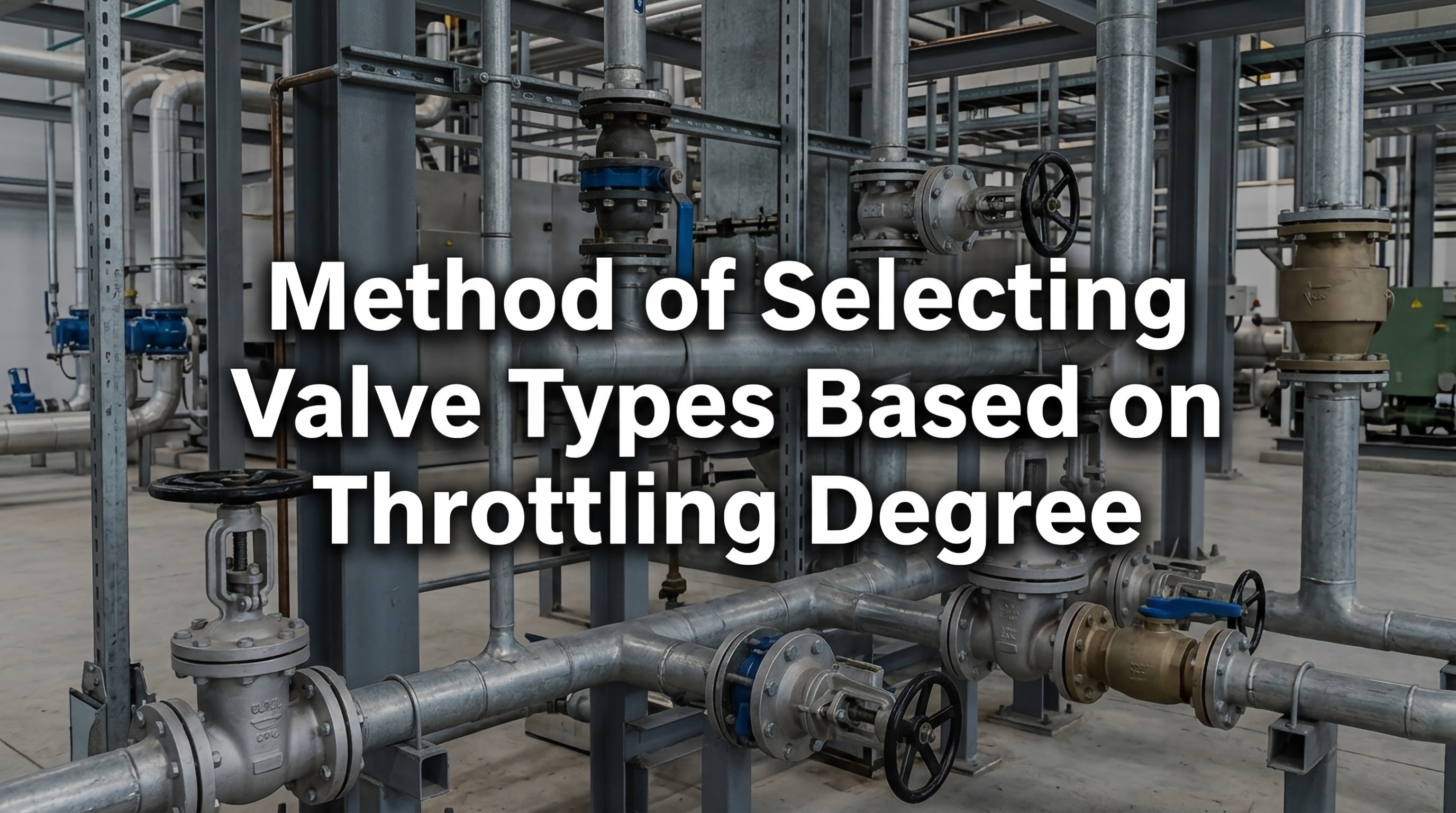 Method of Selecting Valve Types Based on Throttling Degree