
What is a Gate Valve: Types, Functions, Working Principles, and Applicable Environments
A gate valve is a type of valve commonly used in industrial piping systems to control the flow of fluids such as water, oil, and gas. It is named after its gate-like disc, which moves up and down to either allow or restrict the flow of fluid. Gate valves are known for their reliable and efficient performance, making them a popular choice in various industries. In this article, we will delve deeper into what a gate valve is, its types, functions, working principles, and the environments in which it is commonly used.
Types of Gate Valves
There are two main types of gate valves: the parallel gate valve and the wedge gate valve. The parallel gate valve features a flat disc that slides in and out of the valve body, perpendicular to the direction of flow. This type of gate valve is commonly used in low-pressure applications and is suitable for handling slurries and viscous fluids.
On the other hand, the wedge gate valve has a wedge-shaped disc that lowers into the valve body to shut off the flow of fluid. It is further divided into two types: the solid wedge and the flexible wedge. The solid wedge is suitable for handling fluids with minimal impurities, while the flexible wedge is more versatile and can handle fluids with impurities, such as slurries, without getting stuck.


Functions of Gate Valves
The primary function of a gate valve is to regulate the flow of fluid in a piping system. When the valve is opened, the gate disc is raised, allowing the fluid to pass through the valve body. On the other hand, when the valve is closed, the gate disc is lowered, blocking the flow of fluid. This on/off mechanism makes gate valves ideal for applications where precise control of fluid flow is required.
Another essential function of gate valves is to provide a tight seal when closed. The disc of a gate valve is designed to fit perfectly into the valve seat, ensuring a complete shut-off of fluid flow. This feature makes gate valves suitable for handling high-pressure applications, as they can withstand high levels of pressure without leaking.
Working Principle of Gate Valves
The working principle of gate valves is relatively simple. When the valve is in the open position, the gate disc is lifted, creating a straight path for the fluid to flow through the valve body. As the disc is lowered, it blocks the flow of fluid, creating a seal between the disc and the valve seat. This on/off mechanism is controlled by a handwheel or actuator, which is used to raise or lower the gate disc.
One of the advantages of gate valves is that they can be operated quickly, making them suitable for emergency shut-off applications. However, due to the linear motion of the gate disc, gate valves are not suitable for regulating the flow of fluid. This restricts their use to on/off operations only.
Applicable Environments for Gate Valves
OS&Y Gate valves are commonly used in a wide range of industries, including oil and gas, water treatment, chemical processing, and power generation. Their robust design and ability to handle high-pressure applications make them suitable for use in pipelines and other industrial systems that transport fluids under high pressures.
They are also commonly used in applications that require precise control of fluid flow, such as in water treatment plants, where the flow of water needs to be regulated precisely. Additionally, gate valves are suitable for handling a wide range of fluids, including corrosive and abrasive substances, making them versatile for use in various environments.
In terms of temperature, gate valves are suitable for use in both high and low-temperature environments. However, the type of material used for the valve body and gate disc may vary depending on the temperature of the fluid being transported.
In corrosive environments, gate valves made from materials such as stainless steel or bronze are commonly used to resist corrosion and ensure the longevity of the valve. In contrast, in high-temperature environments, materials such as cast iron or carbon steel are used as they can withstand higher temperatures without losing their structural integrity.
Conclusion
In conclusion, a gate valve is a crucial component in industrial piping systems, allowing for the precise control of fluid flow. It comes in two main types, the parallel gate valve and the wedge gate valve, with each having its unique features and applications. The working principle of gate valves is simple, with a gate-like disc controlling the flow of fluid by either opening or closing the valve. They are commonly used in various industries and are suitable for handling a wide range of fluids in different environments. With their reliable performance and ability to withstand high pressures and temperatures, gate valves continue to be a popular choice in the industrial world.
 How Does a Ball Type Check Valve Prevent Pipeline Medium Backflow?
  Selection and Precautions for Natural Gas Valves
  Athena Engineering S.R.L Wraps‑up OGA 2026 Kuala Lumpur
  What is a Gate Valve? What is Its Working Principle?
  T-Type / T-Pattern / Straight Pattern Globe Valve
  Knife Gate Valve vs Wedge Gate Valve: Which Is Better for Your Industrial Piping?
  Cryogenic Ball Valve Comprehensive Product Overview
  Causes and Treatments for Poor Valve Shut‑Off
  Athena Triple Offset Butterfly Valves
  What is the Difference Between Swing Check Valve and NRV? A Complete Explanation
  Common Connection Types of Valves
  5 Piping Design Mistakes That Are Killing Your Valves
  Float Valve: Structure, Principle and Application
  High Pressure Needle Valve High-Precision Fluid Control Valve
  What is a Piston Check Valve?
  Meet Us at OGA 2026 | Booth 6802, Hall 6
  What is a Level Gauge? Working Principles, Types and Industrial Applications
 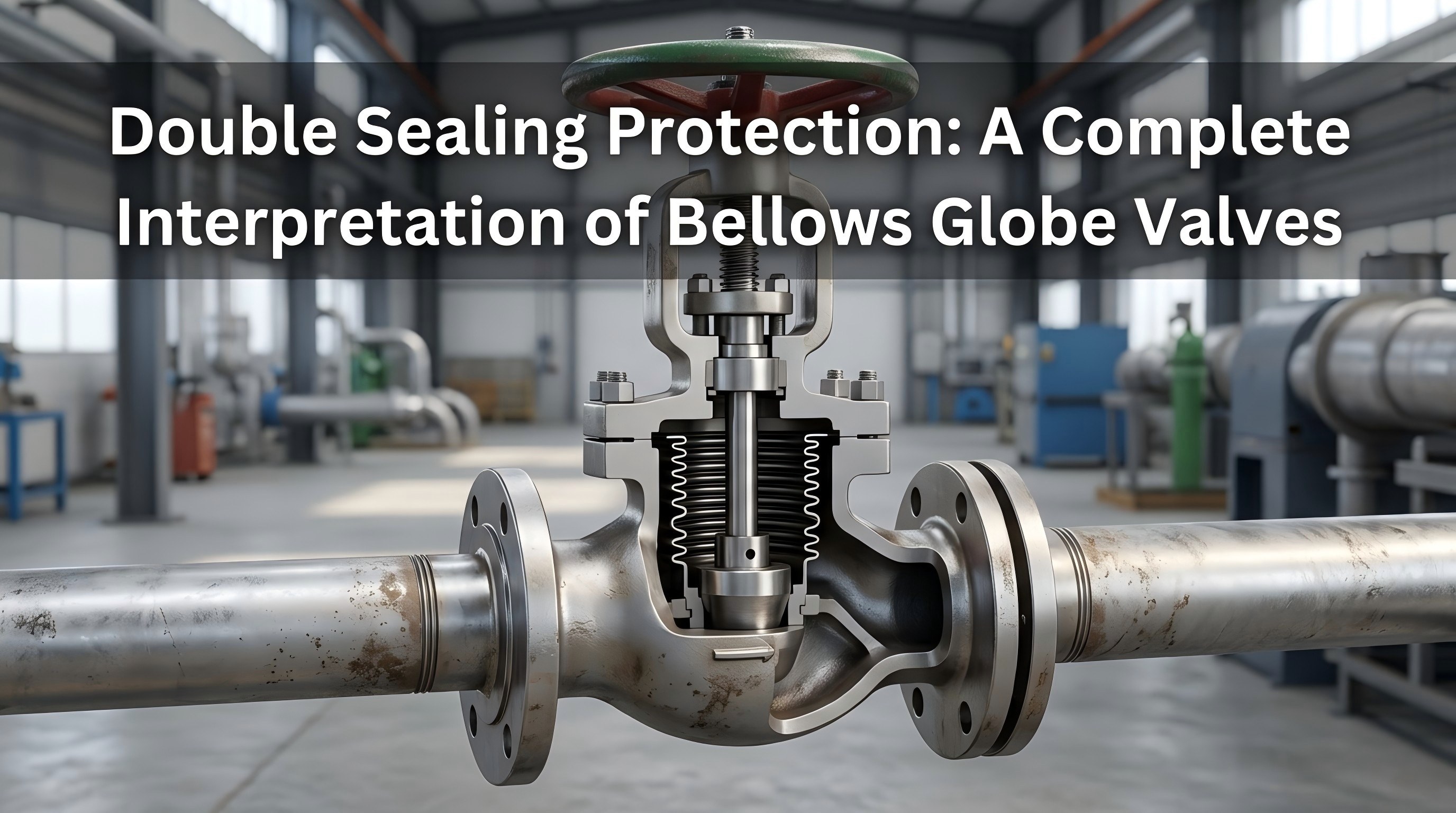 Double Sealing Protection: A Complete Interpretation of Bellows Globe Valves
  End-Suction Pump vs Inline Pumps: Which One Is Right for You?
 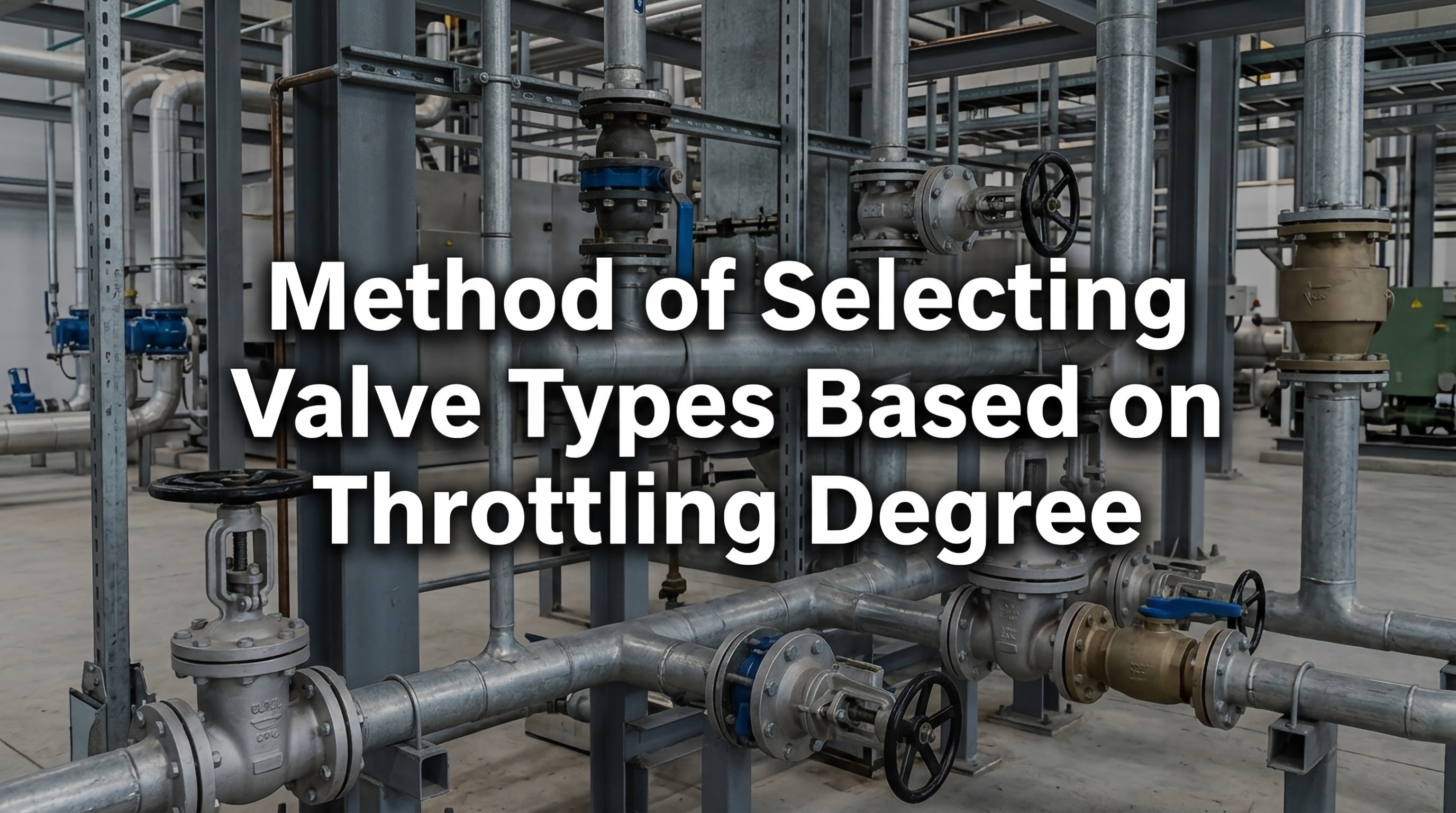 Method of Selecting Valve Types Based on Throttling Degree