
Are You Overlooking Key Factors Affecting Valve Sealing?
author: ATHENA GROUP
2026-06-11
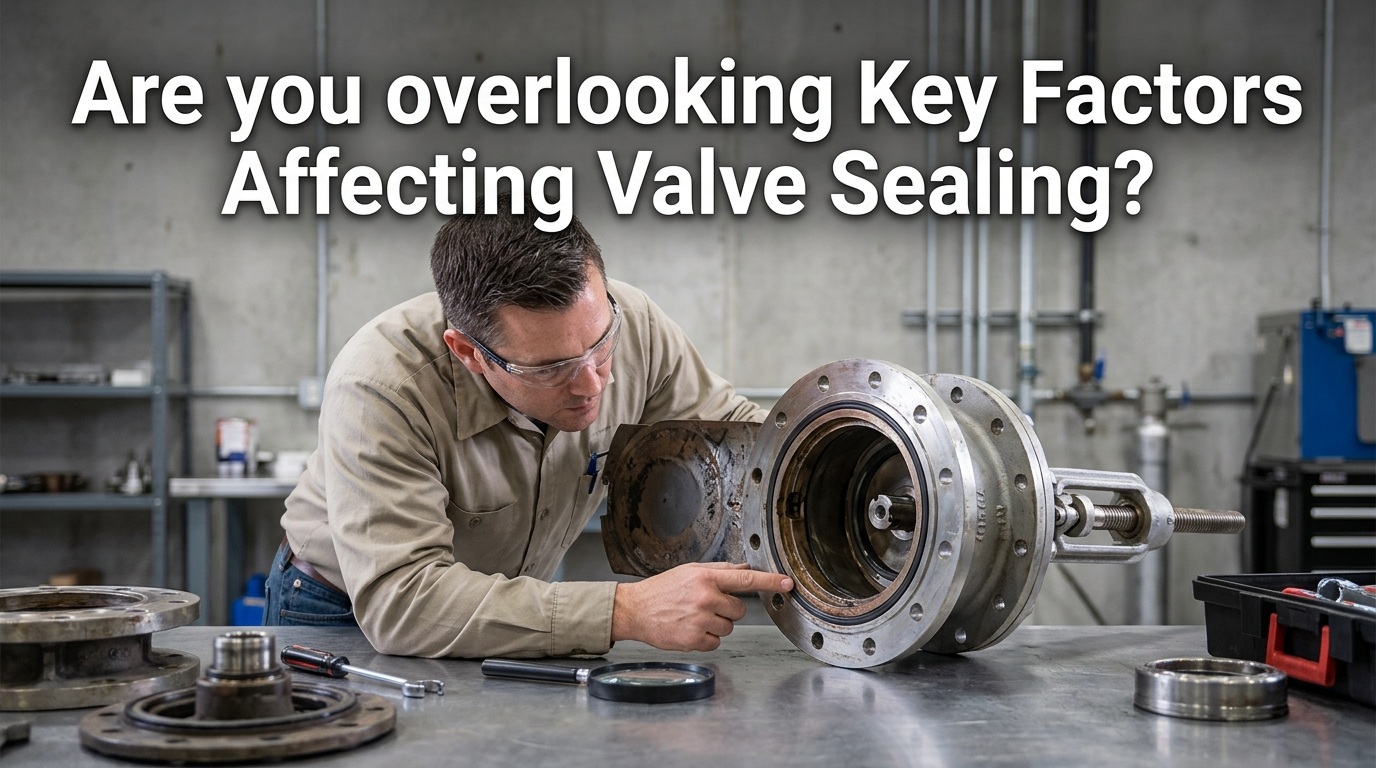
In industrial systems, the sealing performance of valves is critical to ensuring both safety and efficiency. However, the root cause of many failures often lies precisely in those overlooked factors affecting valve sealing—spanning various stages such as design, material selection, assembly, operation, and maintenance. A deep understanding of these factors is a necessary prerequisite for preventing leaks and reducing operational costs.
1. Sealing Surfaces and Material Selection
The machining precision of the sealing surface—whether flat, conical, or spherical—directly determines the tightness of the seal. A rough surface finish or the presence of microscopic cracks can trigger leaks, even in high-pressure environments. Material selection—such as rubber, PTFE , graphite, or metal—must be carefully matched to the actual operating temperature, pressure, and the corrosiveness of the fluid medium. If the wrong material is selected, it can easily lead to premature aging, erosion, or deformation of the sealing components.
2. Assembly Procedures and Torque Control
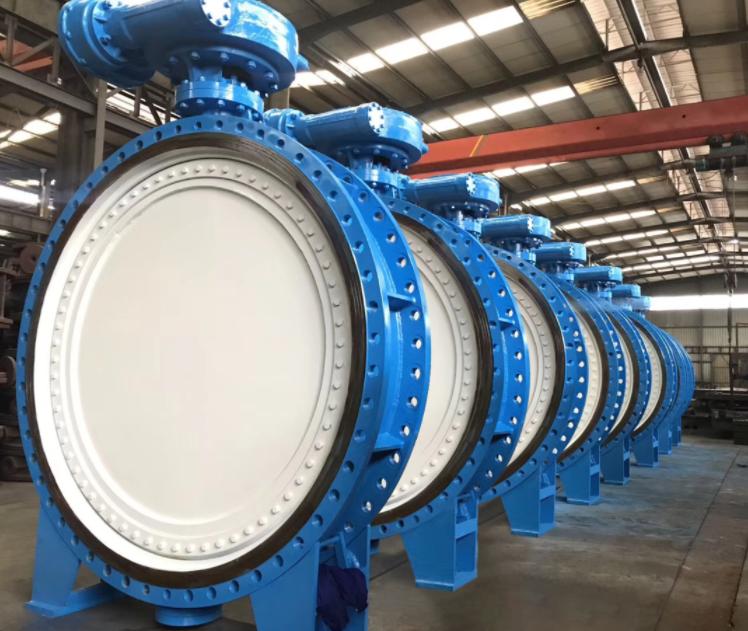
Uneven bolt pre-tensioning or improper compression of gaskets can both result in leaks. Up to 30% of early-stage valve failures can be attributed to incorrect assembly procedures—for instance, dirt or debris scratching the sealing surfaces. Controlling the operating torque is equally critical: excessive torque (over-tightening) can crush soft valve seats, while insufficient torque (under-tightening) prevents the formation of an effective seal. Therefore, it is recommended to utilize intelligent actuators equipped with torque feedback capabilities.
3. Operating Conditions and Routine Maintenance
Cyclical temperature fluctuations, pulsating pressure changes, and particulate matter entrained within the fluid medium can all accelerate the wear and tear of sealing components. Applications involving vacuum conditions, in particular, require specialized design solutions. Regularly inspecting the condition of seals for wear, monitoring for any degradation in bolt pre-tension, and checking for leaks—supplemented by condition monitoring technologies (such as acoustic emission monitoring or ultrasonic sensing)—can effectively extend the service life of sealing components.
Conclusion
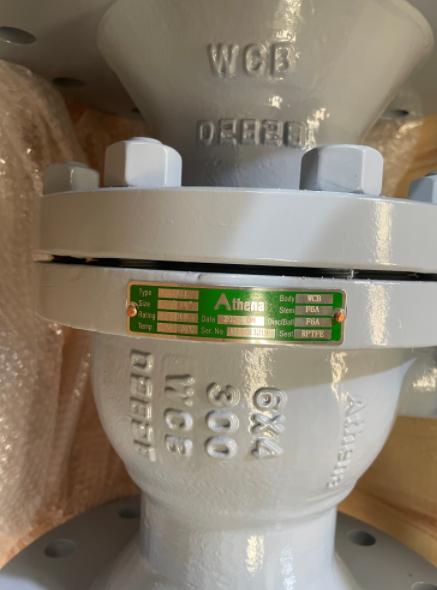
From the intricate design details of sealing surfaces to subsequent maintenance strategies, the various factors influencing valve sealing permeate every single stage of a valve's entire lifecycle. Only by adopting a systematic and comprehensive management strategy—encompassing the scientific selection of materials, standardized assembly procedures, precise torque control, and proactive predictive maintenance—can potential leakage risks be completely eliminated and the costly losses resulting from equipment failure be averted. Do not wait until equipment is forced into downtime for repairs to hastily address these critical sealing issues.
 How Does a Ball Type Check Valve Prevent Pipeline Medium Backflow?
  Selection and Precautions for Natural Gas Valves
  Athena Engineering S.R.L Wraps‑up OGA 2026 Kuala Lumpur
  What is a Gate Valve? What is Its Working Principle?
  T-Type / T-Pattern / Straight Pattern Globe Valve
  Knife Gate Valve vs Wedge Gate Valve: Which Is Better for Your Industrial Piping?
  Cryogenic Ball Valve Comprehensive Product Overview
  Causes and Treatments for Poor Valve Shut‑Off
  Athena Triple Offset Butterfly Valves
  What is the Difference Between Swing Check Valve and NRV? A Complete Explanation
  Common Connection Types of Valves
  5 Piping Design Mistakes That Are Killing Your Valves
  Float Valve: Structure, Principle and Application
  High Pressure Needle Valve High-Precision Fluid Control Valve
  What is a Piston Check Valve?
  Meet Us at OGA 2026 | Booth 6802, Hall 6
  What is a Level Gauge? Working Principles, Types and Industrial Applications
  Double Sealing Protection: A Complete Interpretation of Bellows Globe Valves
  End-Suction Pump vs Inline Pumps: Which One Is Right for You?
  Method of Selecting Valve Types Based on Throttling Degree