
An overview of the 10 most common types of industrial valves
author: ATHENA GROUP
2023-10-20
There are various types of industrial valves. Some are used for starting, shutting off, and regulating flow rates while others are used mostly for opening and closing.
The most common types of industrial valves are the ball valve, butterfly valve, and check valve. These are the most commonly used industrial valves. However, there are many other types of valves that are used in industrial applications, so there is no end to the number of valve types available.
We will be discussing in this article about the 10 types of industrial valves that you should know about. For more information about these valves, continue reading this article.
What Are Industrial Valves?
Industrial valves are mechanical devices used to control and regulate the flow of fluids (liquids, gases, or slurries) in a wide range of industrial processes and systems. These essential components are designed to start, stop, or adjust the flow rate within pipelines, ensuring that fluids move through a system as intended. Industrial valves come in various types, each with its own design and functionality, making them suitable for specific applications and industries.
The primary functions of industrial valves include:
- Isolation: Valves can completely block the flow of fluid, isolating a section of a pipeline for maintenance, repair, or to prevent the flow of materials in emergencies.
- Regulation: Valves are used to control the flow rate, pressure, and volume of fluids, allowing for precise adjustments to meet operational requirements.
- Check: Check valves enable the flow in one direction while preventing backflow, ensuring fluids move only in the desired direction.
- Pressure Relief: Pressure relief valves automatically release excess pressure to protect equipment and prevent over-pressurization.
- Mixing and Blending: In some cases, valves are used to mix or blend different fluids to achieve specific compositions.
- Throttling: Valves can partially restrict the flow, allowing for fine-tuned control of fluid flow.
Industrial Valves: Types and Applications
Today, there are many different types of valves used in the industrial world. Some serve as excellent throttles, whereas others are used as tight seals to prevent leaks. Following is a list of the top 10 types of industrial valves.

A ball valve is a type of industrial valve used to control the flow of fluids, typically liquids and gases, within a pipeline or system. It gets its name from the spherical or ball-shaped closure element inside the valve body. This ball has a through hole, known as a bore, that can be rotated to allow or stop the flow of fluid.

A globe valve is a key component of any process requiring shut-off service. With sizes ranging from 1mm to 100mm, these valves can operate at extremely high pressures and temperatures and are available in a range of materials. Its design consists of a needle-shaped disc that passes before the opening seat and is available in cast iron, stainless steel, plastic brass, and aluminium. To ensure gradual opening or closing, the disc matches the taped design of the body.

The gate valve is one of nine kinds of industrial valves. This design is characterized by the wedge-shaped seat and the disk that retains pressure. Forging or hard-surfacing a seat improves wear resistance and fine-surface finish. Gate valves work by allowing the medium to flow through them. Seats are not normally considered pressure-boundary parts, but they must have a sufficient thickness to withstand the design pressure. Before the valve disc closes fully, it must be turned several times.

A butterfly valve, known for its distinct disc resembling a butterfly's wings, is a versatile industrial valve designed to regulate and control fluid flow. This type of valve finds utility in a range of applications, making it a popular choice across industries. Butterfly valves are bi-directional and operate in alignment with the fluid's direction, making them suitable for various tasks. They are frequently employed in chemical processes, wastewater treatment, fire protection systems, as well as applications within fuel handling, pharmaceuticals, and food processing.

It is common for check valves to be used for pump protection in liquid and gas systems. Their simple design, combined with a variety of materials, makes them a versatile choice. In wastewater management systems, check valves are frequently used, and they can be found at a variety of prices from global manufacturers.

A control valve is a crucial component in various industrial processes, used to manage and regulate the flow, pressure, temperature, and other key parameters of fluids such as gases, liquids, or slurries. These valves are equipped with mechanisms that allow for precise control, making them an essential part of systems where maintaining specific conditions is critical for safe and efficient operations.
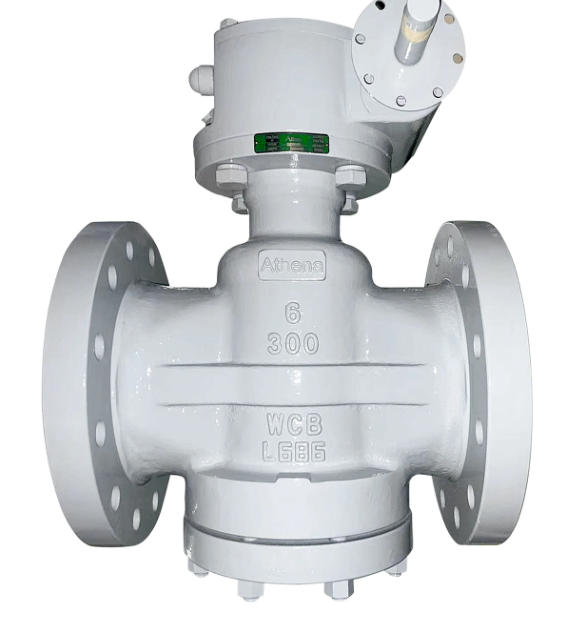
In this type of valve, there is a cone-shaped plug structure. The plug is fixed to the valve body by a gland which secures the plug in place at all times. The gland must be adjusted in order to ensure that the plug is seated properly in the valve body. Aside from its reliable and tight seal capability, it is also very easy to open and close.
Needle Valve
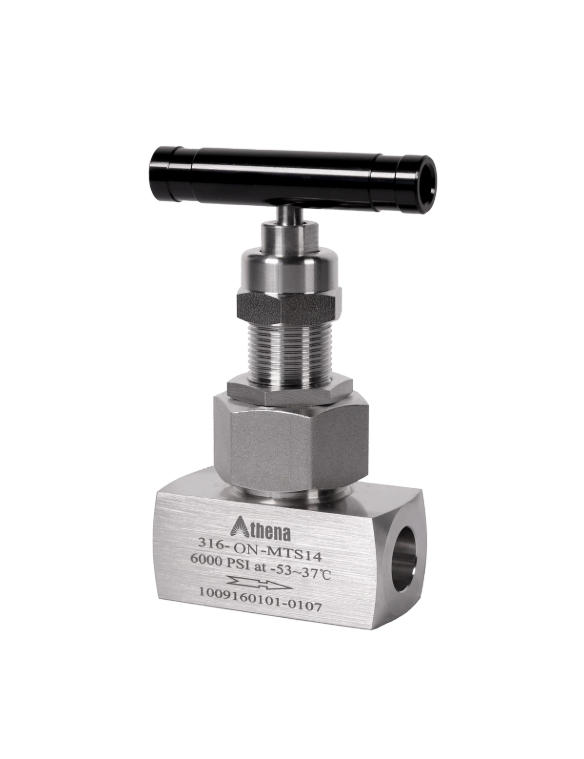
There is a disc used to control the flow of this valve, which is shaped like a needle and has a needle-like shape. The mechanism of the valve is similar to that of a globe valve. However, the needle enables the flow of the fluid to be controlled more precisely. This valve is ideal for vacuum services and is effective in controlling the flow of fluids. The best thing about it is that it doesn't need a lot of maintenance and is ideal for vacuum services.
Safety Valve
With a high pressure system, the pressure relief valve, also known as the safety valve, protects against overpressure. When the pressure in the system drops below the set level, the valve closes, allowing the media to flow from the outlet. A pilot tube passes the fluid through the valve while it is open, and the main valve moves upward.
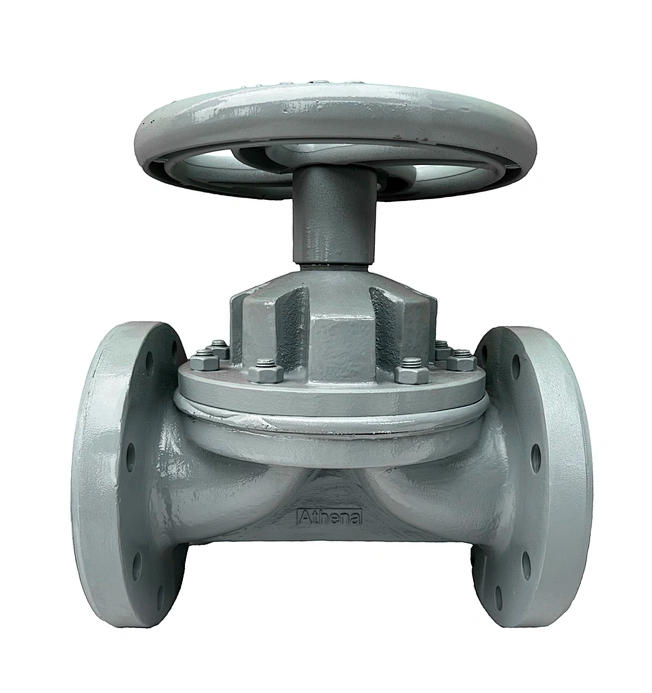
A diaphragm valve is a type of industrial valve designed to control the flow of fluids, particularly in applications where the prevention of contamination and leakage is critical. These valves are recognized by the flexible diaphragm or membrane, typically made of rubber or elastomer, which serves as the sealing element within the valve.
 What Are the Differences Between Forged Valves and Cast Valves?
  Characteristics, Applications and Advantages of Carbon Steel Globe Valves
  Why Are Instrument Valves Indispensable for Industrial Control Systems?
  What is Bi-Directional Valves?
  How Does a Ball Type Check Valve Prevent Pipeline Medium Backflow?
  Selection and Precautions for Natural Gas Valves
  Athena Engineering S.R.L Wraps‑up OGA 2026 Kuala Lumpur
  What is a Gate Valve? What is Its Working Principle?
  T-Type / T-Pattern / Straight Pattern Globe Valve
  Knife Gate Valve vs Wedge Gate Valve: Which Is Better for Your Industrial Piping?
  Cryogenic Ball Valve Comprehensive Product Overview
  Causes and Treatments for Poor Valve Shut‑Off
  Athena Triple Offset Butterfly Valves
  What is the Difference Between Swing Check Valve and NRV? A Complete Explanation
  Common Connection Types of Valves
  5 Piping Design Mistakes That Are Killing Your Valves
  Float Valve: Structure, Principle and Application
  High Pressure Needle Valve High-Precision Fluid Control Valve
  What is a Piston Check Valve?
  Meet Us at OGA 2026 | Booth 6802, Hall 6