
An In-Depth Look at Low Temperature Ball Valves
Low temperature ball valves play a crucial role in numerous industrial applications, particularly in environments where fluids or gases are maintained at exceptionally low temperatures. This article delves into their usage, materials, key features, differences from standard ball valves, connection types, and typical applications. By understanding these aspects, we can appreciate the vital function these valves serve in various industries.

What Are Low Temperature Ball Valves Used For?
Low temperature ball valves are designed to regulate the flow of fluids and gases in applications where the temperature is significantly low. These valves are essential in various industries, including:
- Oil and Gas: Low temperature ball valves are extensively used in controlling the flow of natural gas and other hydrocarbons, especially in cryogenic applications. The oil and gas industry relies on these valves to manage processes involving liquefied gases, ensuring safe and efficient operation even under extreme conditions.
- Petrochemicals: In the petrochemical industry, low temperature ball valves are critical for processes involving ethylene, propylene, and other liquefied gases. These valves help maintain the integrity of the system by providing reliable flow control at low temperatures .
- Pharmaceuticals: The pharmaceutical industry often requires precise control over the production and storage of temperature-sensitive substances. Low temperature ball valves ensure that these processes are carried out effectively, maintaining the required low temperatures to preserve the quality of the products .
- LNG (Liquefied Natural Gas) Plants: LNG plants heavily depend on low temperature ball valves for handling and processing liquefied natural gas. These valves are designed to withstand the extreme cold required to keep natural gas in its liquid state, playing a pivotal role in the LNG industry.
- Chemical Processing: Many chemical processes require low-temperature conditions to proceed correctly. Low temperature ball valves provide the necessary control and reliability in such processes, ensuring that the reactions occur under optimal conditions.
What Materials Are Used in Low Temperature Ball Valves?
The materials used in low temperature ball valves are selected for their ability to perform reliably at low temperatures without becoming brittle. Common materials include:
1. Stainless Steel (304SS and 316SS): Known for its excellent strength and corrosion resistance, stainless steel is a preferred material for low temperature ball valves. It retains its mechanical properties even at cryogenic temperatures, making it suitable for various applications.
2. A351 CF8: A type of cast stainless steel that offers good mechanical properties at low temperatures. This material is often used in the construction of low temperature ball valves to ensure durability and reliability under extreme conditions.
3. PTFE (Polytetrafluoroethylene): PTFE is commonly used for the sealing surfaces of low temperature ball valves due to its low friction, chemical resistance, and ability to maintain sealing performance at low temperatures. This material helps achieve tight shutoff and extends the valve's service life.
These materials ensure that the valves maintain their integrity and functionality even in harsh, low-temperature environments.
What Are the Key Features of Low Temperature Ball Valves?
Low temperature ball valves are engineered with several features to ensure their reliability and efficiency in low-temperature applications:
1. Extended Bonnet: The extended bonnet design helps prevent the stem seal area from freezing, which is crucial in maintaining valve operation in cold environments. This feature ensures that the valve remains functional even when exposed to extremely low temperatures.
2. Anti-Blowout Stem: This feature enhances safety by preventing the stem from being ejected under high-pressure conditions. The anti-blowout stem design is critical for maintaining the integrity of the valve in demanding applications.
3. Automatic Pressure Relief: Automatic pressure relief mechanisms ensure that any excessive pressure build-up within the valve cavity is safely relieved, preventing damage to the valve and the system. This feature is essential for maintaining safe operation in low-temperature environments.
4. Fluoroplastic Sealing Surfaces: Fluoroplastic materials, such as PTFE, provide excellent sealing performance and longevity. These materials maintain their sealing properties at low temperatures, ensuring tight shutoff and reliable operation.
5. Compact Design: The compact design of low temperature ball valves allows for installation in tight spaces without compromising functionality. This feature is particularly beneficial in industrial settings where space is limited.
Full-Bore and Reduced-Bore Options: Full-bore ball valves are used in applications requiring maximum flow with minimal pressure drop, while reduced-bore ball valves are suitable for applications needing precise flow control. This versatility allows for optimal performance in different scenarios.
How Do Low Temperature Ball Valves Differ from Standard Ball Valves?
While standard ball valves and low temperature ball valves share similar basic designs, there are crucial differences that make the latter suitable for low-temperature environments:
1. Material Selection: Low temperature ball valves use materials that can withstand cold temperatures without losing their mechanical properties or becoming brittle. This is a key distinction from standard ball valves, which may not be designed to handle such conditions.
2. Design Features: Low temperature ball valves include specific design features like extended bonnets, anti-blowout stems, and pressure relief mechanisms that address the unique challenges posed by low temperatures. These features are not typically found in standard ball valves.
3. Sealing Materials: The use of PTFE and other fluoroplastics in low temperature ball valves ensures reliable sealing even in cryogenic conditions. Standard ball valves may use different sealing materials that are not suitable for low-temperature applications.
4. Application-Specific Adaptations: Low temperature ball valves are adapted for specific applications requiring extreme cold, such as LNG processing and cryogenic storage. These adaptations make them distinct from standard ball valves, which are generally used in less demanding conditions.
What Types of Connections Are Available for Low Temperature Ball Valves?
Low temperature ball valves come with various connection types to accommodate different installation requirements:
1. Flanged Connections: Flanged connections are commonly used in industrial applications for their ease of installation and maintenance. They provide a secure, leak-proof joint and can be easily disassembled for inspection or repair.
2. Threaded Connections: Threaded connections are suitable for smaller valve sizes and applications where quick assembly and disassembly are needed. They are often used in situations where welding is not feasible or desirable.
3. Welded Connections: Welded connections provide a secure and leak-proof joint, ideal for high-pressure applications and environments where safety is paramount. These connections are commonly used in critical systems where reliability is essential.
Each connection type has its advantages and is selected based on the specific needs of the application. The choice of connection type impacts the ease of installation, maintenance, and overall system reliability.
What Are the Typical Applications for Low Temperature Ball Valves?
Typical applications of low temperature ball valves include:
1. LNG Processing Plants: In LNG plants, low temperature ball valves are essential for handling and controlling the flow of liquefied natural gas. These valves are designed to withstand the extreme cold required to keep natural gas in its liquid state, ensuring safe and efficient operations.
2. Cryogenic Storage Facilities: Low temperature ball valves are used in tanks and pipelines that store and transport cryogenic fluids. These valves maintain reliable flow control and prevent leaks in extremely cold environments.
3. Chemical and Petrochemical Plants: Chemical processes often require low-temperature conditions to proceed correctly. Low temperature ball valves provide the necessary control and reliability in such processes, ensuring that reactions occur under optimal conditions.
4. Pharmaceutical Manufacturing: The production and storage of temperature-sensitive pharmaceutical products require precise temperature control. Low temperature ball valves help maintain the required low temperatures, ensuring the quality and efficacy of the products.
Conclusion
Low temperature ball valves are indispensable in many industrial applications where controlling the flow of fluids and gases at low temperatures is critical. Their unique design features, materials, and connection types ensure they perform reliably and efficiently under harsh conditions.
Athena Engineering S.R.L is a leading supplier of industrial products and engineering services.Headquartered in Italy, Athena has grown from a regional valve & level gauge manufacturer to a global diversified group after years of continuous exploration and innovation. We have four subsidiaries including brand Athena for valve & level gauge,brand GE-STAR for pump, brand ROSITATECH for controlling instruments and brand ASAPHTECH for filtration system.We provide products and services around the world for power, oil & gas, pulp & paper, water & wastewater, mining & metallurgy, food & beverage, process control and automation solutions for the chemical industry, as well as other fields. Contact us to get more details.
 How Does a Ball Type Check Valve Prevent Pipeline Medium Backflow?
  Selection and Precautions for Natural Gas Valves
  Athena Engineering S.R.L Wraps‑up OGA 2026 Kuala Lumpur
  What is a Gate Valve? What is Its Working Principle?
  T-Type / T-Pattern / Straight Pattern Globe Valve
  Knife Gate Valve vs Wedge Gate Valve: Which Is Better for Your Industrial Piping?
  Cryogenic Ball Valve Comprehensive Product Overview
  Causes and Treatments for Poor Valve Shut‑Off
  Athena Triple Offset Butterfly Valves
  What is the Difference Between Swing Check Valve and NRV? A Complete Explanation
  Common Connection Types of Valves
  5 Piping Design Mistakes That Are Killing Your Valves
  Float Valve: Structure, Principle and Application
  High Pressure Needle Valve High-Precision Fluid Control Valve
  What is a Piston Check Valve?
  Meet Us at OGA 2026 | Booth 6802, Hall 6
  What is a Level Gauge? Working Principles, Types and Industrial Applications
 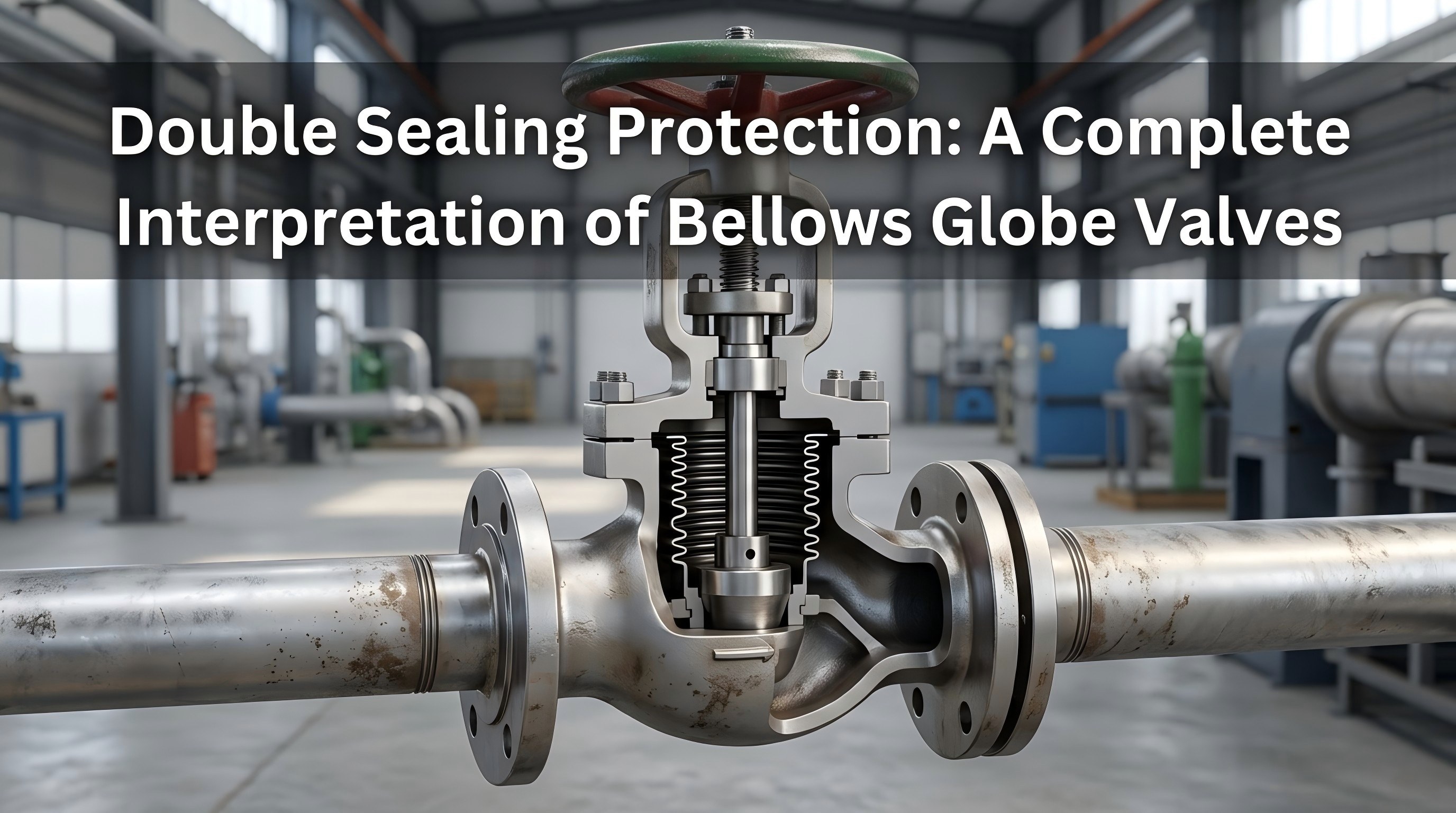 Double Sealing Protection: A Complete Interpretation of Bellows Globe Valves
  End-Suction Pump vs Inline Pumps: Which One Is Right for You?
  Method of Selecting Valve Types Based on Throttling Degree