
Addressing Ball Valve Leakage
author: ATHENA GROUP
2025-10-20
As a professional deeply engaged in the field of fluid control engineering, I have personally witnessed the disruptions caused by ball valve leakage to industrial operations. A leaky ball valve is far more than a mere inconvenience—it poses safety risks, increases operational costs, and hinders efficiency improvements across multiple industries such as chemical processing, oil and gas, and water treatment. This article will explore the root causes, practical impacts, and relevant technical advancements of this critical issue.
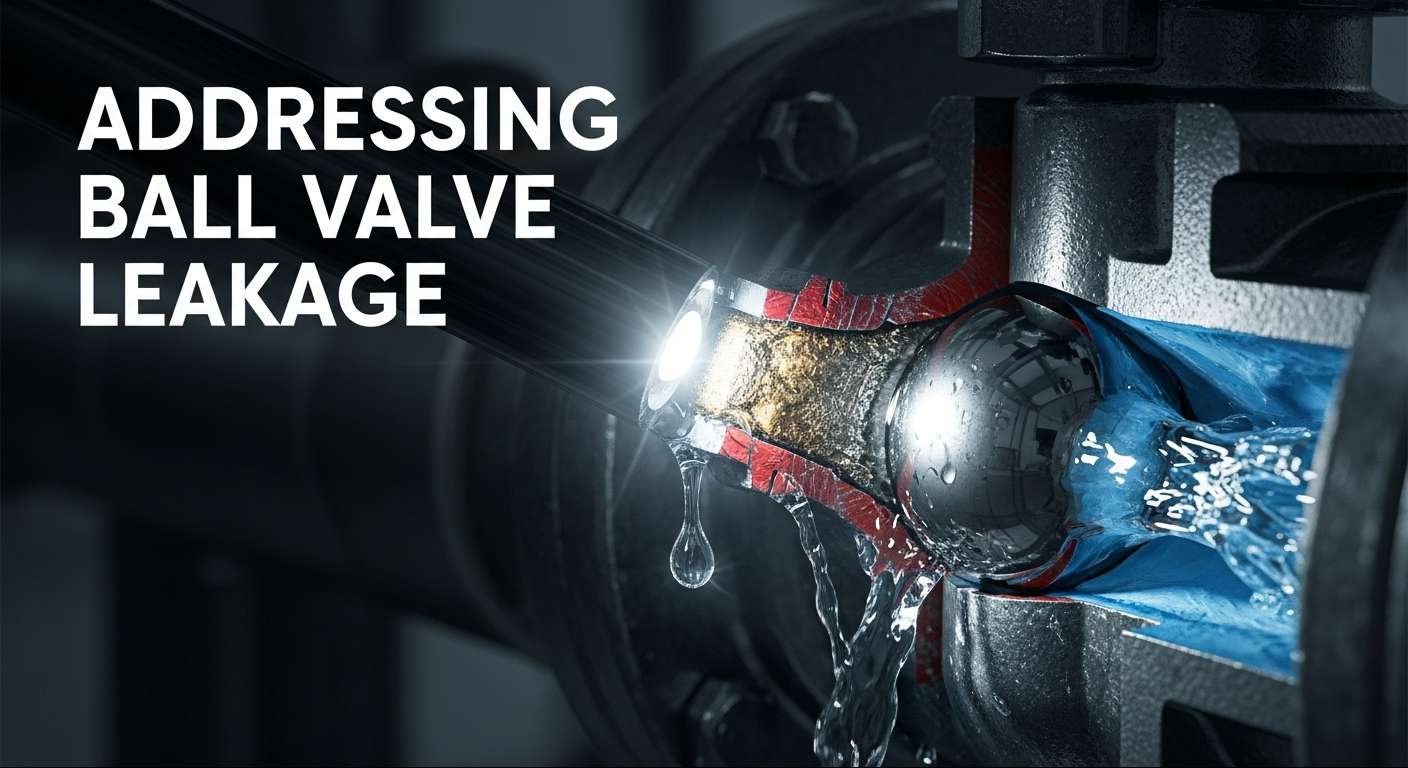
I. The Anatomy of a Leaky Ball Valve
The core function of a ball valve is quite simple: a rotating ball with a through-hole controls fluid flow, and the tight fit between the ball and the valve seat achieves sealing. Ball valve leakage occurs due to seal failure, which is usually related to design flaws or operational stress.
Seal Degradation
The primary sealing components, made of polytetrafluoroethylene (PTFE), rubber, or metal, bear the brunt of wear. In high-temperature environments (above 120°C), standard PTFE loses elasticity, hardens, and develops cracks; corrosive media such as acids or hydrogen sulfide accelerate this process, gradually eroding the sealing material until gaps form. Even metal-to-metal seals are not immune: repeated opening and closing cycles cause micro-abrasions, which over time form leakage channels.
Mechanical Misalignment
The normal operation of a ball valve relies on the precise alignment of the ball, valve seat, and actuator. If the installation deviation is only a few thousandths of a millimeter, the uneven pressure distribution on the sealing surface will exacerbate local wear. Insufficient actuator torque further compounds the problem—failure to fully close the valve leaves tiny gaps that expand with each cycle. A refinery once experienced a 5% drop in pipeline pressure due to valve misalignment, resulting in an annual waste of 1,200 barrels of crude oil.
Environmental Stress
Extreme operating conditions severely test the integrity of valves. Low-temperature applications (such as LNG processing at -162°C) cause metal components to contract, disrupting seal contact; conversely, high-pressure systems (exceeding 1,000 psi) may deform the valve body, distorting the ball's sealing surface. Solid particles in slurries or wastewater act like sandpaper, continuously wearing down the seals and ball surface, ultimately leading to inevitable leakage.

II. The Ripple Effects of Leakage
The consequences of ball valve leakage extend far beyond fluid waste.
- Safety Hazards: In chemical plants, leaks of toxic or flammable substances can trigger explosions or health crises. In 2023, a petrochemical plant in Europe released 500 kg of ethylene oxide due to a valve leak, prompting the evacuation of a 2-mile radius around the facility.
- Regulatory Penalties: Increasingly stringent emission standards (such as the U.S. EPA's Quad O Rule or the EU's Industrial Emissions Directive) impose heavy fines for fugitive emissions. In 2022, a U.S. refinery paid a $2.3 million fine for non-compliant valve emissions.
- Operational Downtime: Unplanned shutdowns to replace leaky valves cost the average plant $50,000 per hour. In the food and beverage industry, downtime during Clean-in-Place (CIP) processes can lead to complete production line disruptions.
III. Technical Solutions to Prevent Leakage
Addressing ball valve leakage requires a combination of material science, engineering design, and predictive maintenance. Below are the main approaches of modern innovative technologies to tackle this problem:
Advanced Seal Materials
- Composite PTFE Blends: Adding carbon fiber or bronze particles to PTFE improves wear resistance by 40% and extends its operating temperature range to -200°C to 350°C. Such blends maintain flexibility in harsh environments, reducing crack formation.
- Elastomer Alloys: Perfluoroelastomers (FFKM) outperform traditional rubbers in chemical resistance, withstanding acids, solvents, and other media at temperatures up to 327°C.
- Coated Metal Seals: In high-pressure applications, seals made of Inconel or Hastelloy with a diamond-like carbon (DLC) coating reduce friction and enhance corrosion resistance, doubling their service life.
Enhanced Valve Design
- Dynamic Pressure Compensation: Integrating springs or Belleville washers into the valve seat design automatically adjusts seal pressure in response to system pressure fluctuations, ensuring stable sealing even during pressure spikes.
- Anti-Cavitation Trim: Improving the geometric structure of the ball and valve seat disrupts the formation of vapor bubbles in high-velocity flows, preventing cavitation erosion that leads to leaks.
- Double Block-and-Bleed (DBB) Configuration: Adopting two independent sealing surfaces achieves redundant sealing, minimizing the risk of ball valve leakage in critical applications such as oil rigs.
Intelligent Monitoring Systems
Sensors integrated into valves real-time monitor temperature, pressure, and vibration data to detect early signs of leakage. AI-based platforms analyze data in real time, alerting operators before problems escalate. Predictive maintenance algorithms can even schedule repairs during planned downtime, avoiding emergencies.
Proper Installation and Maintenance
- Torque Calibration: Actuators must be calibrated to apply precise closing force—too little force creates gaps, while too much accelerates wear.
- Regular Inspections: Ultrasonic or thermal imaging detection technologies identify micro-leaks invisible to the naked eye. In corrosive environments, it is recommended to replace seals annually even if no obvious leaks are detected.
- Material Matching: Selecting valves based on fluid properties is crucial. For example, duplex stainless steel valves resist sulfide stress cracking in sour gas applications, while Hastelloy valves excel at handling strong acids.
IV. Case Studies: Effective Leakage Mitigation
- Pharmaceutical Plant: Switching to sanitary ball valves with PTFE-silicone composite seals eliminated product contamination caused by leaks during vaccine production, increasing batch qualification rates by 12%.
- Wastewater Treatment Plant: Installing anti-clog ball valves with self-cleaning seats reduced debris-induced leaks, cutting annual maintenance costs by $80,000.
V. Key Factors for Selecting Leak-Proof Ball Valves
Selecting leak-resistant ball valves requires considering the following:
- Fluid Properties: Corrosiveness, viscosity, and particle content determine material selection.
- Operating Conditions: Temperature, pressure, and cycle frequency influence the design of seals and valve bodies.
- Regulatory Requirements: Fugitive emission standards (such as ISO 15848-1) may mandate the use of metal-seated valves or the installation of emission monitoring equipment.
Ball valve leakage is a solvable problem, but it requires advance planning. By combining reliable valve design, high-quality materials, and intelligent maintenance, industries can minimize risks, reduce costs, and ensure safe and efficient operations.
For enterprises seeking customized solutions, technical consulting firms including Athena Engineering S.R.L. offer professional services in valve selection and system optimization, helping identify leakage hotspots and implement long-term solutions.
For enterprises seeking customized solutions, technical consulting firms including Athena Engineering S.R.L. offer professional services in valve selection and system optimization, helping identify leakage hotspots and implement long-term solutions.
 How Does a Ball Type Check Valve Prevent Pipeline Medium Backflow?
  Selection and Precautions for Natural Gas Valves
  Athena Engineering S.R.L Wraps‑up OGA 2026 Kuala Lumpur
  What is a Gate Valve? What is Its Working Principle?
  T-Type / T-Pattern / Straight Pattern Globe Valve
  Knife Gate Valve vs Wedge Gate Valve: Which Is Better for Your Industrial Piping?
  Cryogenic Ball Valve Comprehensive Product Overview
  Causes and Treatments for Poor Valve Shut‑Off
  Athena Triple Offset Butterfly Valves
  What is the Difference Between Swing Check Valve and NRV? A Complete Explanation
  Common Connection Types of Valves
  5 Piping Design Mistakes That Are Killing Your Valves
  Float Valve: Structure, Principle and Application
  High Pressure Needle Valve High-Precision Fluid Control Valve
  What is a Piston Check Valve?
  Meet Us at OGA 2026 | Booth 6802, Hall 6
  What is a Level Gauge? Working Principles, Types and Industrial Applications
 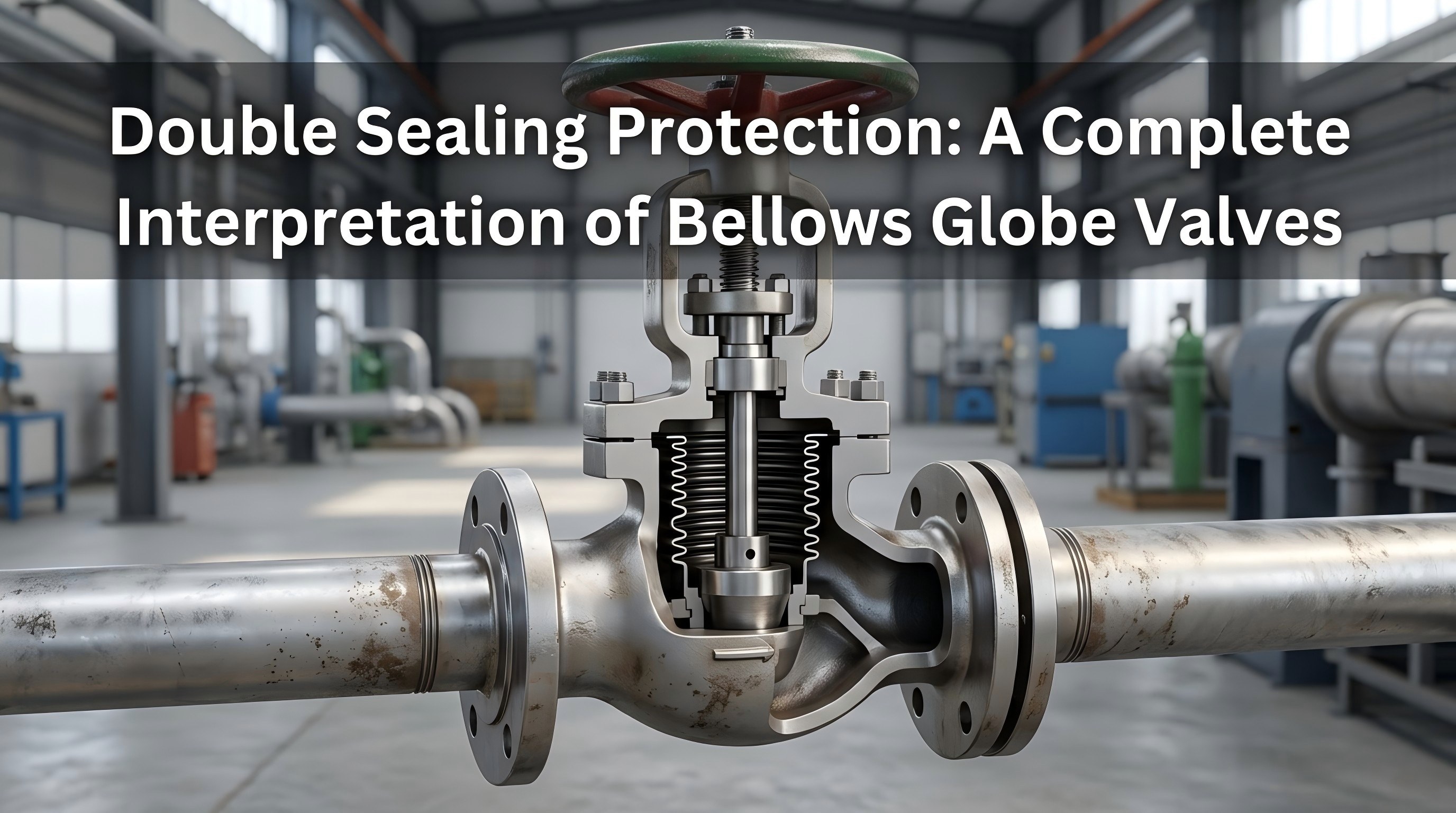 Double Sealing Protection: A Complete Interpretation of Bellows Globe Valves
  End-Suction Pump vs Inline Pumps: Which One Is Right for You?
  Method of Selecting Valve Types Based on Throttling Degree