
A Comprehensive Guide to Understand Liquid Level Gauges

In the vast landscape of industrial instrumentation, liquid level gauges play a crucial role in monitoring and controlling various processes. As one of the essential components in industrial settings, liquid level gauges enable operators to accurately measure the level of liquids within tanks, vessels, or pipelines. In this comprehensive guide, we delve into the intricacies of liquid level gauges, exploring their components, applications, working principles, and the importance of choosing the right gauge for specific needs.
Introducing Athena Engineering S.R.L: A Leader in Industrial Solutions
Before delving into the specifics of liquid level gauges, it's imperative to introduce Athena Engineering S.R.L, a renowned supplier of industrial products and engineering services. Headquartered in Italy, Athena Engineering has established itself as a global leader in providing comprehensive solutions across various industries. With a diverse portfolio encompassing valve and level gauge systems under the brand Athena, pumps under the brand GE-STAR, controlling instruments under the brand ROSITATECH, and filtration systems under the brand ASAPHTECH, Athena Engineering caters to a wide array of sectors including power, oil & gas, pulp & paper, water & wastewater, mining & metallurgy, and food & beverage.
What is a Liquid Level Gauge?
At its core, a liquid level gauge is an instrument designed to measure and monitor the level of liquid substances within tanks, vessels, or pipelines. Whether it's water, oil, chemicals, or other fluids, accurate level measurement is critical for maintaining operational efficiency, safety, and regulatory compliance in industrial processes. Liquid level gauges come in various forms and configurations, each tailored to specific applications and operating conditions.
What does a liquid level gauge consist of?
A typical liquid level gauge comprises several key components, each contributing to its functionality and reliability:
- Body: The main housing of the gauge, typically made of durable materials such as stainless steel or glass-reinforced plastic, provides structural support and protection for internal components.
- Indicator: This component visually displays the liquid level, often through a transparent or translucent section of the gauge body. Indicators may feature graduated markings or digital displays for precise measurement.
- Float: In float-operated gauges, a buoyant float follows the liquid surface, transmitting the level information to the indicator through mechanical linkages or magnetic coupling.
- Wetted Components: These are the parts of the gauge that come in direct contact with the liquid being measured. They must be compatible with the chemical properties of the fluid to ensure accurate and reliable measurements.
- Valves and Fittings: To facilitate installation, maintenance, and safety, liquid level gauges may incorporate valves, fittings, and sealing mechanisms.
- Mounting Hardware: Depending on the application, liquid level gauges can be mounted vertically, horizontally, or at specific angles using brackets, flanges, or other mounting hardware.
What is a level gauge used for?
Liquid level gauges find widespread use across various industries and applications, including:
- Oil and Gas: Monitoring the level of crude oil, refined products, and chemicals in storage tanks and pipelines.
- Chemical Processing: Ensuring precise level control in reactors, distillation columns, and storage vessels to optimize production efficiency and safety.
- Water Treatment: Monitoring water levels in reservoirs, water towers, and treatment facilities to maintain adequate supply and prevent overflows or shortages.
- Food and Beverage: Controlling liquid levels in mixing tanks, fermentation vessels, and storage silos during the production of beverages, dairy products, and processed foods.
- Power Generation: Monitoring water levels in boilers, condensers, and cooling towers to ensure efficient steam generation and heat exchange processes.
How Does a Liquid Level Gauge Work?
The operation of a liquid level gauge depends on its specific design and principle of operation. However, the basic working principle involves the detection and indication of the liquid level relative to a reference point. Common methods include:
- Float-operated Gauges: These gauges utilize buoyant floats that rise and fall with the liquid level. The movement of the float is transmitted to the indicator through mechanical linkages or magnetic coupling, providing a visual indication of the level.
- Transparent Sight Glasses: In sight glass gauges, a transparent or translucent section of the gauge body allows direct visual observation of the liquid level. Graduated markings or digital displays may be incorporated for accurate measurement.
- Ultrasonic and Radar Sensors: Advanced level measurement technologies such as ultrasonic sensors and radar transmitters utilize sound waves or electromagnetic waves to detect the liquid level without direct contact with the fluid.
- Pressure-based Systems: Differential pressure gauges measure the hydrostatic pressure exerted by the liquid column to infer the level. This method is commonly used in closed vessels and pressurized systems.
Why Use a Liquid Filled Gauge?
In certain applications, liquid-filled gauges offer distinct advantages over dry gauges. The primary benefits include:
- Vibration Damping: The presence of a liquid fill reduces pointer oscillations caused by mechanical vibrations, resulting in a more stable and readable indication.
- Shock Absorption: Liquid-filled gauges are better equipped to withstand sudden shocks or pressure spikes, protecting internal components and prolonging gauge life.
- Enhanced Lubrication: The liquid fill lubricates internal moving parts, reducing friction and wear, thereby extending the operational lifespan of the gauge.
- Improved Visibility: The liquid fill helps to dampen the effects of condensation and fogging on the gauge lens, ensuring clear visibility of the level indication in harsh environments.
- Temperature Compensation: Certain liquid fills, such as glycerin or silicone oil, provide thermal stability and compensate for temperature fluctuations, ensuring accurate readings across a wide range of operating conditions.
What are the technical difficulties of producing a liquid level gauge?
While liquid level gauges offer significant benefits, their design and manufacture present several technical challenges:
- Compatibility: Selecting materials that are compatible with a wide range of fluids, including corrosive chemicals, hydrocarbons, and high-temperature liquids, requires careful consideration and testing.
- Sealing: Ensuring leak-tight seals and gaskets to prevent fluid leakage or ingress, especially in hazardous or pressurized applications, demands precise machining and assembly techniques.
- Accuracy and Calibration: Achieving accurate and repeatable measurements across varying operating conditions requires rigorous calibration and testing procedures, as well as adherence to relevant industry standards.
- Environmental Factors: Designing gauges that can withstand extreme temperatures, pressures, and environmental conditions, such as exposure to corrosive atmospheres or abrasive materials, poses significant challenges in material selection and protection.
- Safety Compliance: Meeting stringent safety regulations and standards, particularly in industries such as oil and gas, requires thorough design analysis, testing, and certification processes.
How to choose the right liquid level gauge?
Selecting the appropriate liquid level gauge for a specific application requires careful consideration of several factors:
- Operating Environment: Evaluate the temperature, pressure, chemical compatibility, and environmental conditions to ensure the chosen gauge can withstand the application requirements.
- Measurement Range and Accuracy: Determine the desired measurement range and accuracy based on the process requirements and level control objectives.
- Mounting and Installation: Consider the available space, mounting orientation, and accessibility for installation, maintenance, and calibration purposes.
- Material Selection: Choose materials that are compatible with the fluid being measured and capable of with standing the operating conditions, including corrosion resistance, temperature resistance, and mechanical strength.
- Type of Measurement: Select the appropriate measurement method based on the specific application, whether it's float-operated, sight glass, ultrasonic, radar, or pressure-based measurement.
- Safety and Regulatory Compliance: Ensure that the chosen liquid level gauge complies with relevant industry standards and safety regulations, particularly in hazardous or regulated environments.
- Cost and Lifecycle Considerations: Evaluate the initial cost, maintenance requirements, and expected lifespan of the gauge to determine the most cost-effective solution for long-term operation.
- Supplier Reliability: Partner with a reputable supplier like Athena Engineering S.R.L, known for delivering high-quality, reliable products and excellent customer support.
Conclusion
In conclusion, liquid level gauges are indispensable instruments in various industrial processes, providing critical monitoring and control capabilities for liquid level measurement. Whether it's ensuring efficient operation, optimizing production processes, or maintaining safety and regulatory compliance, the right liquid level gauge plays a crucial role in achieving operational excellence.
As a leading supplier of industrial products and engineering services, Athena Engineering S.R.L stands at the forefront of innovation and quality in the field of liquid level gauges. With a comprehensive portfolio of products and a commitment to customer satisfaction, Athena Engineering continues to empower industries worldwide with reliable and efficient solutions for their liquid level measurement needs. By understanding the components, applications, working principles, and selection criteria outlined in this guide, industrial operators can make informed decisions and choose the right liquid level gauge to meet their specific requirements, ensuring smooth and efficient operations across diverse applications and industries.
 How Does a Ball Type Check Valve Prevent Pipeline Medium Backflow?
  Selection and Precautions for Natural Gas Valves
  Athena Engineering S.R.L Wraps‑up OGA 2026 Kuala Lumpur
  What is a Gate Valve? What is Its Working Principle?
  T-Type / T-Pattern / Straight Pattern Globe Valve
  Knife Gate Valve vs Wedge Gate Valve: Which Is Better for Your Industrial Piping?
  Cryogenic Ball Valve Comprehensive Product Overview
  Causes and Treatments for Poor Valve Shut‑Off
  Athena Triple Offset Butterfly Valves
  What is the Difference Between Swing Check Valve and NRV? A Complete Explanation
  Common Connection Types of Valves
  5 Piping Design Mistakes That Are Killing Your Valves
  Float Valve: Structure, Principle and Application
  High Pressure Needle Valve High-Precision Fluid Control Valve
  What is a Piston Check Valve?
  Meet Us at OGA 2026 | Booth 6802, Hall 6
  What is a Level Gauge? Working Principles, Types and Industrial Applications
 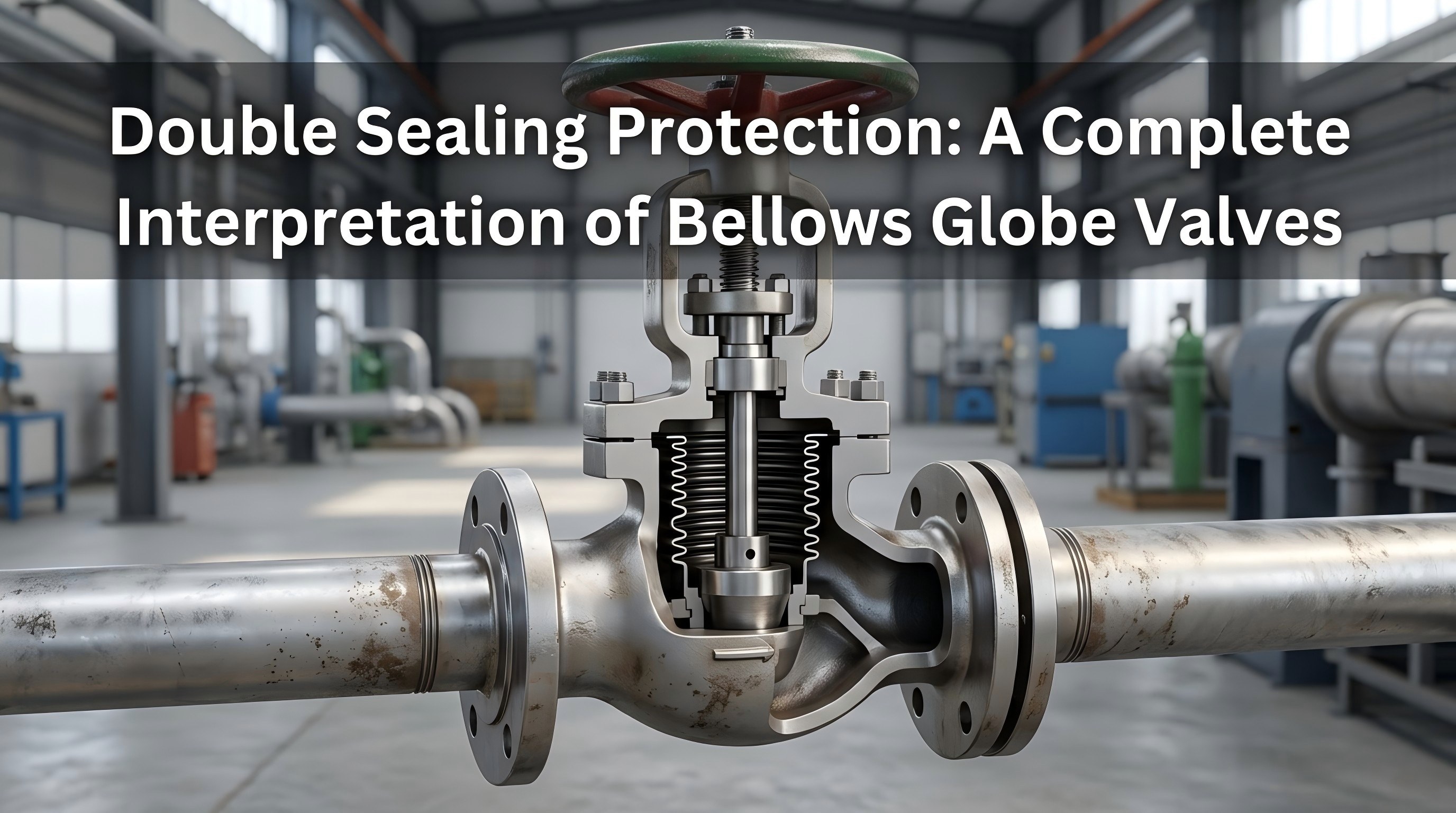 Double Sealing Protection: A Complete Interpretation of Bellows Globe Valves
  End-Suction Pump vs Inline Pumps: Which One Is Right for You?
  Method of Selecting Valve Types Based on Throttling Degree