
A Comprehensive Guide to Piston Lift Type Check Valves

Piston lift type check valves play a crucial role in various industrial applications by preventing backflow and ensuring unidirectional fluid flow. These valves are known for their robust design, high efficiency, and durability. This article aims to address the most common questions and concerns users have about piston lift type check valves, covering their working principle, benefits, applications, selection criteria, installation, and maintenance.
What is a Piston Lift Type Check Valve?
A piston lift type check valve is a non-return valve that allows fluid to flow in one direction while preventing reverse flow. The valve operates using a piston that lifts to allow flow when the fluid pressure is sufficient and drops back onto a seat to block reverse flow when the pressure decreases or reverses. This simple yet effective mechanism ensures reliable backflow prevention.
The primary components of a piston lift type check valve include:
Valve Body: Encases the internal components and connects to the pipeline.
Piston: Moves up and down to open or close the valve.
Valve Seat: Provides a seal for the piston when in the closed position.
Spring: In some designs, a spring helps the piston return to the closed position.
Benefits of Piston Lift Type Check Valves
High Efficiency and Reliability
Piston lift type check valves are known for their high efficiency and reliability. The precision-engineered piston and seat ensure a tight seal, preventing any backflow and maintaining system integrity.
These valves are typically made from robust materials such as stainless steel, which resist corrosion and wear. This results in a long service life, even in harsh operating conditions.
The straightforward design of piston lift type check valves means they require minimal maintenance. Regular inspections and occasional cleaning are usually sufficient to keep them functioning optimally.
Applications of Piston Lift Type Check Valves
Industrial Processes
In industrial processes, piston lift type check valves are used to prevent backflow in pipelines carrying liquids, gases, and slurries. They are particularly useful in applications where reliable backflow prevention is critical to maintaining process efficiency and safety.
Water Treatment Systems
These valves are essential in water treatment systems, where they prevent contaminated water from flowing back into clean water supplies. Their durability and resistance to corrosion make them ideal for use in water and wastewater management.
Oil and Gas Industry
In the oil and gas industry, piston lift type check valves are used in various applications, including drilling, production, and refining processes. They provide reliable backflow prevention in high-pressure and high-temperature environments.
HVAC Systems
In heating, ventilation, and air conditioning (HVAC) systems, piston lift type check valves help maintain proper flow direction and prevent backflow, which can damage equipment and reduce system efficiency.
Selecting the Right Piston Lift Type Check Valve
Understanding Application Requirements
When selecting a piston lift type check valve, it is crucial to understand the specific requirements of your application. Consider factors such as the type of fluid, operating pressure, temperature, and flow rate.
Material Selection
Choose a valve made from materials that are compatible with the fluid and operating conditions. Common materials include stainless steel, bronze, and various plastics, each offering different levels of corrosion resistance and durability.
Pressure and Temperature Ratings
Ensure the valve you select can handle the maximum operating pressure and temperature of your system. Check the manufacturer's specifications to verify the valve's ratings.
Size and Connection Type
Select a valve size and connection type that match your pipeline system. Common connection types include threaded, flanged, and welded connections.
Installation of Piston Lift Type Check Valves
Pre-Installation Checks
Before installing a piston lift type check valve, inspect the valve and pipeline for any debris or damage. Ensure that the valve is clean and free from any obstructions.
Proper Orientation
Install the valve in the correct orientation, following the flow direction indicated on the valve body. Incorrect installation can lead to malfunction and reduced efficiency.
Secure Connections
Use appropriate tools and techniques to secure the valve connections. Avoid overtightening, which can damage the valve or pipeline.
Testing
After installation, test the valve to ensure it operates correctly. Check for leaks and verify that the piston moves freely to allow and block flow as intended.
Maintenance of Piston Lift Type Check Valves
Regular Inspections
Perform regular inspections to check for signs of wear, corrosion, or damage. Pay particular attention to the piston and seat, as these components are critical to the valve's performance.
Cleaning
Periodically clean the valve to remove any debris or buildup that could affect its operation. Follow the manufacturer's recommendations for cleaning procedures.
Lubrication
Some piston lift type check valves may require lubrication of moving parts to ensure smooth operation. Use appropriate lubricants as specified by the manufacturer.
Troubleshooting Common Issues
Leakage
If the valve is leaking, inspect the piston and seat for damage or wear. Replace any damaged components to restore a proper seal.
Sticking Piston
If the piston is sticking, it may be due to debris or corrosion. Clean the valve thoroughly and check for any obstructions that could impede the piston's movement.
Noise
Unusual noises during operation may indicate turbulent flow or internal damage. Investigate the cause and address any issues to prevent further damage.
Conclusion
Piston lift type check valves are essential components in many industrial systems, providing reliable backflow prevention and maintaining system integrity. By understanding their working principle, benefits, applications, and maintenance requirements, you can ensure optimal performance and longevity of these valves in your system.
Whether you are in the oil and gas industry, water treatment, HVAC systems, or any other sector that requires reliable fluid control, selecting the right piston lift type check valve is crucial. Proper installation and regular maintenance will keep your valves functioning efficiently, minimizing downtime and maximizing the productivity of your operations.
For any further questions or technical support, feel free to contact us. Our team of experts is always ready to assist you in choosing, installing, and maintaining the best piston lift type check valves for your specific needs.
At Athena Engineering S.R.L., we offer a comprehensive range of high-quality products, including our renowned non return valve SS. Our products are meticulously designed and manufactured to meet the highest standards of durability, reliability, and performance. By choosing Athena Engineering S.R.L., you can be confident that you are investing in products that will deliver exceptional results and stand the test of time.
 How Does a Ball Type Check Valve Prevent Pipeline Medium Backflow?
  Selection and Precautions for Natural Gas Valves
  Athena Engineering S.R.L Wraps‑up OGA 2026 Kuala Lumpur
  What is a Gate Valve? What is Its Working Principle?
  T-Type / T-Pattern / Straight Pattern Globe Valve
  Knife Gate Valve vs Wedge Gate Valve: Which Is Better for Your Industrial Piping?
  Cryogenic Ball Valve Comprehensive Product Overview
  Causes and Treatments for Poor Valve Shut‑Off
  Athena Triple Offset Butterfly Valves
  What is the Difference Between Swing Check Valve and NRV? A Complete Explanation
  Common Connection Types of Valves
  5 Piping Design Mistakes That Are Killing Your Valves
  Float Valve: Structure, Principle and Application
  High Pressure Needle Valve High-Precision Fluid Control Valve
  What is a Piston Check Valve?
  Meet Us at OGA 2026 | Booth 6802, Hall 6
  What is a Level Gauge? Working Principles, Types and Industrial Applications
 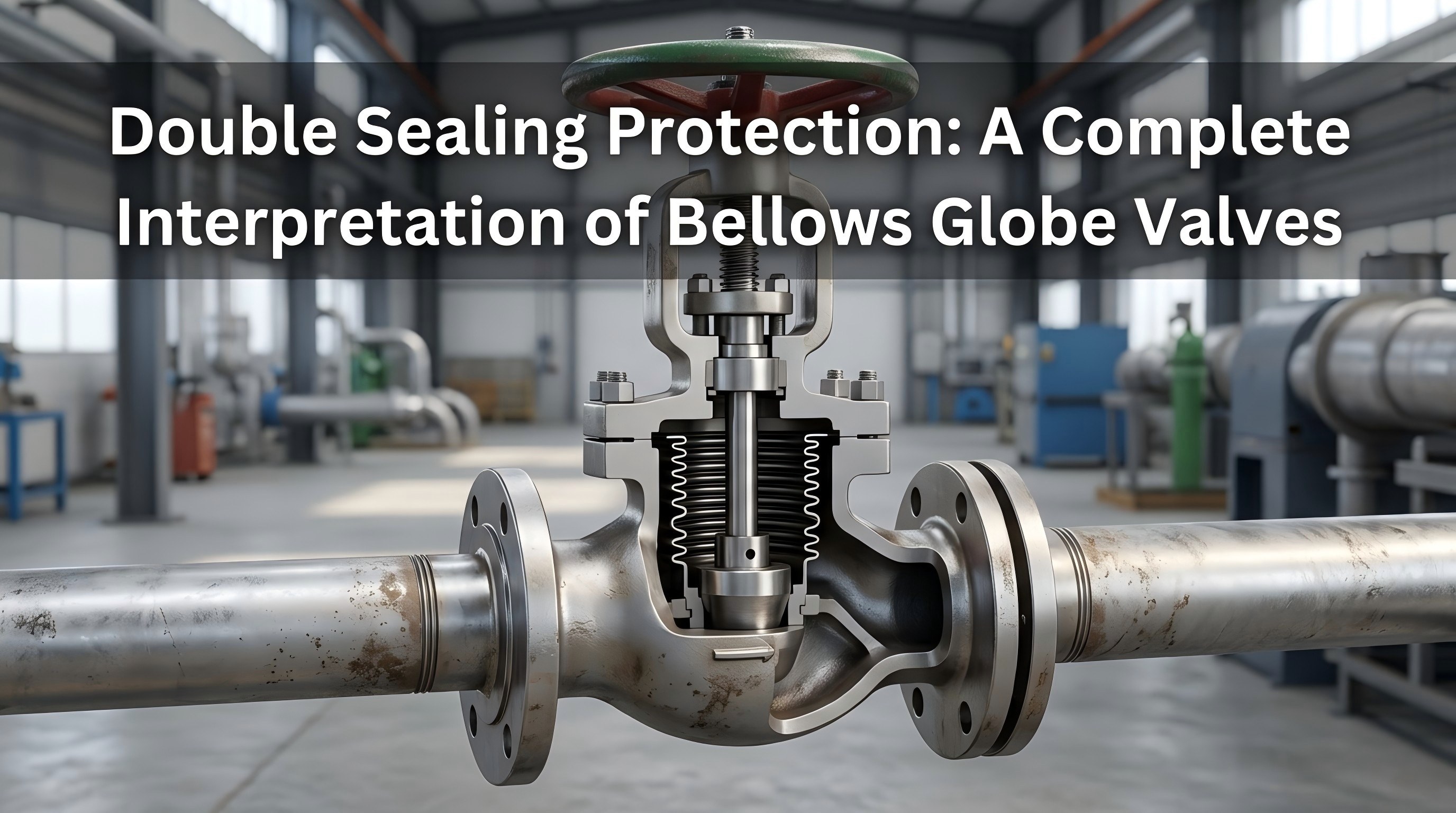 Double Sealing Protection: A Complete Interpretation of Bellows Globe Valves
  End-Suction Pump vs Inline Pumps: Which One Is Right for You?
  Method of Selecting Valve Types Based on Throttling Degree