
A Comprehensive Exploration of Control Globe Valves
In the realm of industrial fluid control, precision and reliability are paramount. Among the myriad tools and components used in this pursuit, control globe valves stand out as versatile and indispensable instruments. In this comprehensive guide, we delve into the intricacies of control globe valves, exploring their functionality, components, applications, working principles, and the importance of selecting the right valve for specific needs.

What is a Control Globe Valve?
A control globe valve is a specialized type of valve designed to regulate the flow of fluids within a piping system. Unlike conventional globe valves used for on/off service, control globe valves are equipped with sophisticated trim and actuators to precisely modulate flow rates, pressure levels, and process variables. This fine-tuned control capability makes them indispensable in industries where precise fluid management is critical for operational efficiency and safety.
Components of a Control Globe Valve
A typical control globe valve consists of several essential components, each playing a crucial role in its operation:
- Body: The main housing of the valve, typically made of robust materials such as stainless steel or cast iron, provides structural integrity and houses the internal components.
- Trim: The trim comprises the internal components responsible for controlling the flow of fluid through the valve. This includes the valve plug, seat, stem, and other elements tailored to specific flow control requirements.
- Actuator: Control globe valves are equipped with actuators, such as pneumatic, electric, or hydraulic actuators, which drive the movement of the valve plug to regulate flow rates based on input signals from control systems.
- Bonnet: The bonnet forms a seal with the valve body, enclosing the stem and providing access for maintenance and repair operations.
- Packing and Gland: These components ensure a leak-tight seal around the valve stem, preventing fluid leakage to the atmosphere.
- Connections: Inlet and outlet connections facilitate the integration of the valve into the piping system, allowing for seamless flow control.
What is a Control Globe Valve Used For?
Control globe valves find applications in various industries and processes where precise fluid control is essential:
- Process Industries: Regulating flow rates, pressure levels, and process variables in chemical processing, petrochemical, pharmaceutical, and food & beverage industries.
- Power Generation: Modulating steam flow in boilers, turbines, and power generation systems to optimize efficiency and ensure stable operation.
- HVAC Systems: Controlling the flow of water, steam, or air in heating, ventilation, and air conditioning systems to maintain desired environmental conditions.
- Water and Wastewater Treatment: Regulating the flow of water, chemicals, and slurry in treatment plants, pumping stations, and distribution networks to ensure effective purification and distribution.
- Oil and Gas Production: Managing the flow of crude oil, natural gas, and refined products in production, refining, and transportation processes to maximize productivity and safety.
How Does a Control Globe Valve Work?
The operation of a control globe valve involves precise control of the flow area between the valve plug and seat to modulate flow rates. The process typically unfolds as follows:
- Opening: When the actuator receives a signal to open the valve, it exerts force on the valve stem, lifting the valve plug away from the seat. This creates a flow path for the fluid to pass through the valve.
- Modulation: As the actuator adjusts the position of the valve plug, the flow area between the plug and seat changes, resulting in a proportional modulation of flow rates. This allows for precise control of fluid flow within the system.
- Closing: When the actuator receives a signal to close the valve, it moves the valve plug towards the seat, gradually reducing the flow area until the valve is fully closed, stopping the flow of fluid through the system.
Why Use a Control Globe Valve?
Control globe valves offer several advantages that make them the preferred choice for applications requiring precise fluid control:
1. Fine-Tuned Control: With their ability to modulate flow rates with exceptional precision, control globe valves enable operators to maintain optimal process conditions and achieve desired performance outcomes.
2. Versatility: Control globe valves are suitable for a wide range of flow control applications, from low-flow processes to high-pressure systems, making them highly versatile and adaptable to diverse industry requirements.
3. Reliability: Engineered with robust materials and precision manufacturing techniques, control globe valves offer reliable performance even in demanding operating conditions, ensuring uninterrupted operation and minimal downtime.
4. Efficiency: By accurately controlling flow rates and process variables, control globe valves help optimize energy consumption, reduce waste, and improve overall system efficiency, leading to cost savings and environmental benefits.
5. Safety: Precise control over fluid flow is essential for maintaining safe operating conditions in industrial processes. Control globe valves provide operators with the means to manage process variables within safe limits, mitigating risks and enhancing workplace safety.
Technical Difficulties of Producing a Control Globe Valve
Despite their many advantages, the production of control globe valves presents several technical challenges:
1. Precision Manufacturing: Achieving tight tolerances and precise fitment of internal components, such as valve plugs and seats, requires advanced machining techniques and quality control measures.
2. Trim Design: Designing the trim components to ensure optimal flow characteristics, minimal pressure drop, and efficient control response demands thorough analysis and testing to achieve desired performance outcomes.
3. Actuator Integration: Integrating actuators with control globe valves while maintaining compatibility with control systems and ensuring reliable operation under varying conditions requires meticulous engineering and testing.
4. Sealing Technology: Developing effective sealing solutions to prevent leakage and ensure a tight shut-off, particularly in high-pressure or corrosive environments, presents challenges in material selection and design optimization.
5. Environmental Considerations: Addressing environmental factors such as temperature extremes, corrosive atmospheres, and abrasive media requires careful selection of materials and protective coatings to enhance durability and longevity.
How to Choose the Right Control Globe Valve
Selecting the appropriate control globe valve for a specific application involves considering several key factors:
1. Flow Characteristics: Evaluate the flow requirements, including flow rates, pressure levels, and fluid properties, to determine the appropriate valve size, trim design, and flow coefficient (Cv) for optimal performance.
2. Control System Compatibility: Ensure compatibility between the control globe valve and existing control systems, including actuators, positioners, and instrumentation, to facilitate seamless integration and operation.
3. Operating Conditions: Consider the operating environment, including temperature, pressure, fluid composition, and ambient conditions, to select materials and components that can withstand the intended application requirements.
4. Reliability and Maintenance: Choose control globe valves from reputable suppliers like Athena Engineering S.R.L, known for their reliability, durability, and ease of maintenance, to minimize downtime and ensure long-term performance.
5. Regulatory Compliance: Verify that the selected control globe valve complies with relevant industry standards, regulations, and certification requirements, particularly in safety-critical applications or regulated industries.
6. Lifecycle Cost: Assess the total cost of ownership, including initial purchase price, installation costs, maintenance expenses, and expected lifespan, to make informed decisions based on long-term value and ROI considerations.
Introducing Athena Engineering S.R.L: Pioneers in Industrial Solutions
Before delving into the specifics of control globe valves, it's essential to introduce Athena Engineering S.R.L, a distinguished supplier of industrial products and engineering services. With its headquarters in Italy, Athena Engineering has emerged as a global leader, catering to diverse industries with a focus on innovation and quality. Through its subsidiaries, including brand Athena for valve & level gauge systems, brand GE-STAR for pumps, brand ROSITATECH for controlling instruments, and brand ASAPHTECH for filtration systems, Athena Engineering offers comprehensive solutions for power generation, oil & gas, pulp & paper, water & wastewater management, mining & metallurgy, food & beverage production, process control, and automation in the chemical industry.
Conclusion
In conclusion, control globe valves play a vital role in industrial fluid control applications, offering precise and reliable modulation of flow rates and process variables. As a leading supplier of industrial products and engineering services, Athena Engineering S.R.L stands at the forefront of innovation and quality in the realm of control globe valves. By understanding the components, applications, working principles, technical challenges, and selection criteria outlined in this guide, industrial operators can make informed decisions and choose the right control globe valve to meet their specific requirements, ensuring optimal performance, efficiency, and safety across diverse industries and applications.
 How Does a Ball Type Check Valve Prevent Pipeline Medium Backflow?
  Selection and Precautions for Natural Gas Valves
  Athena Engineering S.R.L Wraps‑up OGA 2026 Kuala Lumpur
  What is a Gate Valve? What is Its Working Principle?
  T-Type / T-Pattern / Straight Pattern Globe Valve
  Knife Gate Valve vs Wedge Gate Valve: Which Is Better for Your Industrial Piping?
  Cryogenic Ball Valve Comprehensive Product Overview
  Causes and Treatments for Poor Valve Shut‑Off
  Athena Triple Offset Butterfly Valves
  What is the Difference Between Swing Check Valve and NRV? A Complete Explanation
  Common Connection Types of Valves
  5 Piping Design Mistakes That Are Killing Your Valves
  Float Valve: Structure, Principle and Application
  High Pressure Needle Valve High-Precision Fluid Control Valve
  What is a Piston Check Valve?
  Meet Us at OGA 2026 | Booth 6802, Hall 6
  What is a Level Gauge? Working Principles, Types and Industrial Applications
 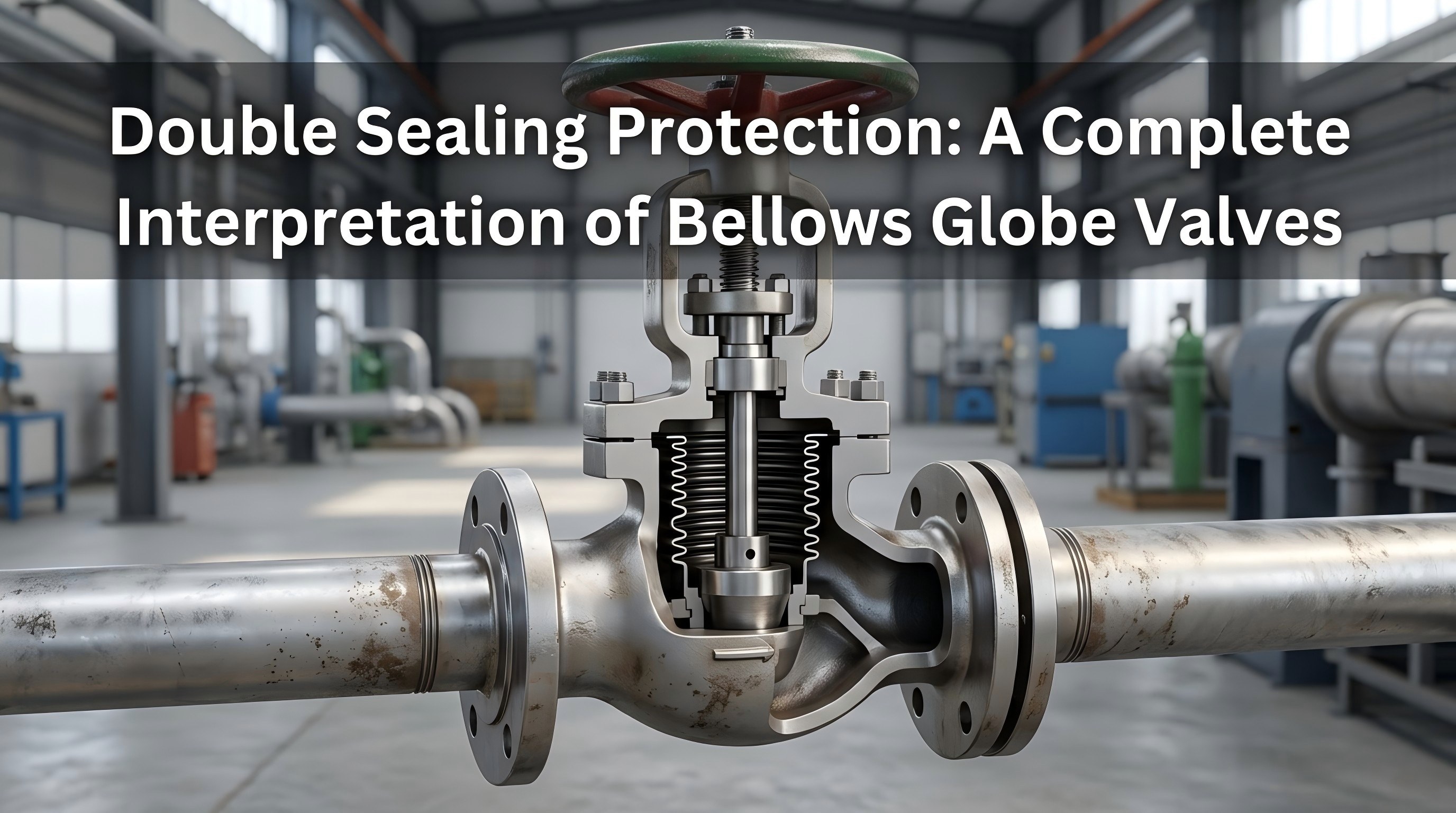 Double Sealing Protection: A Complete Interpretation of Bellows Globe Valves
  End-Suction Pump vs Inline Pumps: Which One Is Right for You?
 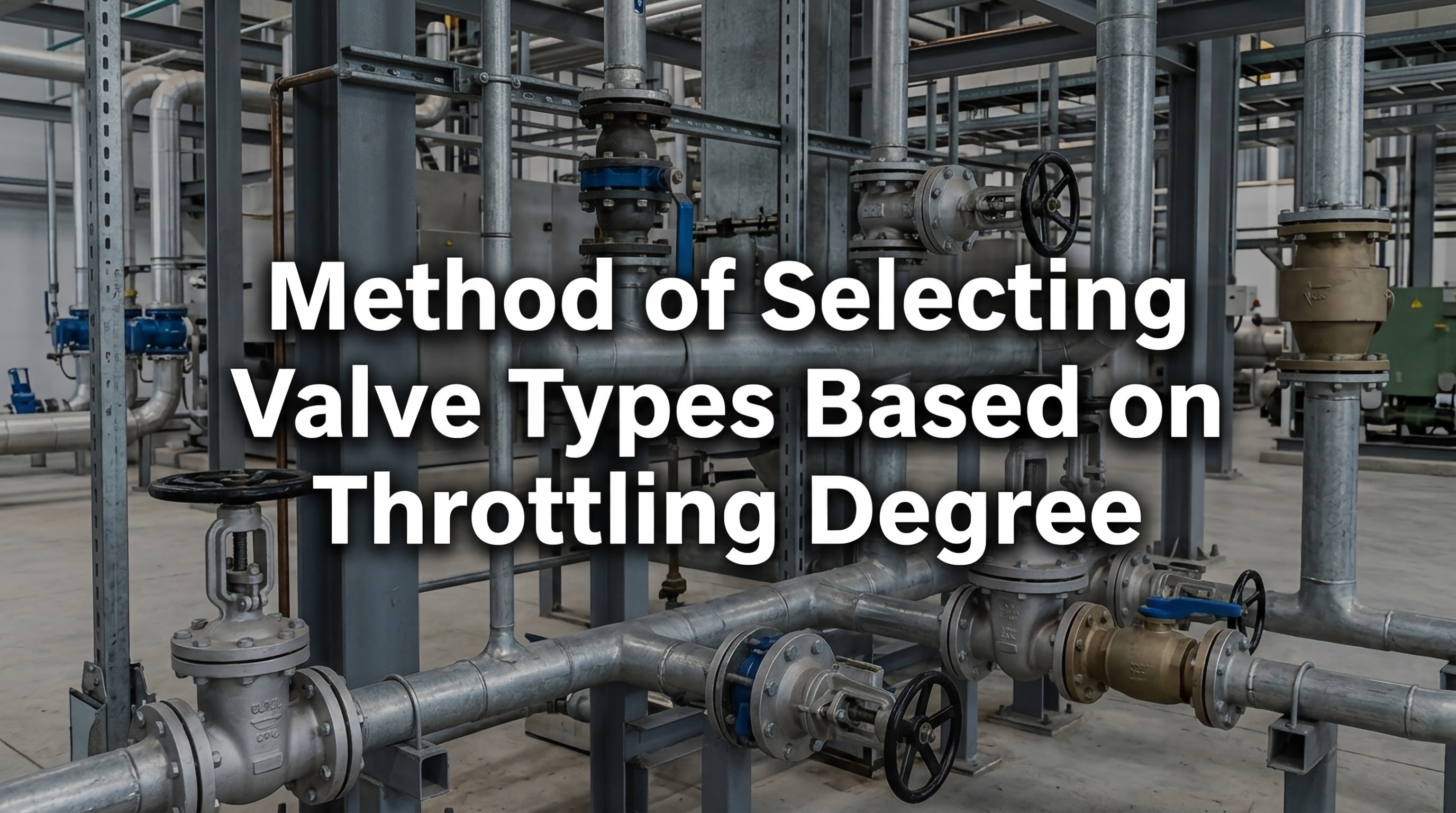 Method of Selecting Valve Types Based on Throttling Degree