
Control Valve | Fluid Regulation Solutions
author: ATHENA GROUP
2026-04-22
In industrial automation, control valves are critical final control elements bridging control systems and on-site processes, forming the backbone of efficient and stable industrial operations. These essential fluid control devices regulate the flow of fluids, as well as their pressure, temperature and level, to ensure that industrial processes are efficient, safe and stable. In sectors such as oil and gas, power generation, water treatment, and chemical manufacturing, they help to maintain stability, optimise performance, and support smart manufacturing initiatives.
A control valve is a mechanical device that adjusts fluid flow (gas, steam, water, corrosive media, slurry, oil) by changing the flow passage size based on controller signals. Unlike on-off valves, it enables precise, continuous flow modulation to maintain process parameters within tight tolerances.
A control valve is a mechanical device that adjusts fluid flow (gas, steam, water, corrosive media, slurry, oil) by changing the flow passage size based on controller signals. Unlike on-off valves, it enables precise, continuous flow modulation to maintain process parameters within tight tolerances.
Core Components of a Control Valve
A typical control valve has three key components working together for reliable regulation:
Valve Body: The main housing for fluid, with designs (globe, ball, butterfly, etc.) for different scenarios. Its internal trim (seat and plug) directly controls flow by adjusting the gap between them.
Actuator: The power source driving valve components, categorized by type: pneumatic (compressed air, explosion-proof), electric (motor-powered, high precision), and hydraulic (large force for high-pressure, large-diameter valves), selected by on-site needs.
Accessories: Supplementary devices enhancing functionality, including positioners (precision control), manual operators (emergency use), solenoid valves (quick shutdown), and limit switches (position feedback).
How Does a Control Valve Work?
Control valves operate via a closed-loop cycle of signal reception, mechanical action, and flow regulation:
Signal Input: The actuator receives an electrical (4–20 mA) or pneumatic (3–15 psi) signal from a controller, based on sensor feedback of process parameters.
Actuator Movement: The actuator converts signals into linear (globe valves) or rotary (ball/butterfly valves) motion to adjust valve opening.
Flow Regulation: Adjusting the plug-seat gap changes flow resistance, increasing/decreasing flow to return parameters to the set point.
Feedback Loop: A positioner ensures precise valve opening and provides feedback to the controller for accurate closed-loop control.
Common Types of Control Valves
Control valves are classified by structure, operation, and flow characteristics to suit industrial needs:
By Actuation Type: Pneumatic (cost-effective, explosion-proof), electric (high precision, smart integration), hydraulic (large output force).
By Stroke Characteristic: Linear (globe valves, precise control) and rotary (ball/butterfly valves, compact, large flow).
By Flow Characteristic: Linear (stable loads), equal percentage (fluctuating loads), quick-opening (on-off control).
By Actuation Type: Pneumatic (cost-effective, explosion-proof), electric (high precision, smart integration), hydraulic (large output force).
By Stroke Characteristic: Linear (globe valves, precise control) and rotary (ball/butterfly valves, compact, large flow).
By Flow Characteristic: Linear (stable loads), equal percentage (fluctuating loads), quick-opening (on-off control).
The Importance of Control Valves in Modern Industry
As industrial automation advances, control valves grow more critical—ensuring process stability, product quality, energy efficiency, and safety. Indispensable in power plants, refineries, water treatment, and manufacturing, choosing the right control valve improves efficiency, reduces downtime, and extends equipment life.
Athena Engineering srl offers high-performance pneumatic, electric, and hydraulic control valves for diverse industries. Our valves use advanced designs and reliable materials for harsh environments, helping customers achieve operational excellence and sustainability.

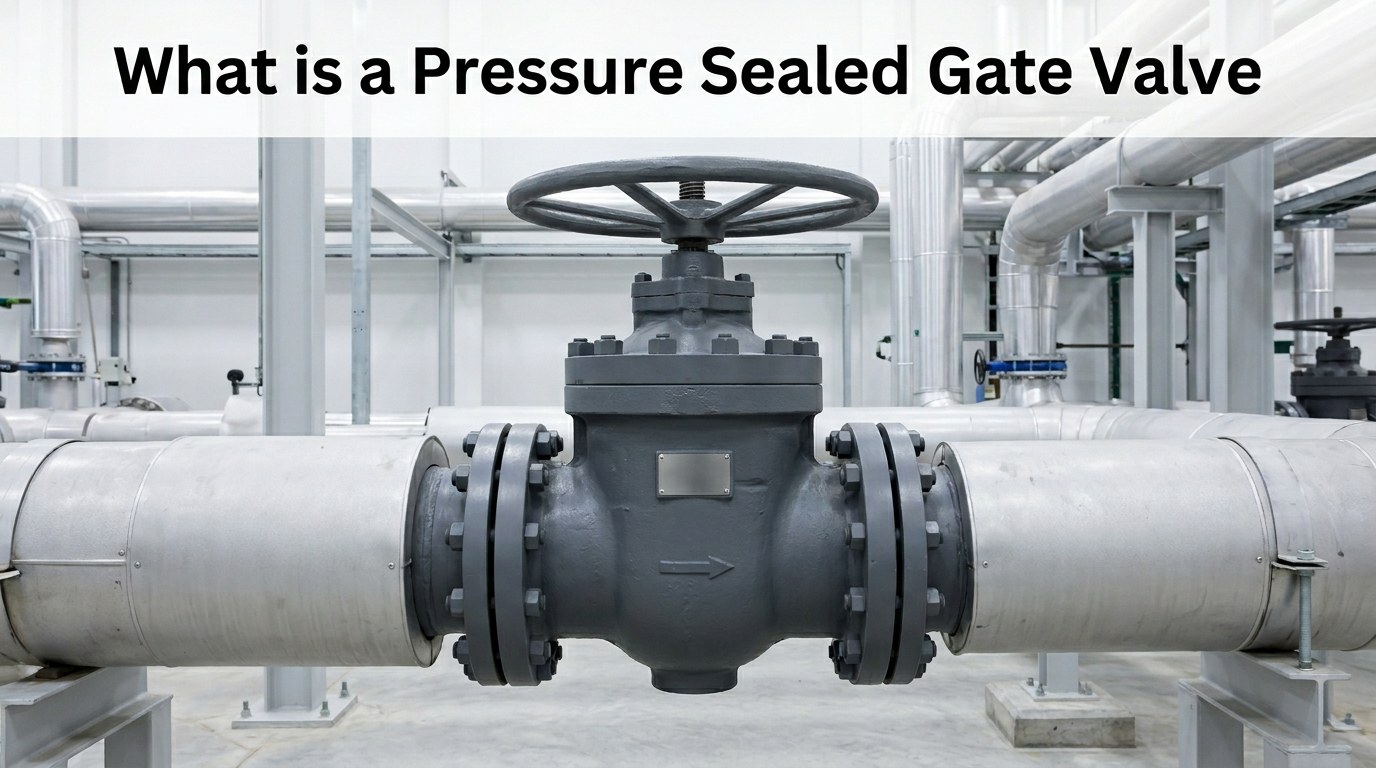 What is a Pressure Sealed Gate Valve
  Pump Selection Guide for Benzene-Containing Wastewater
  Seven pcs 36-inch gate valves passed the pressure test at one time
 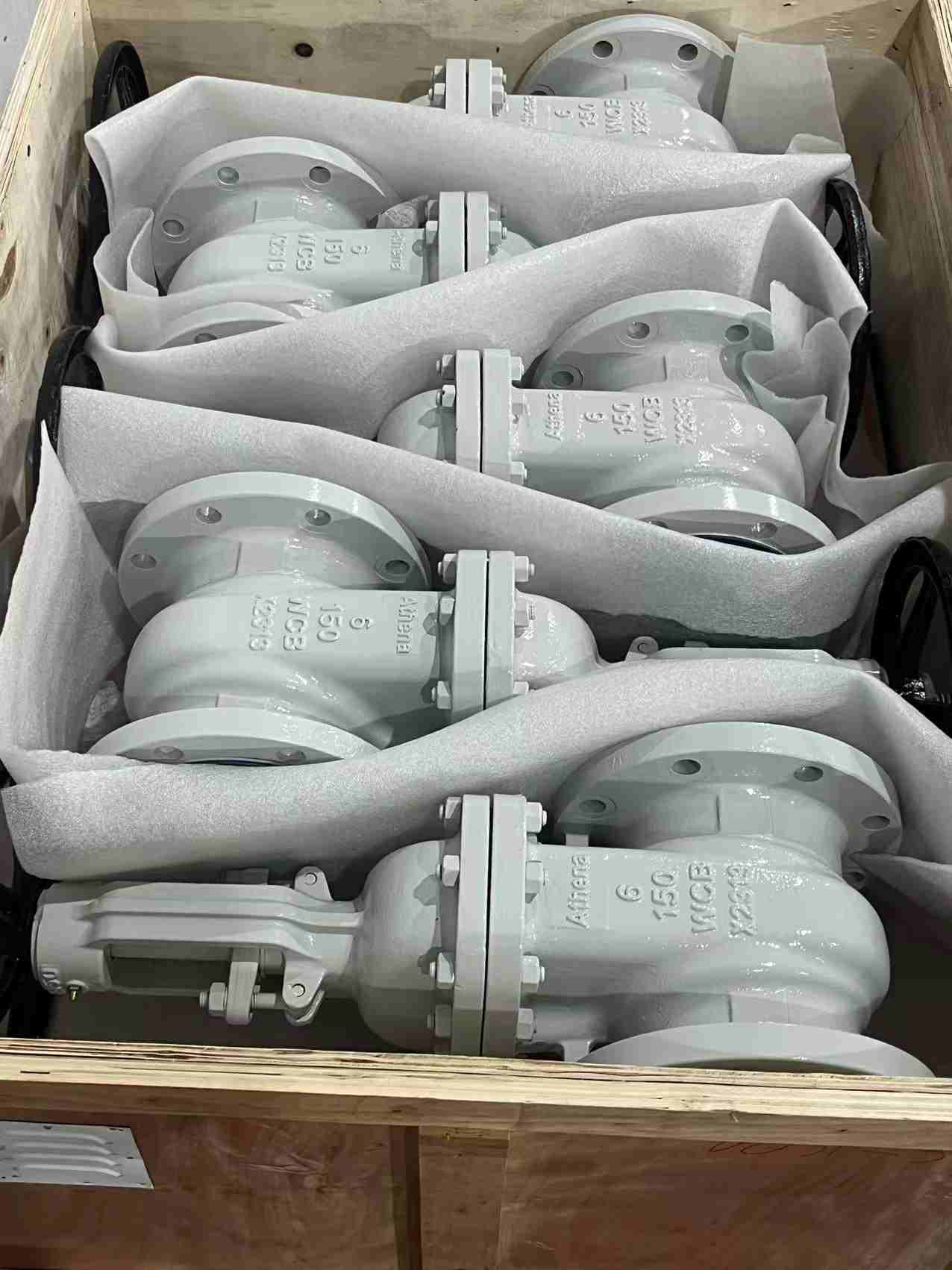 298 Valves Supplied: ATHENA Powers Kar Company's Project
  Project Name: MANUAL VALVE AREA 2 project in Nigeria
  Project Name: PETRONAS MOV BALL VALVE
 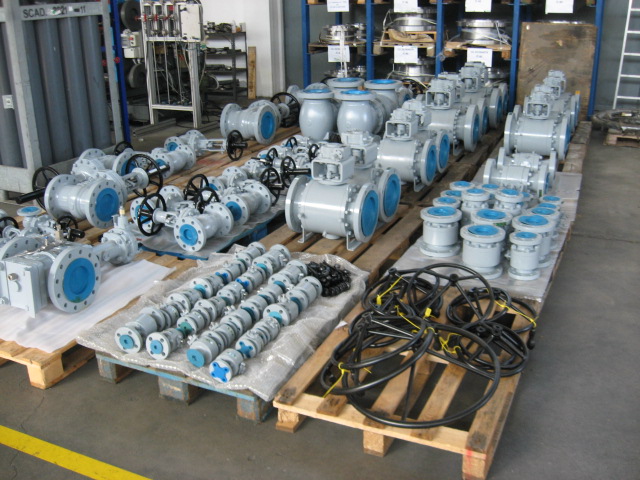 Project Name: Purchase of Spare Parts for Production Operation
 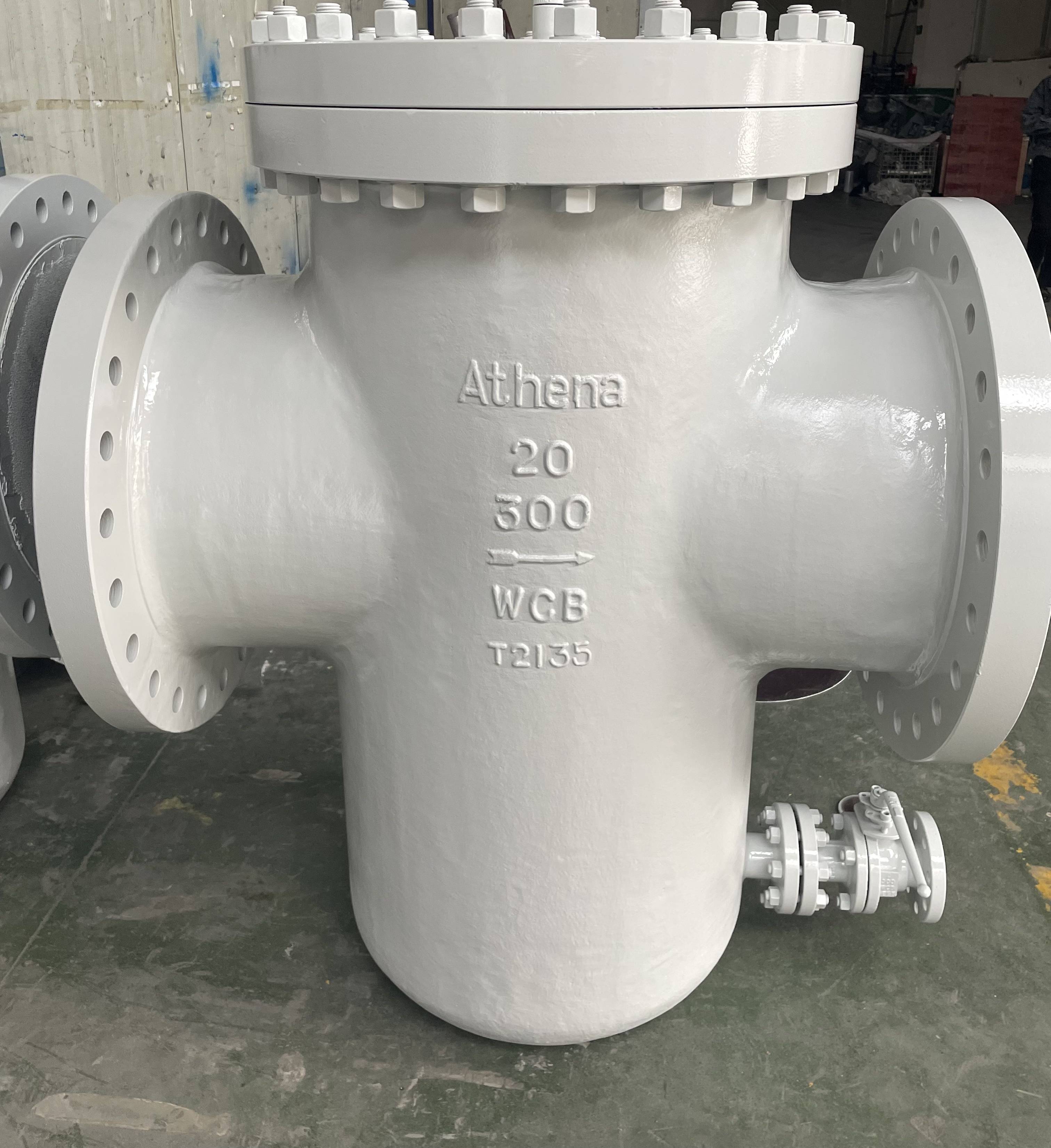 Project Name: FOR BASKET STRAINER HOUSING REPLACEMENT FOR SS2 AND SS4
 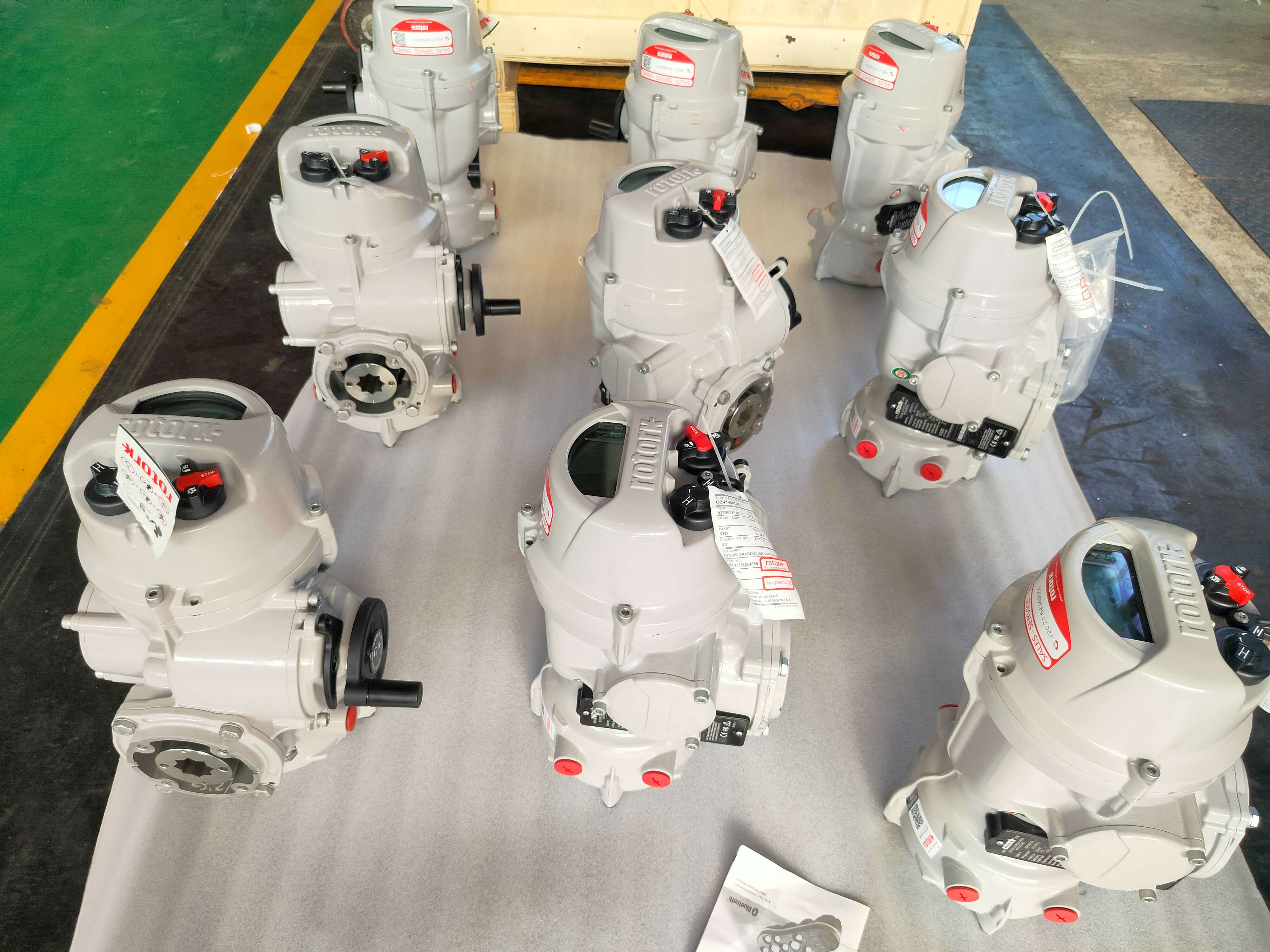 Project Name: VALVES FOR CCRD2
  Project Name: Provision of EPC Service for Water Injection
 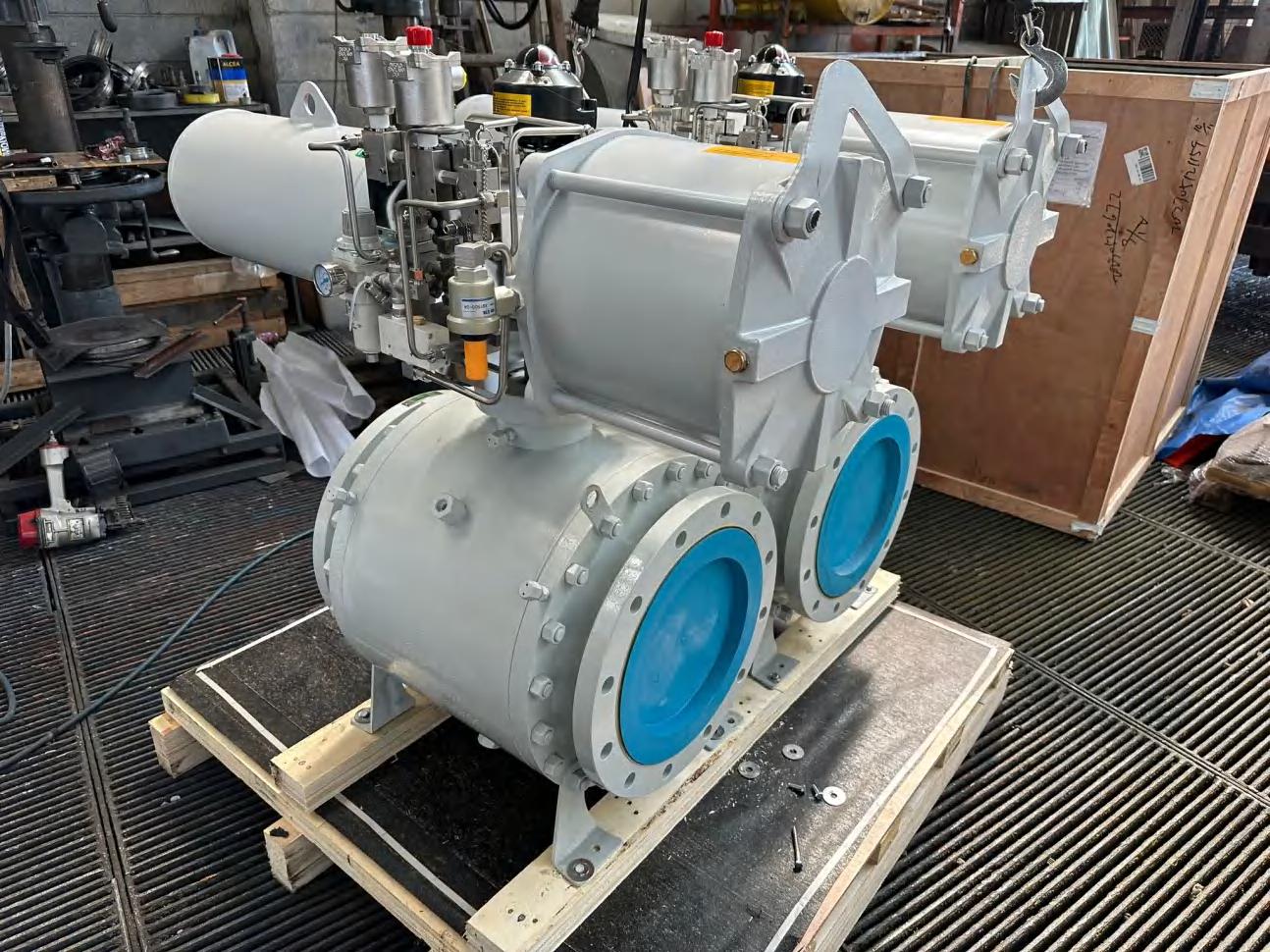 Project Name: Provision of EPC Service for Tank Farm of CPF
  Project Name: Provision of EPC Service for Tank Farm of CPF
 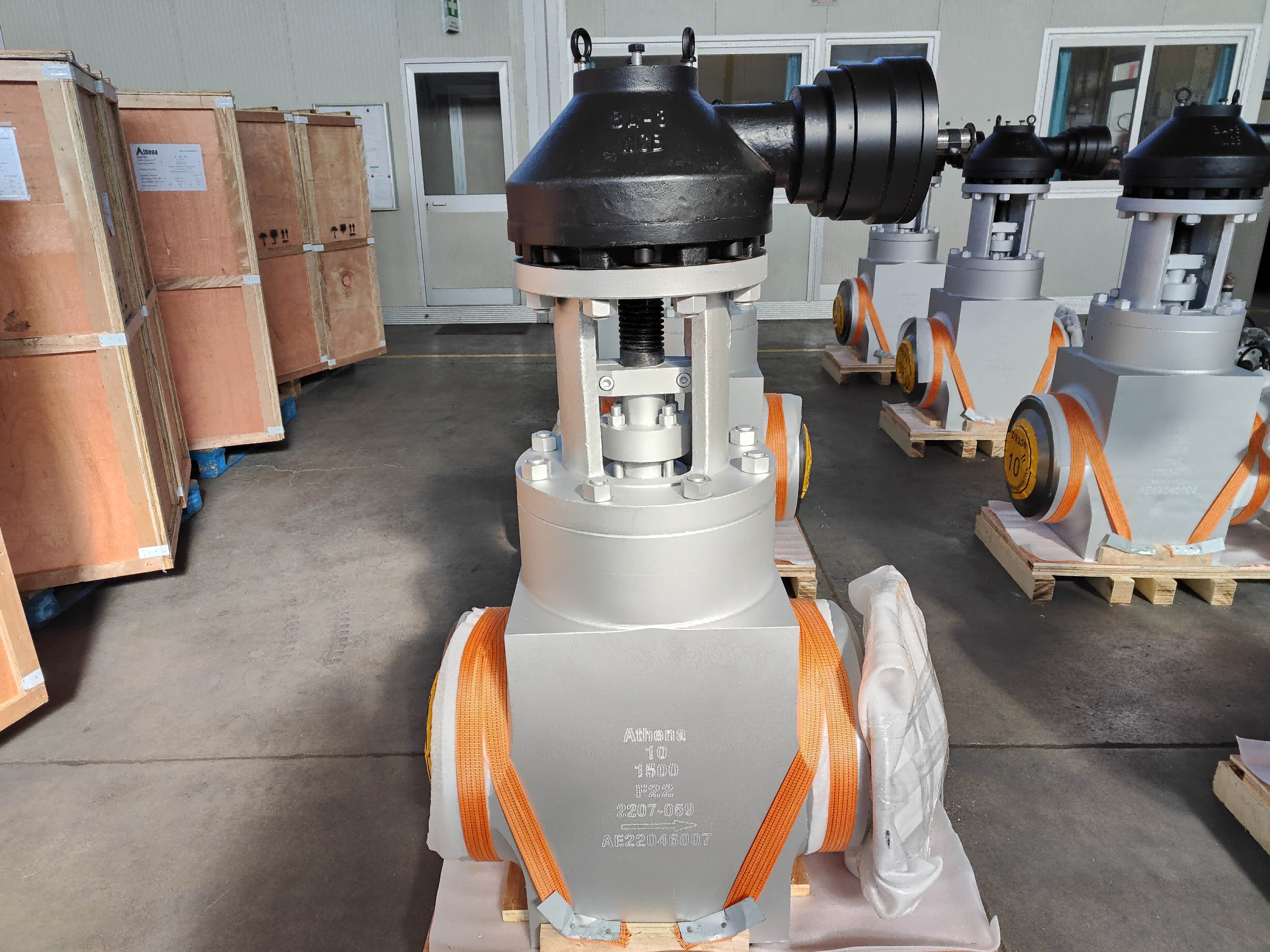 Project Name: Olefins III Plant Project