
Pump Selection Guide for Benzene-Containing Wastewater
author: ATHENA GROUP
2026-06-03

1. Applicable Standards
•ISO 28921-2: Industrial valves – Cryogenic service valve type test (-50℃~-196℃)
•JB/T 12003: Specification for Low-Temperature Testing Equipment (Immersion/Spray Cooling)
•EN 1074-3: Valves for water supply – Suitability for cryogenic service (LNG/-196℃)
•ASME B16.34: Valve pressure-temperature ratings
2. Test Purpose
•Verify valve shell structural stability and low-temperature brittleness resistance under extreme cold conditions.
•Check internal and external sealing performance, including visible leakage and helium leak tightness.
•Confirm full-stroke operating flexibility and torque consistency at low temperature without jamming.
•Evaluate the low-temperature adaptability of gaskets, packing and non-metallic sealing components.
3. Test Medium & Test Conditions
3.1 Cooling Medium
Liquid Nitrogen (LN₂, -196 °C) is adopted for cryogenic cooling. For medium low temperature tests (-50 °C ~ -120 °C), ethanol-liquid nitrogen mixture is acceptable. Water-containing medium is strictly prohibited to avoid freezing damage.
3.2 Test Pressure Medium
•Pre-test at room temperature: Clean dry Nitrogen (N₂)
•Low-temperature tightness test: High-purity Helium (He) for high-sensitivity leak detection
3.3 Pressure Settings
•Shell strength test pressure: 1.5 × PN
•Sealing tightness test pressure: 1.1 × PN
3.4 Temperature Control
Temperature tolerance: ±3 °C. Multiple thermocouples shall be installed on valve body, bonnet and stem to monitor real-time temperature. The temperature shall be stabilized for no less than 30 minutes (60 minutes for large-size valves) before formal testing.
4. Test Procedure
4.1 Pre-Test Preparation
Fully clean, dry and degrease the valve to eliminate internal moisture. Perform room temperature shell pressure test and seat tightness test as pre-qualification; only qualified valves can proceed to low-temperature test.
4.2 Cooling Process
Immerse the valve body into the cryogenic tank with liquid level higher than the body-bonnet joint surface. Control the cooling rate ≤ 5 °C/min to prevent thermal shock. Maintain stable test temperature until all monitored points reach the target temperature.
4.3 Low-Temperature Pressure & Leakage Test
•Shell strength test: Hold 1.5×PN pressure for 5 minutes. No permanent deformation, crack or damage is allowed.
•Internal seat tightness test: Hold 1.1×PN helium pressure for 5–15 minutes. No visible leakage.
•External fugitive emission test: Stem packing and flange joint helium leak rate shall meet standard requirements.
4.4 Low-Temperature Operation Test
Perform no less than 5 full open-close stroke cycles at stable low temperature. Record operating torque and stroke condition. The valve shall operate smoothly without jamming, abnormal noise or stroke deviation.
4.5 Post-Test Recheck
After natural warming to ambient temperature, repeat the shell and seat tightness test. All performance indexes shall recover to normal level without permanent performance degradation.
5. Acceptance Criteria
•No visible leakage through valve seat, body, bonnet and connection joints during and after low-temperature test.
•Helium leak rate meets standard allowable value, no fugitive emission failure.
•Full stroke operation is flexible and consistent; torque increment is within allowable range.
•No cracks, deformation, frost heave damage or structural failure on valve body and components.
•Sealing materials and packing show no brittle fracture, hardening or failure after low temperature cycling.
6. Test Report Contents
The final test report shall include valve specification, test standard, test temperature & pressure parameters, temperature curve record, leak detection data, operating torque data, visual inspection result and final test conclusion.
Athena Valve specializes in the R&D and manufacturing of cryogenic valves. All finished products undergo full-range testing in strict compliance with the aforementioned cryogenic test standards prior to delivery. Backed by a well-equipped cryogenic performance laboratory, the company rigorously controls the quality of raw materials and finished goods. Its products are applicable to various ultra-low-temperature working conditions including LNG, liquid nitrogen and cryogenic chemical processes. For cryogenic valve selection guides, technical documents and customized services, please visit the official website: www.athenavalve.com for detailed information.

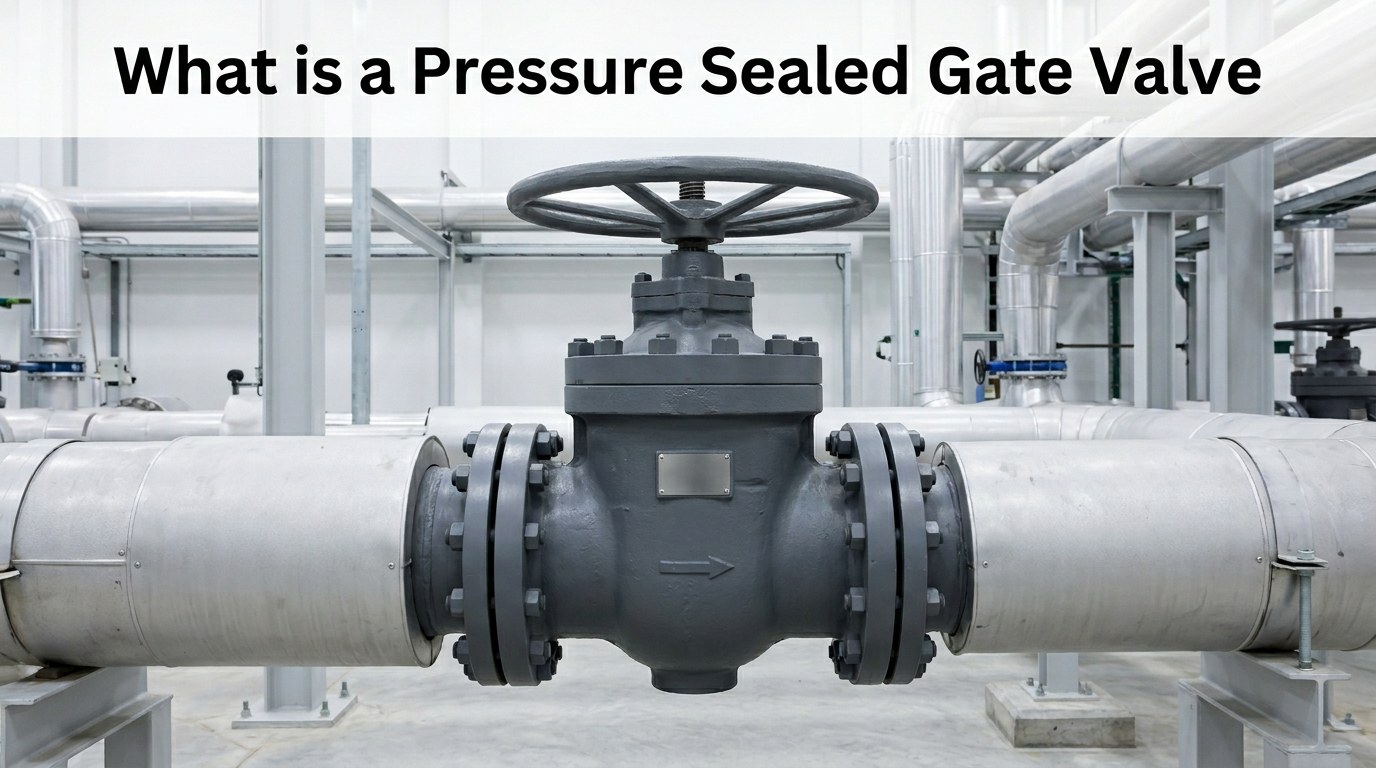 What is a Pressure Sealed Gate Valve
 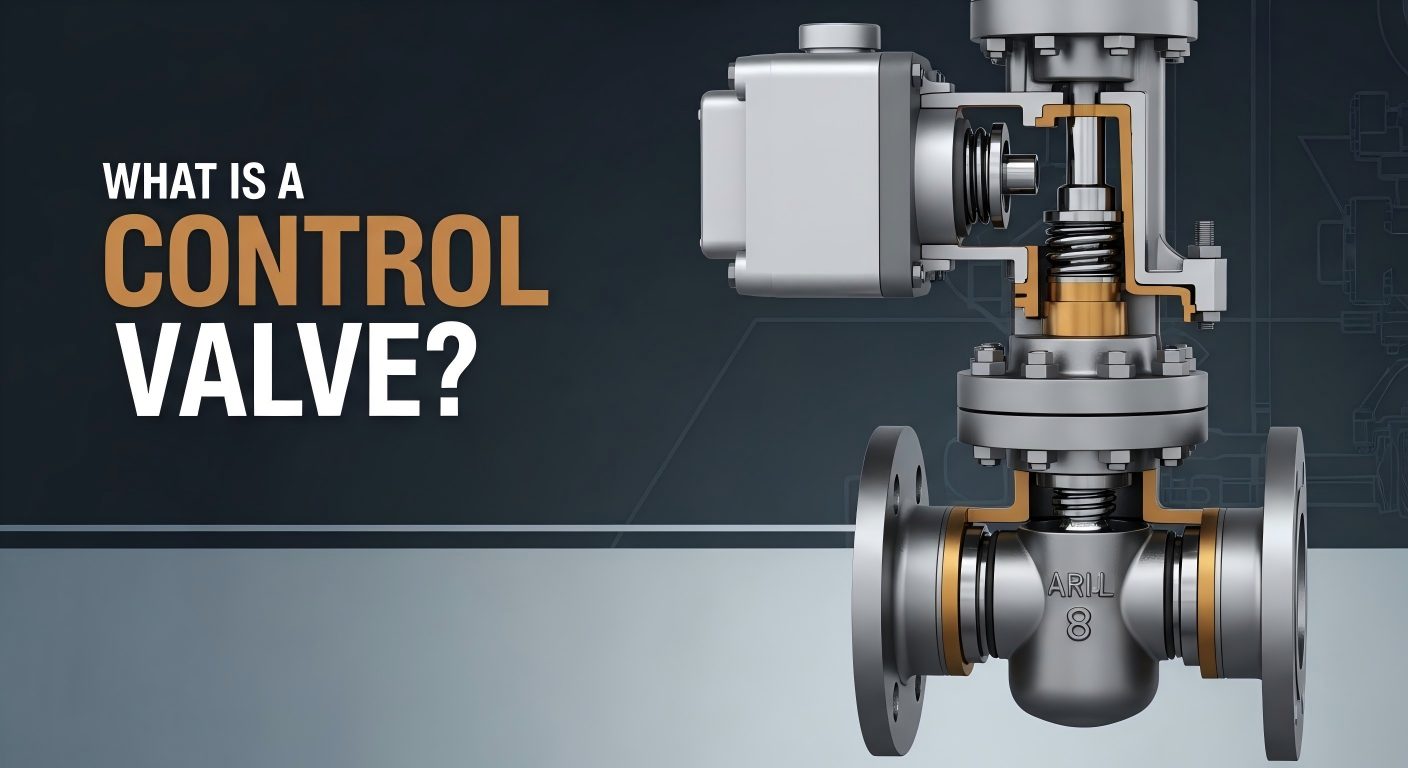 Control Valve | Fluid Regulation Solutions
  Seven pcs 36-inch gate valves passed the pressure test at one time
 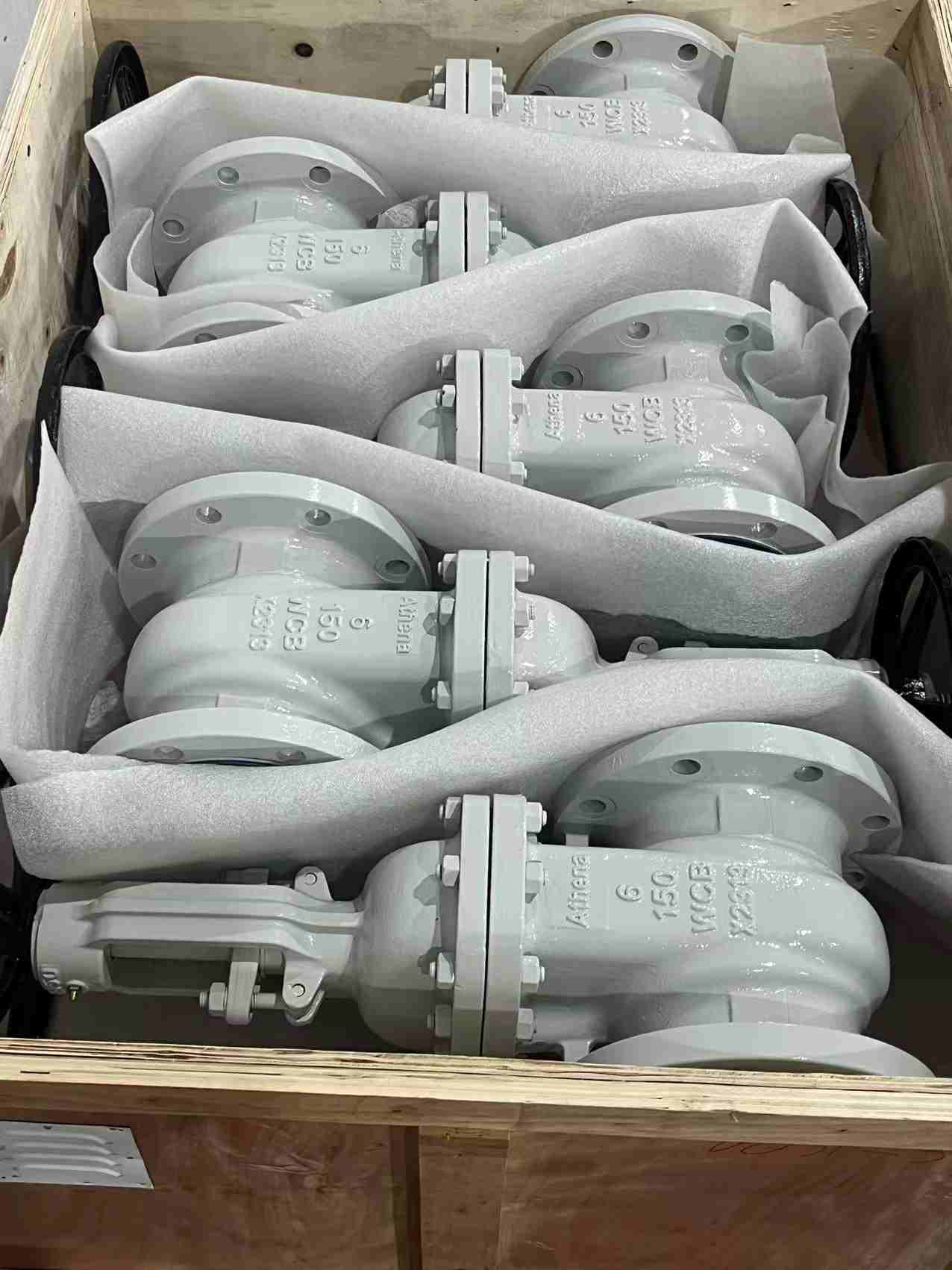 298 Valves Supplied: ATHENA Powers Kar Company's Project
  Project Name: MANUAL VALVE AREA 2 project in Nigeria
  Project Name: PETRONAS MOV BALL VALVE
 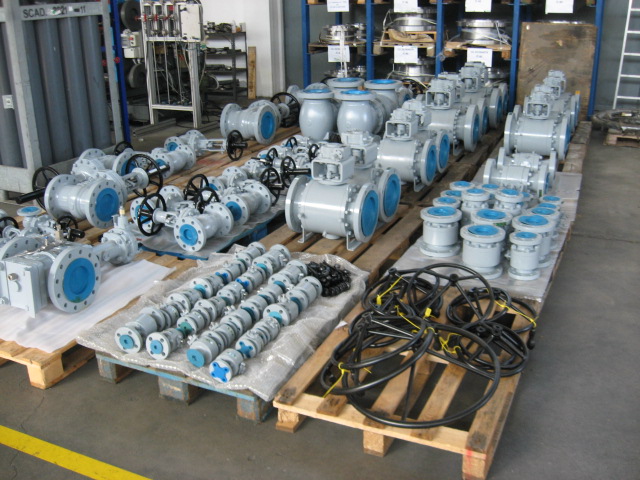 Project Name: Purchase of Spare Parts for Production Operation
 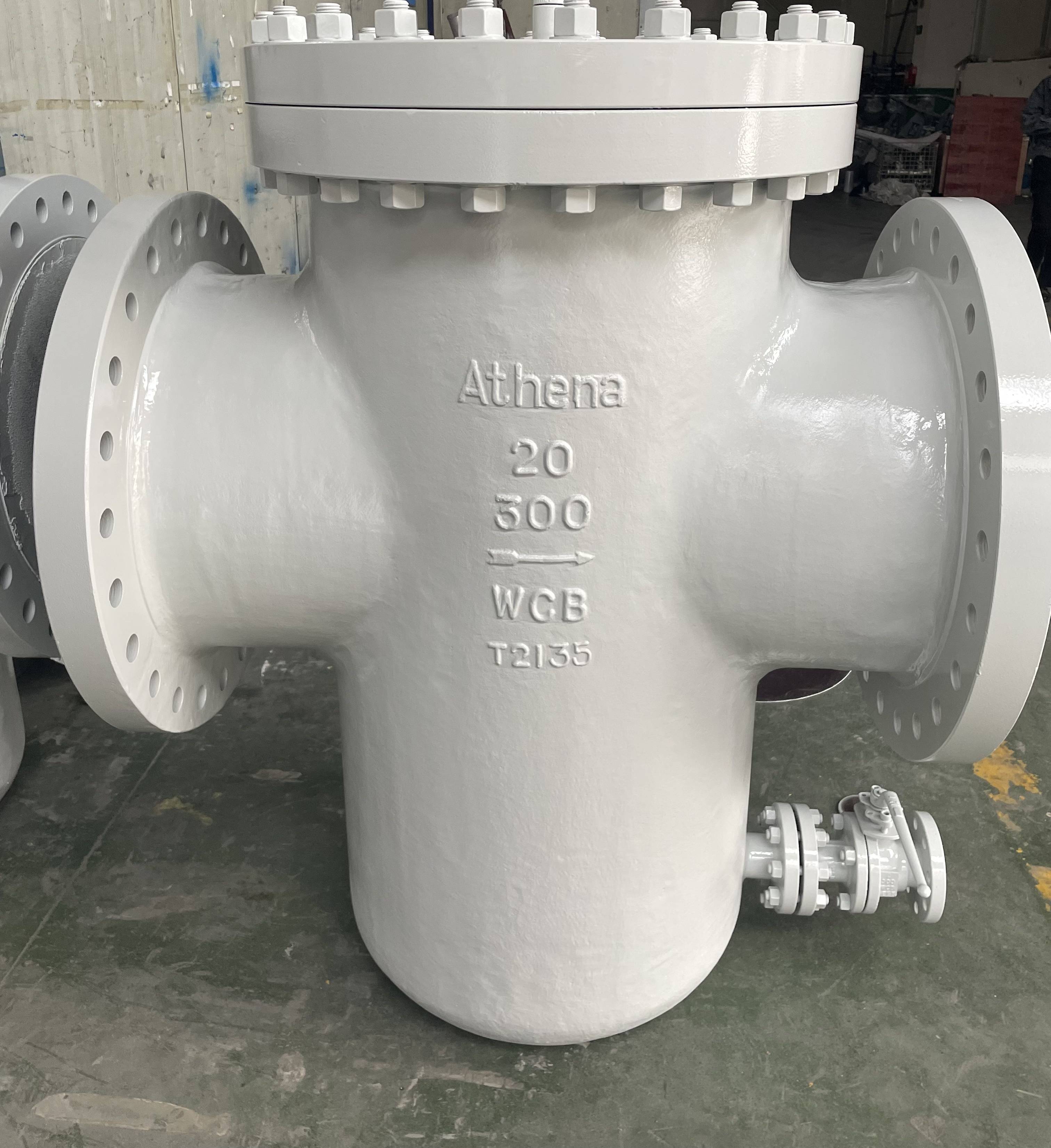 Project Name: FOR BASKET STRAINER HOUSING REPLACEMENT FOR SS2 AND SS4
 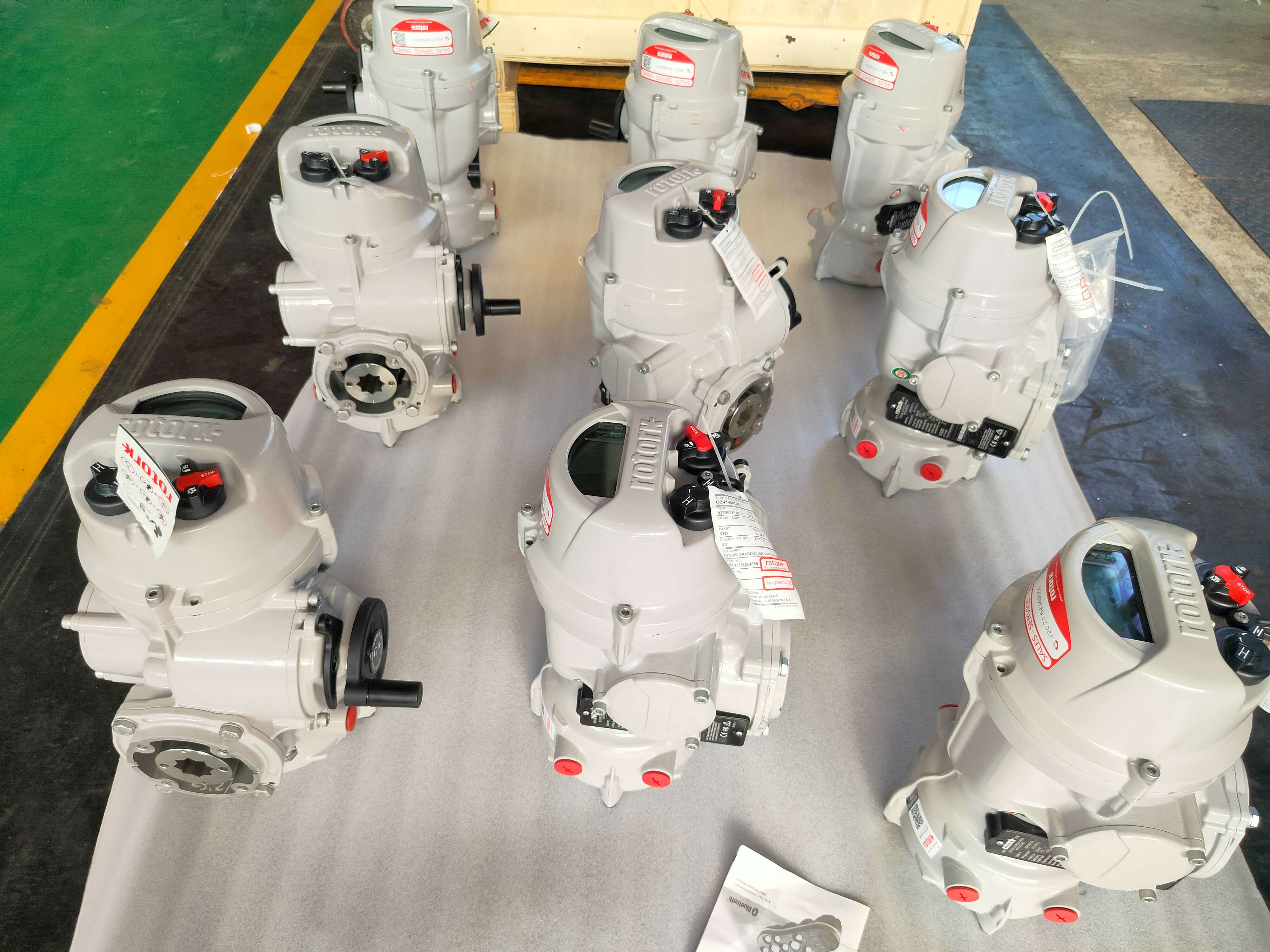 Project Name: VALVES FOR CCRD2
  Project Name: Provision of EPC Service for Water Injection
 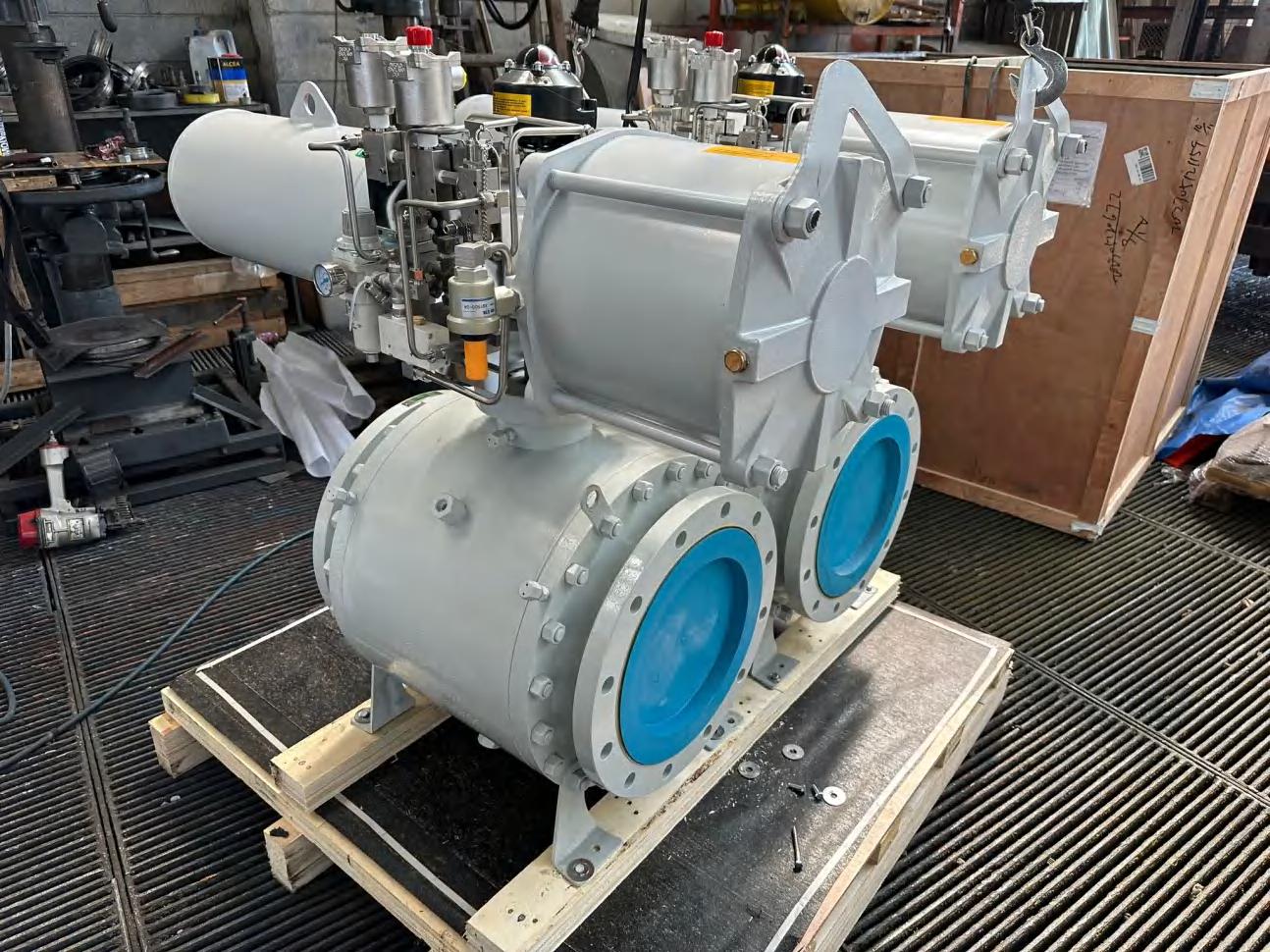 Project Name: Provision of EPC Service for Tank Farm of CPF
  Project Name: Provision of EPC Service for Tank Farm of CPF
 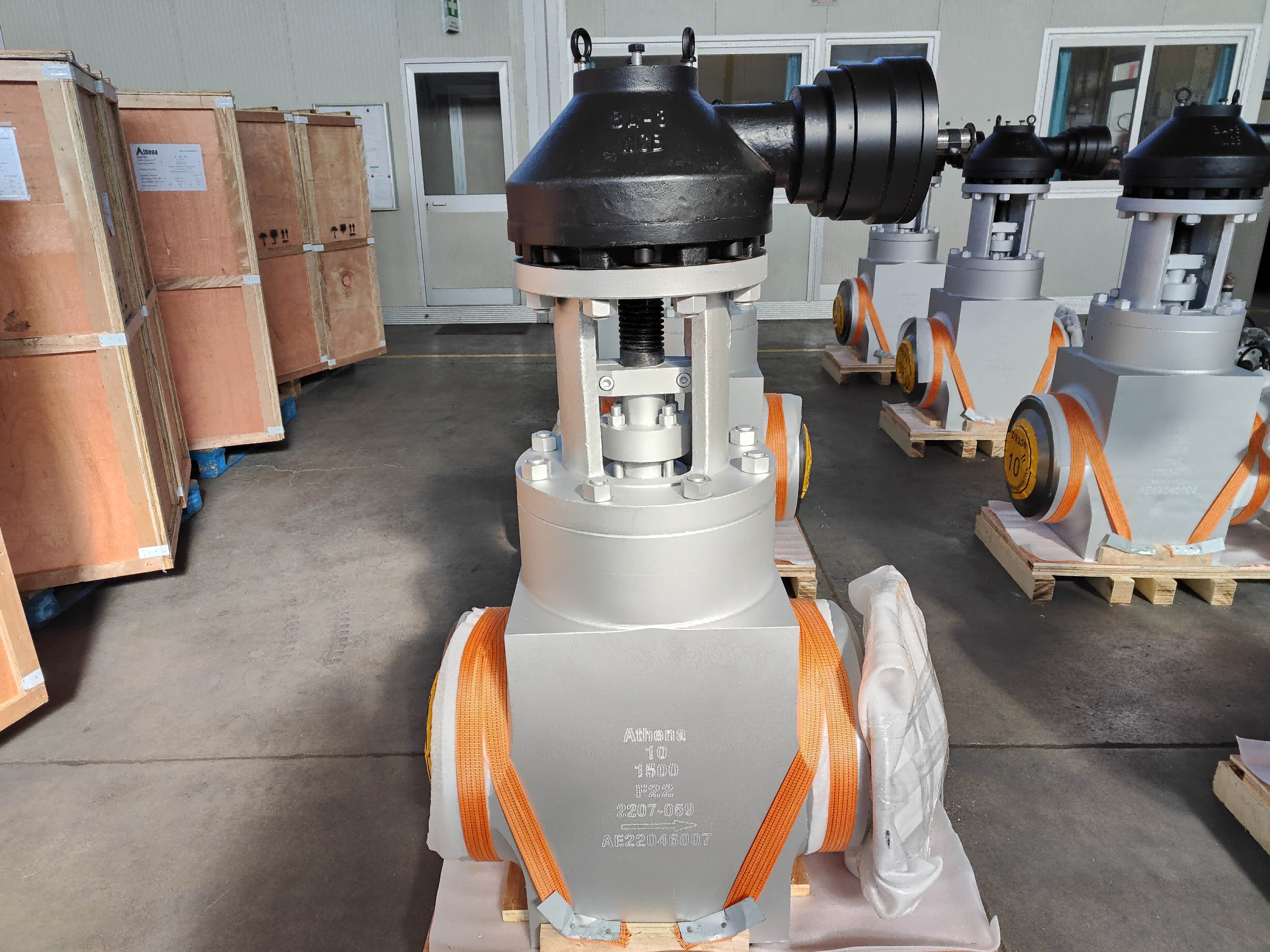 Project Name: Olefins III Plant Project